Pizza Stone vs Pizza Pan: Which Should You Choose? (November 2026)
Choose a pizza pan for easy handling and cleanup, or a pizza stone for a firmer, more oven-style crust. Your best choice depends on crust texture, launching comfort, cooking equipment and care.
On this page (8 sections)
- Pizza stone vs pizza pan: what is the main difference?
- Which surface is easier for beginners?
- Which is better for crispy pizza?
- Which pizza stone should you choose?
- Which pizza pan should you choose?
- Is a pizza stone or pizza pan better for a grill?
- Which option is easier to clean?
- Pizza stone vs pizza pan: which should you buy?
Choose a pizza pan for easy handling and cleanup, or a pizza stone for a firmer, more oven-style crust. The choice comes down to crust texture, convenience, your equipment and care after baking.
A pizza pan supports the dough from the start and is usually simpler to load. A pizza stone needs more careful launching, but its heated cordierite surface is designed to bake the base from underneath.
This guide compares 4 options for home cooks. Two are GoodCook perforated pans and two are Hans Grill rectangular cordierite stones with peels included.
The pans suit people who shape dough in place and move the whole tray into the oven. The stones suit people who build a pizza on a peel and launch it onto a hot surface.
Crust texture is only part of the decision. Serving, storage, preheating and cleaning will affect how often you use the surface you buy.
A pan is handy for frozen pizza and reheating leftover slices. A stone can do those jobs too, but it asks for more setup and a gentler wash.
We compared materials, shapes, included tools and care instructions so you can match the surface to your kitchen. The GoodCook pans use nonstick carbon steel, while the Hans Grill stones use porous cordierite.
Size affects what fits in your oven or grill. The pans are round and about 16 inches across, while the stones are rectangular at about 15 by 12 inches.
Included tools also change the routine. The stone sets include a peel for moving pizza, while the pans rely on their tray, cutting guides and raised feet.
Care differs in a way you should notice before choosing. The GoodCook pans are dishwasher safe, while the Hans Grill stones call for hand washing with warm water only.
If you bake often, cleaning may shape your choice as much as the crust. If you bake less often, a stone may feel like an easy trade for a firmer base.
Our score weighs specs and features against what shoppers usually want. Your cooking habits should weigh more than any single score.
The sections ahead break down crust, beginner ease, grill use and cleanup for each surface. Use them to see which routine fits your home and storage space.
 Best for easy serving
GoodCook AirPerfect Pizza Pan with Cutting Guides
 Best for classic stone baking
Hans Grill Rectangular Pizza Stone with Peel
Pizza stone vs pizza pan: what is the main difference?
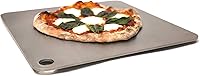
A pizza stone gives you a porous cordierite baking surface, while a pizza pan gives you a shaped carbon steel tray. For details about another baking surface, read what a pizza steel is made of.
That difference affects how the dough enters the oven, how moisture moves away and how much cleanup follows.
The Hans Grill stones use cordierite and are made for oven and BBQ grilling. The GoodCook pans use perforated carbon steel, with holes intended to reduce moisture while baking.
A pan holds the pizza in place while you move it. A stone usually works best with a peel, especially when you launch raw dough rather than placing a prepared pizza into a tray.
How does a pizza stone change the crust?
A stone transfers stored heat into the dough from below and supports a firmer base. The result depends on dough thickness, toppings, preheating and cooking temperature, so the stone alone doesn't guarantee one exact texture.
Porous cordierite is designed to absorb heat during preheating. The Hans Grill stones are both heat resistant up to 1112°F, giving you a broad temperature range for oven or BBQ use.
A stone can suit thin dough, artisan bread, calzone and pastry as well as pizza. It also gives you a flat surface that feels closer to the setup used in a dedicated pizza oven.
For more detail on choosing among cordierite, steel and other surfaces, see our guide to the best pizza stone material.
How does a pizza pan change the crust?
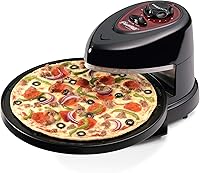
A perforated pan helps moisture escape while keeping the pizza easy to move. The holes in the GoodCook AirPerfect pans are designed to reduce moisture, while the carbon steel body supports the pizza during baking.
A pan is useful when you don't want to slide raw dough from a peel. You can shape the dough on the tray, add toppings and move the complete pan into the oven.
The nonstick coating also supports release after baking. Cutting guides on the GoodCook pans help you portion slices evenly without transferring the pizza to a separate board first.
Which surface is easier for beginners?
A pizza pan is easier for most first-time cooks because it supports the dough and needs less launch practice. A stone becomes easier after you learn to manage flour, dough moisture and peel movement.
The GoodCook 16-inch pan is a straightforward choice for homemade pizza, frozen pizza and leftover slices. Its round shape and cutting guides keep the process familiar from loading through serving.
The GoodCook 2-pack follows the same approach, with 2 pans for households that bake multiple pizzas or want one pan ready while another is in use. Both pans have molded feet that keep the hot pa raised off the countertop.
A stone requires a clear launch path. Build the pizza on a peel, use only enough flour to prevent sticking and check that the dough can move before you approach the hot surface.
If you are still deciding between a baking surface and a complete outdoor cooker, our outdoor pizza oven guide explains what a dedicated oven changes. For setup and cooking steps, see how to use an outdoor propane pizza oven.
Which is better for crispy pizza?
Choose a stone when a firm, stone-baked base is your main goal, and choose a perforated pan when you want moisture reduction with easier handling. Both can support a crisp crust, but the cooking process is different.
The Hans Grill cordierite stones absorb heat and cook the base from underneath. Preheating matters because a cold stone cannot provide the same stored heat as one brought gradually to cooking temperature.
The GoodCook pans use perforations to reduce moisture around the base. Their nonstick carbon steel construction also helps release the baked pizza without the sticking concerns that can come with raw dough on a stone.
Toppings matter just as much as the surface. Heavy sauce, wet vegetables and excess cheese can keep the center soft, even when the stone or pan is suitable.
For another heat-transfer comparison, read our pizza stone vs pizza steel guide. Steel responds differently from stone, so it may suit a reader who wants a faster-heating metal surface.
Which pizza stone should you choose?
Choose the Hans Grill Rectangular Pizza Stone with Peel for a simple stone-and-wood-peel set, or choose the Hans Grill PRO XL for more peel control. Both stones are rectangular cordierite surfaces for oven baking and BBQ grilling.
The Hans Grill Rectangular Pizza Stone measures 15 x 12 inches and includes a wooden peel. It is rated heat resistant to 1112°F and can also be used for bread, pastry, calzone and frozen pizza.
The Hans Grill PRO XL is also a 15 x 12-inch rectangular cordierite stone with heat resistance up to 1112°F. Its included perforated metal peel is designed to let excess flour fall away before launching and help steam escape after baking.
The PRO XL may suit cooks who want a more structured peel setup. The standard set may suit you if a wooden peel covers your needs and you want a basic stone-and-peel combination.
Both stones can stain during normal pizza making. Those marks don't affect the stone's function, but the care routine is different from a nonstick pan: hand wash with warm water only and let the stone cool before cleaning.
Our pizza stone vs pizza oven comparison can help if you are unsure whether a separate stone is enough for your cooking routine.
Which pizza pan should you choose?
Choose the GoodCook 16-inch pan for one large pan with cutting guides, or choose the GoodCook 2-pack when you want 2 matching baking surfaces. Both use perforated nonstick carbon steel and are designed for homemade, frozen and leftover pizza.
The GoodCook AirPerfect Pizza Pan with Cutting Guides has a 16-inch size, a gray carbon steel body and a nonstick coating. Its perforated edge is designed to reduce moisture, while cutting guides help you serve more even slices.
The GoodCook AirPerfect Nonstick 16-inch Pizza Pan set includes 2 round pans with 15.75-inch baking surfaces. The pans have perforations, cutting guides and molded feet that keep hot pans off the countertop.
The single pan takes less storage space than a 2-pack. The set gives you more flexibility, but you need a place to store both pans without bending or scratching the nonstick surfaces.
Both GoodCook options are dishwasher safe. Hand washing is recommended for longer-lasting results, so use the care method that best protects the coating in your kitchen.
Is a pizza stone or pizza pan better for a grill?
A stone is the more natural choice for BBQ grilling when you want a heat-storing surface, while a pan may be easier for controlled loading. Before using either option outdoors, check your grill layout, temperature and the product's care instructions.
The Hans Grill stones are made for oven and BBQ grilling and are heat resistant up to 1112°F. Place the stone into a suitable grill setup and allow it to heat according to your cooking method.
The GoodCook pans are oven safe, but the supplied product information does not guarantee a specific grill temperature limit. Don't assume an oven-safe pan is suitable for direct flame or every grill configuration.
Our guide answers Can You Use a Pizza Stone on a Grill? with the setup and heat questions to check before cooking outdoors. Measure the available cooking area too, since both Hans Grill stones are about 15 x 12 inches.
A grill can also create hot spots. Use indirect heat when appropriate for your grill and keep the stone or pan stable while you load and remove the pizza.
Which option is easier to clean?
A nonstick pan is easier to clean, while a stone needs gentler care and may keep visible stains. This difference may matter more than crust texture if you bake often.
The GoodCook pans are dishwasher safe and have nonstick coatings that help with release. Remove loose food first and avoid tools that can damage the coating.
The Hans Grill stones require hand washing with warm water only. Let the stone cool completely before cleaning, since a sudden temperature change can damage a hot stone.
Don't use soap or soak a pizza stone unless its care instructions allow it. Scrape away loose crumbs with a suitable tool and accept that normal staining is part of the stone's appearance.
If you prefer a different sturdy baking surface, our pizza stone vs cast iron comparison covers another way to bake pizza without choosing between cordierite and a thin pan.
Pizza stone vs pizza pan: which should you buy?
Pick a pizza pan if you want simple loading, easy release and faster cleanup, or a pizza stone if you want a firm base and do not mind preheating, peel work and hand washing. The GoodCook AirPerfect Pizza Pan with Cutting Guides is the strongest fit for one large pan, while the GoodCook 2-pack suits multiple pizzas or households that want a spare.
Choose the Hans Grill Rectangular Pizza Stone with Peel for the wooden-peel set, or the Hans Grill PRO XL for its perforated metal peel.
Your final choice should match the way you cook. The surface you use most should fit your cleanup habits, available storage and preferred crust.
Go with the single GoodCook pan if you usually bake one pizza at a time. It is a round 16-inch pan with a perforated edge, cutting guides and molded feet to keep the hot tray raised off the countertop.
Go with the GoodCook 2-pack if you bake for more people or want a second pan ready for frozen pizza or reheating slices. Both pans are 15.75 inches across and use nonstick carbon steel for easier release.
Go with the Hans Grill Rectangular Pizza Stone with Peel if you want a simple stone and wooden peel set. The stone is 15 by 12 inches, made of cordierite and rated for heat up to 1112 degrees Fahrenheit.
Go with the Hans Grill PRO XL if peel control matters more to you. Its perforated metal peel lets excess flour fall away before launching and helps steam escape from the underside after baking.
Both Hans Grill stones are made for oven baking and BBQ grilling. That makes them a fit for cooks who move between indoor and outdoor pizza nights with one rectangular surface.
Both stones need hand washing with warm water only, and staining is normal during pizza making. Those stains do not affect function, but they mean the surface will look used over time.
The GoodCook pans are dishwasher safe, though hand washing is recommended for longer-lasting results. That care choice is simpler for many households, especially after a busy pizza night.
Storage is worth a final check before you buy. A single pan takes less room than a 2-pack, while a 15 by 12-inch stone and its peel need flat, stable space.
Choose the surface you will reach for without dread. The best pizza surface is the one that fits your crust goal, your equipment and the cleanup you are willing to do each time.
Frequently asked questions
Is a pizza stone better than a pizza pan?
A pizza stone is better when you want a firm baking surface and a crust with more stone-baked character. A pizza pan is better for easy handling, simple release and faster cleanup.
Choose based on your preferred crust and how much care you want after baking.
Does pizza cook faster on a stone or pan?
Cooking time depends on the oven or grill, temperature, dough and toppings, not only the surface. A stone stores heat and a perforated pan allows moisture to escape, but follow the recipe and watch the crust instead of assuming one surface always cooks faster.
Can you use a pizza pan on a grill?
You can use a pizza pan on a grill only when the pan's material and the grill setup are suitable. Keep the pan away from direct contact with flames unless its instructions allow it, and check the temperature limits for the exact pan before cooking outdoors.
Are pizza stones hard to clean?
Pizza stones need more careful cleaning than nonstick pans. Let the stone cool fully, remove loose crumbs and follow its care instructions.
The Hans Grill stones here use hand washing with warm water only, while the GoodCook pans are dishwasher safe.
Should you use a peel with a pizza stone?
A peel makes it easier to move dough onto and off a pizza stone. The Hans Grill rectangular stone includes a wooden peel, and the PRO XL includes a perforated metal peel, so either set helps with launching compared with using a stone alone.