Pizza Stone vs Cast Iron: Which Should You Choose? (November 2026)
Choose a pizza stone for a lighter, drier crust or cast iron for a darker, more deeply browned base. Your oven or grill setup, lifting comfort and care routine should decide the better surface.
On this page (9 sections)
- Pizza stone vs cast iron: which makes the better crust?
- Which surface fits your oven or grill?
- What is easier to launch and remove?
- Which pizza surface is easier to care for?
- How should you preheat pizza stone or cast iron?
- Which option gives you more than pizza?
- Which products fit each pizza method?
- Pizza stone vs pizza oven: which should you buy?
- Which should you choose?
Choose a pizza stone for a lighter, drier crust or cast iron for a darker, more deeply browned base. The pizza stone vs cast iron decision depends on the crust you want, the space in your oven or grill and how much care you want after baking.
A pizza stone gives you a wide, flat baking surface designed for pizza and other baked foods. Cast iron gives you a heat-holding pan that can also sear, fry, roast, bake and cook over a campfire.
This comparison looks at crust results, surface shape, heat behavior, handling and care. We checked the listed materials, sizes, included tools and cooking uses for these four options.
 Best for flexible cooking
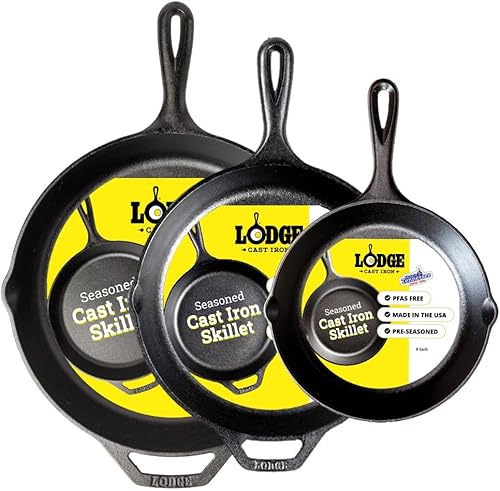
Lodge Pre-Seasoned Cast Iron Skillet 3-Piece Set
 Best for one-pan pizza
Lodge Pre-Seasoned Cast Iron Skillet with Silicone Handle Holder, 12 Inches
Pizza stone vs cast iron: which makes the better crust?
Choose cordierite for a dry, even pizza base, or cast iron for a darker and more deeply browned bottom. The surface changes how the dough meets the heat, but it does not remove the need to set up and preheat carefully.
The Hans Grill stones use porous cordierite. The material is intended for pizza, bread, pastry and calzone, and both Hans Grill options are heat resistant to 1112 °F.
Cast iron retains heat and supports browning across the pan. The Lodge skillets are pre-seasoned with vegetable oil, so the cooking surface arrives ready to use and can develop its finish with regular cooking.
A stone usually feels more like a flat baking deck. A skillet gives the dough a defined pan shape, which can suit thicker or pan-style pizza.
Pizza stone vs cast iron for pizza texture
Pick the stone when you want the pizza base to stay closer to a traditional baked crust. The cordierite surface absorbs heat and supports baking from underneath.
The Hans Grill Rectangular Pizza Stone measures about 14.96 x 11.8 inches across its surface and is 0.59 inches thick. The Hans Grill PRO XL measures 14.9 x 11.8 inches and is 0.6 inches thick.
The Lodge 12 in skillet gives you a smaller round cooking area. Its sides can help contain dough and toppings, but they also limit the shape and size of the pizza you can make.
If you like a thicker center, a cast iron pan may suit your method. If you prefer a broad rectangular surface for larger or differently shaped dough, a stone gives you more room.
Which surface fits your oven or grill?
Measure your cooking space before choosing either surface. A rectangular stone can use more of the available rack area, while a skillet needs room for its handle and safe lifting.
The Hans Grill stones are rectangular and intended for oven and BBQ grilling. Their listed surface is about 15 x 12 inches, so check your rack or grill width before ordering.
The Lodge 3-piece set includes 8, 10.25 and 12 inch skillets. That gives you three round sizes for different meals, but the handles add length beyond the cooking areas.
The Lodge 12 in skillet has a 1.89-liter capacity and includes a silicone handle holder. The handle holder helps protect your hand when moving the pan, but the skillet remains a heavy cast iron piece.
For more guidance on outdoor setups, see this outdoor pizza oven buying guide. It can help you decide whether a stone, skillet or dedicated oven makes sense for the space you have.
Can you use both surfaces on a grill?
Yes, both surface types can work with a grill when the exact cookware and grill setup allow it. The Lodge skillets are described for oven, stove, grill and campfire use, while the Hans Grill stones are made for oven baking and BBQ grilling.
A grill needs enough room for the surface, the pizza and the lid to close. Leave space for air movement and handle the hot cookware with suitable protection.
Our guide to using a pizza stone on a grill covers the setup questions to check before baking outdoors. The stone's maximum temperature does not tell you how much space your grill has.
What is easier to launch and remove?
The Hans Grill PRO XL is the better choice when launching and retrieving pizza is your main concern. Its set includes a 12 in perforated, nonstick aluminium peel with a beechwood handle.
The perforations let excess flour fall away before the pizza launches. After baking, they help steam escape from the underside, which supports a crisper crust as the pizza cools.
The other Hans Grill set includes a wooden peel with its rectangular cordierite stone. For launch and handling steps, read how to use a pizza peel and stone.
That keeps the setup simple and gives you the basic tool needed to move pizza onto and off the stone.
A cast iron skillet does not need a peel in the same way. You place the dough in the pan, add toppings and remove the finished pizza with suitable utensils, but the hot pan itself is heavy.
The Lodge 3-piece set weighs 17.4 pounds as listed. The Lodge 12 in skillet weighs 7.5 pounds, so both require careful lifting once heated.
Which pizza surface is easier to care for?
Cast iron needs seasoning care, while a pizza stone needs gentle hand washing and protection from sudden temperature changes. Neither option is a no-maintenance surface.
The Lodge skillets are hand wash only and oven safe. Their pre-seasoned finish uses natural vegetable oil, and repeated cooking can improve the surface.
Avoid treating cast iron like ordinary nonstick cookware. Wash it by hand, dry it fully and follow suitable cast iron care so moisture does not remain on the surface.
The Hans Grill stones require hand washing with warm water only. Do not use soap or put the stone in a dishwasher unless the product's care instructions specifically allow it.
Staining is normal for both Hans Grill stones. Marks do not affect the stone's performance or function, so a used-looking surface is not automatically a problem.
Learn more about the best pizza stone material if you are deciding between cordierite and other baking surfaces. Material matters because it affects heat behavior, cleaning and how cautious you need to be during setup.
How should you preheat pizza stone or cast iron?
Preheat the surface gradually and follow the cookware's care guidance before adding dough. A cold surface gives you less consistent heat at the start, while a rapid temperature change can stress a stone.
Place the stone or skillet where you intend to bake before heating. A hot stone is awkward to reposition, and a hot cast iron handle can remain dangerous long after the oven or grill is turned off.
Use the stone's broad surface to shape and launch the pizza. With a skillet, keep the dough within the pan and avoid filling it so heavily that toppings spill during handling.
The Hans Grill stones are rated to 1112 °F, while the Lodge 3-piece set has a maximum temperature of 550 °F. Those figures describe the products' stated limits, not a promise that every oven or grill should be operated at those temperatures.
Check your appliance instructions as well as the cookware instructions. The surface, oven, grill and food must all suit the cooking temperature you choose.
Which option gives you more than pizza?
Cast iron gives you more everyday cooking uses, while a pizza stone focuses more closely on baking. For another cookware comparison involving cast iron, see pizza steel vs cast iron.
Choose according to how often you will make pizza compared with other meals.
The Lodge 3-piece set supports frying, roasting, baking, sautéing, broiling and grilling. It includes three skillet sizes, so you can use a smaller pan for a single meal or a larger one for more food.
The Lodge 12 in skillet suits searing, sautéing, baking, frying and campfire meals. Its 12 in size makes it a useful single-pan choice if you do not need three skillets.
The Hans Grill rectangular stone works for Italian-style pizza, pies, pastry, frozen pizza, calzone and artisan bread. The PRO XL adds a perforated peel for a more controlled pizza launch and retrieval.
If you mainly bake pizza and bread, a stone's dedicated shape may be the better match. If you want one cooking surface for pizza plus stovetop and campfire meals, cast iron offers more range.
Our pizza stone vs pizza pan comparison is useful if you are also considering a metal pan. A pan changes the cooking surface and handling method again, especially for thicker pizza.
Which products fit each pizza method?
The Lodge Pre-Seasoned Cast Iron Skillet 3-Piece Set is the strongest fit for flexible cooking, while the Hans Grill Rectangular Pizza Stone with Peel is the simpler stone setup. The other 2 options make sense for more specific needs.
Lodge Pre-Seasoned Cast Iron Skillet 3-Piece Set
The 3-piece set gives you more size choices than a single pizza surface. Its cast iron construction retains heat, and its natural vegetable oil seasoning creates a ready-to-use cooking finish.
It is the better match for a cook who wants pizza to share space with frying, roasting, baking and grilling. The trade-off is weight and care: the set weighs 17.4 pounds and each skillet is hand wash only.
Lodge Pre-Seasoned Cast Iron Skillet with Silicone Handle Holder
This skillet keeps the choice simple. It has a 12 in cooking area, a 1.89-liter capacity and a pre-seasoned finish made with natural vegetable oil.
The silicone handle holder helps during transport after cooking, but it does not remove the need for careful handling of hot cast iron. At 7.5 pounds, it is still a substantial pan for a single pizza.
Hans Grill Rectangular Pizza Stone with Peel
The stone is heat resistant to 1112 °F and works for pizza, bread, pies, pastry, frozen pizza and calzone. Its rectangular shape gives you more room for an oblong or larger pizza than the round 12 in skillet.
The surface needs hand washing with warm water only. Staining is normal, so choose this set if you are comfortable with a stone that may develop visible marks over time.
Hans Grill Pizza Stone PRO XL
The stone has a 12 in perforated, nonstick aluminium peel with a beechwood handle. Excess flour can fall through the peel before launch, and the perforations help steam escape after baking.
This is the focused choice for readers who already know they want a stone and care about pizza handling. It still needs hand wash care, and normal staining should be expected.
Pizza stone vs pizza oven: which should you buy?
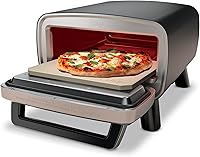
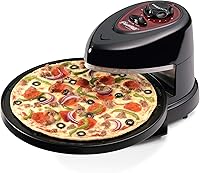
Choose a pizza stone when you want to improve baking inside an oven or grill without buying a dedicated pizza oven. A pizza oven may suit frequent pizza makers who want a purpose-built cooking space, but the stone is the smaller commitment.
A stone can also bake bread, pastry and calzone, so it is not limited to one food. Cast iron offers even more cooking uses, but its pizza shape and handling feel different.
Read our pizza stone vs pizza oven comparison if you are deciding between an accessory and a dedicated appliance. Your available space, cooking frequency and preferred crust matter more than the name of the equipment.
Which should you choose?
Choose cast iron if you want deep browning, a pan-style pizza and cookware for many other meals. Choose a pizza stone if you want a broad baking surface, a lighter crust style and pizza-focused use.
Pick the Lodge 3-piece set when size flexibility matters. Pick the Lodge 12 in skillet when you want one round pan with a silicone handle holder.
Pick the Hans Grill Rectangular Pizza Stone with Peel for a straightforward rectangular stone setup. Pick the Hans Grill PRO XL when the perforated aluminium peel is worth choosing for easier launching and steam release.
For indoor baking, our guide to the best pizza stone for oven can help narrow the stone choice. For outdoor cooking, compare the Best Pizza Stone For Grill options before you measure your grill.
The pizza stone vs cast iron answer is simple: stone for pizza-first baking, cast iron for pizza plus broader cooking. Choose the surface you can preheat, lift and care for comfortably.
Frequently asked questions
Is a pizza stone better than cast iron for pizza?
A pizza stone is better when you want a broad baking surface and a dry, lighter crust. Cast iron is better when you want a compact pan that holds heat and supports deeper browning.
Your oven or grill space, preferred crust and care routine should guide the choice.
Does pizza cook better on cast iron or a stone?
Pizza can cook well on either surface, but the result differs. A cordierite stone is designed for pizza, bread and pastry baking, while cast iron holds heat and can produce a darker, more deeply browned base.
Dough thickness and oven temperature still affect the result.
Can you use a pizza stone on a grill?
Yes, these Hans Grill cordierite stones are made for oven baking and BBQ grilling. Heat the grill and stone according to the stone's care guidance, avoid sudden temperature changes, and check that the rectangular surface fits with the lid closed.
Is cast iron easier to clean than a pizza stone?
Neither surface is dishwasher-friendly in the product data here. The Lodge skillets are hand wash only, while the Hans Grill stones use hand washing with warm water.
Cast iron also needs seasoning care, and stone marks are normal rather than a sign that the surface has failed.