
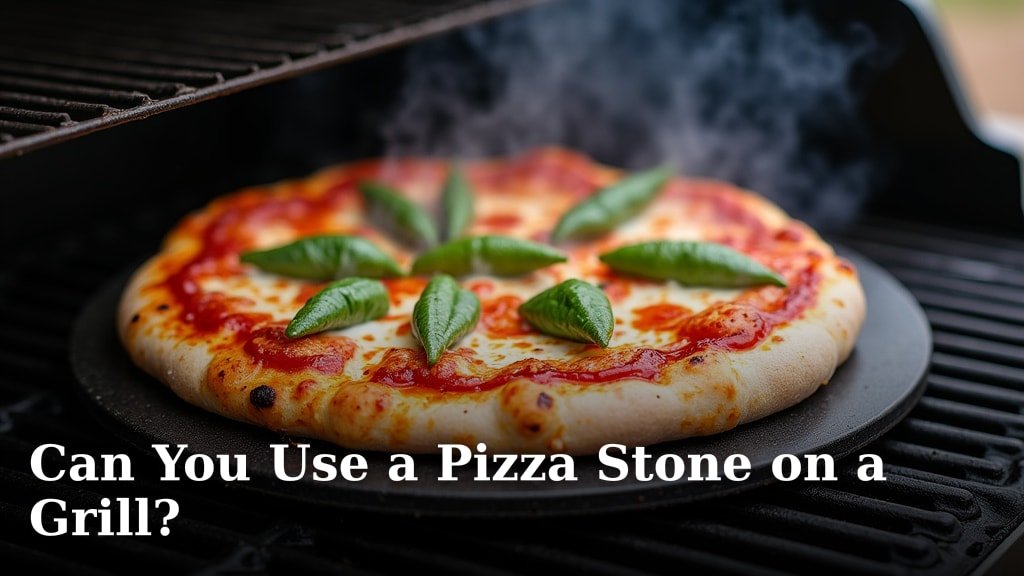
Yes, you absolutely can use a pizza stone on a grill! Many people have found great success using a pizza stone to achieve a perfectly crispy crust on their grilled pizzas and other baked goods. It’s a fantastic way to get that professional, oven-baked texture right in your backyard.
Grilling with a pizza stone allows you to transfer heat evenly, preventing burnt bottoms and soggy centers. It acts much like your oven’s baking surface, but with the added smoky flavor from the grill. We’ve found this method works wonderfully for more than just pizza; think bread, calzones, and even cookies! Our guide on how to cook pizza on a gas grill explains how to use a pizza stone on the grill.
- Pizza stones can be used on grills.
- They help create a crispy crust.
- It’s a versatile cooking method.
- Get great results with proper preheating.
- Enjoy delicious, smoky baked goods outdoors.
Below, we’ll walk you through how to best use your pizza stone on the grill to get those amazing results you’re looking for.
Grilling with Your Pizza Stone: A Delicious Upgrade
Yes, you absolutely can use a pizza stone on a grill! Many people have found great success using a pizza stone to achieve a perfectly crispy crust on their grilled pizzas and other baked goods. It’s a fantastic way to get that professional, oven-baked texture right in your backyard.
Grilling with a pizza stone allows you to transfer heat evenly, preventing burnt bottoms and soggy centers. It acts much like your oven’s baking surface, but with the added smoky flavor from the grill. We’ve found this method works wonderfully for more than just pizza; think bread, calzones, and even cookies!
- Pizza stones can be used on grills.
- They help create a crispy crust.
- It’s a versatile cooking method.
- Get great results with proper preheating.
- Enjoy delicious, smoky baked goods outdoors.
Below, we’ll walk you through how to best use your pizza stone on the grill to get those amazing results you’re looking for.
Why Use a Pizza Stone on Your Grill?
Using a pizza stone on your grill offers several key advantages. It helps to evenly distribute heat across the entire cooking surface. This means your pizza or bread won’t have hot spots that cause parts to burn while others remain undercooked. You get a consistently crispy crust, just like you would from a professional pizza oven. We found that this even heating is essential for perfect baking outdoors.
Achieving That Perfect Crust
The magic of a pizza stone lies in its ability to absorb and radiate heat. When placed on a hot grill, the stone gets very hot and stays hot. This intense, steady heat directly cooks the bottom of your dough. It quickly dries out the surface, creating that desirable crunchy texture. Without a stone, grill grates can lead to uneven cooking. You might end up with grill marks but a chewy or even soggy bottom. Research shows that high, consistent heat is crucial for a good pizza crust (National Association of Pizzeria Operators).
Beyond Pizza: Versatility on the Grill
While pizza is the star, your grill and pizza stone can handle much more. Think of it as a portable, high-heat baking surface. You can bake artisan breads, creating a beautiful crust with that subtle smoky flavor. Calzones and stromboli bake up wonderfully, with a firm, golden-brown exterior. We’ve even seen great results with cookies and focaccia. The stone prevents delicate items from falling through the grates. It really expands your grilling possibilities.
Setting Up Your Grill for Pizza Stone Success
Getting started is straightforward, but a little preparation goes a long way. The most important step is ensuring your pizza stone is properly introduced to the heat. This prevents shocking the stone and potentially causing it to crack. We found that a slow and steady preheating process is key to stone longevity.
Choosing the Right Pizza Stone Material
Most pizza stones are made from ceramic, cordierite, or cast iron. Each has its own characteristics. Ceramic stones are common and affordable. Cordierite stones are known for their durability and resistance to thermal shock, meaning they are less likely to crack from temperature changes. Cast iron skillets or griddles can also work, offering excellent heat retention but being much heavier. We recommend checking the manufacturer’s instructions for your specific stone material.
Preheating Your Pizza Stone on the Grill: The Right Way
This is arguably the most critical step. Never place a cold pizza stone on a hot grill. You need to preheat them together. Start by placing the cool pizza stone on the grill grates. Then, turn on your grill to a medium heat, around 350-400°F (175-200°C). Close the lid and let the stone heat up for at least 20-30 minutes. This gradual heating allows the stone to expand slowly, preventing stress. We found that this time ensures the stone is thoroughly heated through.
Gas vs. Charcoal Grills: What’s the Difference?
Both gas and charcoal grills can work beautifully with a pizza stone. On a gas grill, you have more precise temperature control. You can easily adjust the burners to maintain your desired heat. On a charcoal grill, you’ll need to arrange your coals to create indirect heat. This means the stone won’t be directly over the hottest part of the coals. This prevents burning the bottom before the top cooks. Many grilling enthusiasts find charcoal offers a richer smoky flavor. We found both methods deliver great results with the right technique.
Direct vs. Indirect Heat: Finding the Sweet Spot
For most baking, including pizza, you’ll want to use indirect heat. Place the pizza stone on the cooler side of the grill. If you have a two-burner gas grill, turn one burner on medium and leave the other off or on low. For a charcoal grill, pile your coals to one side. This setup prevents the bottom of your pizza from burning. You want the stone to be hot enough to crisp the crust, but not so hot that it scorches. We learned that this balance is key to success.
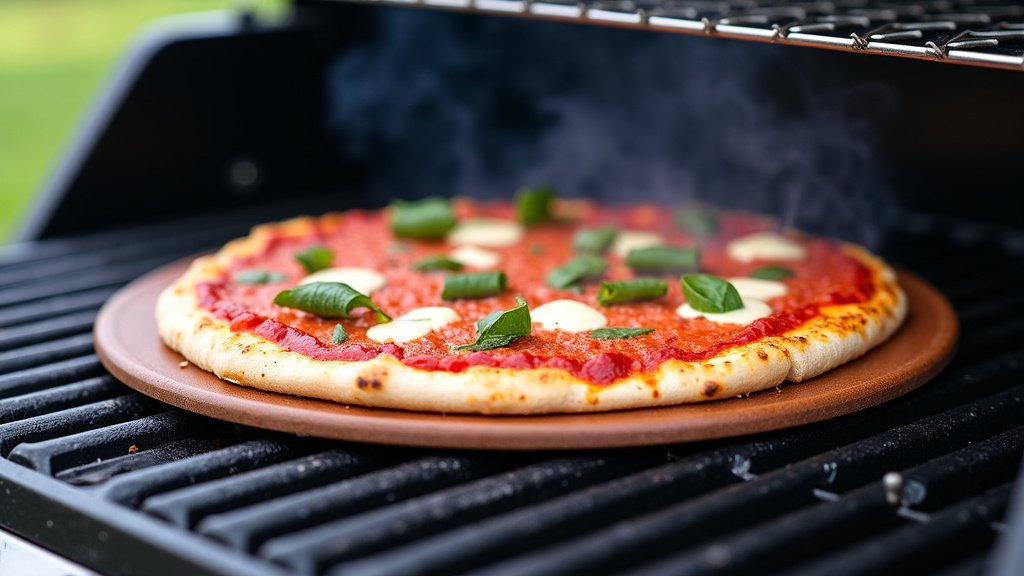
Using Your Pizza Stone on the Grill: Step-by-Step
Once your grill and stone are preheated, you’re ready to cook. The process is quite similar to using an oven, but with that added grill advantage. Remember to work quickly to keep the heat in the grill.
Preparing Your Dough and Toppings
Have all your toppings prepared and ready to go before you start assembling. Once your dough is shaped, work on a lightly floured surface or parchment paper. This makes it easier to transfer to the hot stone. We suggest having a pizza peel handy for this. A light dusting of cornmeal or flour on the peel can help the pizza slide off easily. Remember, the grill lid will be open for a short time, so speed is your friend.
Transferring Your Pizza to the Stone
This can be the most nerve-wracking part for beginners. If using parchment paper, you can slide the entire sheet onto the stone. You can then carefully pull the parchment out from under the pizza after a few minutes of baking. If you’re using a pizza peel, give it a good shake to ensure the pizza isn’t sticking. With a quick, confident motion, slide the pizza onto the preheated stone. We found that a swift, decisive movement works best. Don’t hesitate!
Cooking Times and Temperatures
Cooking times will vary based on your grill’s temperature and the thickness of your pizza. Generally, a pizza cooked on a stone on a grill takes about 8-15 minutes. Keep an eye on it! You’re looking for the cheese to be melted and bubbly, and the crust to be golden brown. We found that opening the lid only when necessary helps maintain consistent heat. This is where that indirect heat setup really pays off.
Maintaining Your Pizza Stone
Proper care ensures your pizza stone lasts for many grilling seasons. Cleaning it is different from cleaning regular cookware. Harsh soaps can be absorbed by the porous material. You don’t want soapy-tasting pizza!
Cleaning and Storage Tips
Once the stone has cooled completely, scrape off any excess food bits with a spatula or scraper. Rinse it under warm water. If there are stubborn stuck-on bits, use a stiff brush. Avoid using soap whenever possible. If you must, use a tiny amount of mild dish soap and rinse extremely well. Allow the stone to air dry completely before storing it. We found storing it in a dry place, perhaps on the grill itself (if weather-protected) or on a shelf, is best. Some people like to wrap it in a towel for protection.
Common Issues and How to Avoid Them
The most common issue is a cracked stone. This usually happens from thermal shock. As we mentioned, preheating slowly is the best defense. Also, avoid placing very cold or wet dough directly onto a scorching hot stone. Another issue can be uneven cooking if your grill’s heat is not managed properly. Ensuring you’re using indirect heat and monitoring your grill temperature will help prevent this. We learned that a little patience goes a long way.
Using a pizza stone on your grill is a fantastic way to level up your outdoor cooking game. It’s surprisingly simple and delivers results that truly impress. So, next time you fire up the grill, consider adding that pizza stone for a deliciously crispy experience!
Conclusion
You’ve learned that using a pizza stone on your grill is a fantastic way to achieve that perfect, crispy crust you crave. It’s more than just for pizza; it opens up a world of baking possibilities outdoors. Remember that proper preheating and using indirect heat are your keys to success. By following these steps, you’ll consistently turn out delicious, smoky baked goods. So, the next time you’re firing up the grill, give your pizza stone a spot on the grates and get ready to impress yourself and your guests!
Frequently Asked Questions
Can I leave my pizza stone on the grill all the time?
It’s generally not recommended to leave your pizza stone on the grill permanently. Exposure to the elements can damage the stone. It’s best to remove it after it has cooled completely and store it in a dry place to maintain its condition for future use.
What’s the best way to clean a pizza stone after grilling?
After the stone has cooled completely, scrape off any food bits with a spatula. Rinse it with warm water and use a stiff brush for any stuck-on food. Avoid using soap, as it can be absorbed by the porous material and affect the taste of your food.
Can I use a pizza stone on a grill that’s already hot?
No, never place a cold pizza stone on a hot grill, as this can cause thermal shock and crack the stone. Always place the cool stone on the grill and then preheat them together slowly over medium heat for at least 20-30 minutes.
What types of grills are best for using a pizza stone?
Both gas and charcoal grills work well. Gas grills offer easier temperature control, while charcoal grills can impart a richer smoky flavor. The main thing is to ensure you can achieve and maintain a consistent medium heat, preferably using indirect heat.
How do I know when my pizza is done cooking on the grill?
You’ll know your pizza is ready when the cheese is melted and bubbly, and the crust is golden brown and crisp. Cooking times typically range from 8-15 minutes, but keep a close eye on it and open the grill lid only when necessary to maintain heat.
