Pizza Steel vs Cast Iron: Which Should You Choose? (November 2026)
Choose pizza steel for large, crisp pizzas and cast iron for smaller, more versatile cooking. Pizza steel stores and transfers strong heat across a broad surface, while cast iron offers deep heat retention in cookware you can use for many meals.
On this page (9 sections)
- Pizza steel vs cast iron: which makes better pizza?
- How does heat storage compare?
- Which option is easiest to move?
- What size should you choose?
- Which is more versatile beyond pizza?
- Which product fits your cooking style?
- How should you preheat pizza steel or cast iron?
- How do care and seasoning differ?
- Should you buy pizza steel or cast iron?
Choose pizza steel for large, crisp pizzas and cast iron for smaller, more versatile cooking. Pizza steel vs cast iron comes down to surface area, heat storage, weight and how often you'll use the cookware for meals beyond pizza.
For a comparison with a dedicated appliance, see pizza steel vs pizza oven.
Pizza steel is a thick steel plate that you preheat before sliding dough onto it. For a specific steel option, read the HexClad pizza steel review.
Cast iron is usually a skillet or pan, so it holds heat while also giving you a rim for frying, roasting and baking.
This comparison looks at 4 options in the site plan. We checked their listed sizes, thicknesses, weights, materials and cooking uses.
Our score weighs specs, features and buyer feedback against what you're shopping for.
 Best for full-kitchen versatility
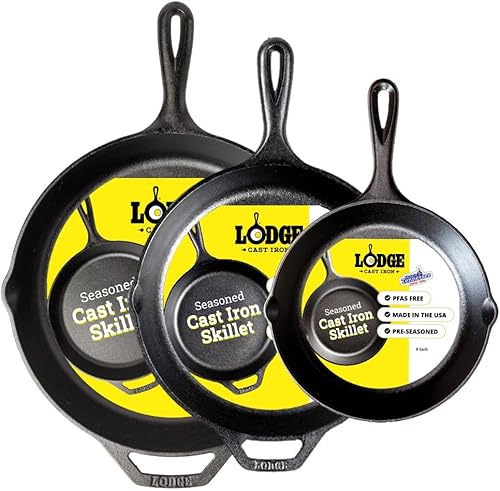
Lodge Pre-Seasoned Cast Iron Skillet 3-Piece Set
Pizza steel vs cast iron: which makes better pizza?
Pizza steel gives you the better shape and surface for large, thin pizzas, while cast iron suits smaller pizzas with a deeper pan style. The right choice depends on whether you want a flat baking surface or a general cooking pan.
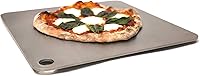
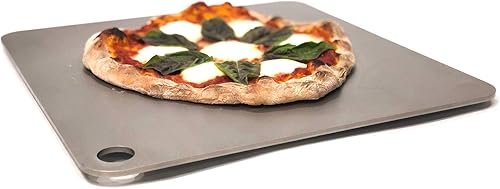
A steel plate lets you launch dough onto a broad, level area. The THERMICHEF measures 16 x 16 inches and can cook pizzas up to 15 inches in diameter.
That gives you more room than either Lodge skillet.
Cast iron works well for pan pizza, smaller rounds and dough that you want to contain inside a rim. The 12 inch Lodge skillet gives you a familiar pan shape, while the 3-piece set includes 8, 10.25 and 12 inch skillets.
If you prefer thin crust with a wide base, choose pizza steel. If you like a pan that can move from stovetop cooking to oven baking, choose cast iron.
How does heat storage compare?
A thicker, heavier cooking surface stores more heat, but it also takes more effort to preheat and move. The THERMICHEF's 3/8 inch thickness and 27.5 lb weight favor heat storage for repeated pizzas.
The Hans Grill steel is 1/4 inch thick and weighs 13.1 lb. Its smaller 13 x 13 inch shape and lower weight make it easier to handle than the THERMICHEF, but it has less mass for repeated baking.
Cast iron also retains heat well, but the skillet shape changes how that heat reaches the pizza. The pan's sides contain the dough, and the cooking area is smaller than the 16 x 16 inch steel.
For one pizza at a time, the lighter Hans Grill steel or a Lodge skillet may be easier to live with. For batch cooking, the heavier THERMICHEF has more stored heat to support back-to-back baking.
Which option is easiest to move?
The 7.5 lb Lodge skillet is easiest to move, while the 27.5 lb THERMICHEF requires a permanent or carefully planned oven setup. Weight matters when you need to remove hot cookware, clean it or store it between uses.
The Hans Grill steel weighs 13.1 lb. That is still substantial, but it is less demanding than the larger THERMICHEF.
Its 13 x 13 inch size also takes up less oven and storage space.
The Lodge 3-piece set weighs 17.4 lb in total. You can choose the skillet size that fits the meal, but storing 3 pieces takes more cabinet space than storing one plate.
The 12 inch Lodge skillet weighs 7.5 lb and includes a silicone handle holder. It is the simplest choice if you want cast iron without buying a set.
Measure your oven rack and storage area before choosing. For a broad steel, check the interior depth and allow enough room to handle the plate safely.
What size should you choose?
Choose 16 x 16 inches for large pizzas, 13 x 13 inches for a smaller oven, and a 12 inch skillet for a contained pan pizza. The cooking area should match your usual dough size and the space inside your oven.
The THERMICHEF fits most full-size oven racks, but you should measure before ordering. Its square shape gives you room for pizzas up to 15 inches in diameter and can also cover a large flat cooking area.
The Hans Grill Pizza Steel PRO measures 13 x 13 inches. It may suit a smaller oven or a cook who prefers a lighter plate, but it gives you less room for oversized dough.
The Lodge skillets use round cooking areas. The 12 inch skillet is the largest single pan here, while the 3-piece set gives you smaller choices for individual portions or other recipes.
Don't choose by diameter alone. A square steel can offer more usable corner space than a round pan, while a skillet's sides can help contain oil, sauce and thicker dough.
For more context on the flat cooking surface, read what a pizza steel is made of. Material and thickness affect how the plate behaves after it has fully heated.
Which is more versatile beyond pizza?
Cast iron is the stronger choice for everyday cookware, while pizza steel is more useful when you want a flat surface for bread, burgers and vegetables. Both can do more than pizza, but they solve different cooking problems.
The THERMICHEF steel works in an oven, on a grill, on a stovetop or over a campfire. Its flat surface can handle sourdough bread, smash burgers, roasted vegetables, breakfast food and flatbreads.
The Hans Grill steel is intended for oven and BBQ cooking and can also bake bread and calzone. It includes a beechwood handle peel, which supports moving dough onto and off the steel.
The Lodge 3-piece set is built for frying, roasting, baking, sautéing, broiling and grilling. Its 3 sizes make it more useful for daily cooking than a single flat plate.
The 12 inch Lodge skillet is a general-purpose pan for searing, sautéing, baking, frying and campfire meals. Its silicone handle holder adds a practical handling aid after cooking.
If pizza is your main goal, steel gives you the more direct tool. If you want one cookware purchase to cover many meals, cast iron is easier to justify.
Which product fits your cooking style?
The THERMICHEF is the best match for repeated large pizzas, while the Lodge set is better for a kitchen that needs several cast iron sizes. The Hans Grill and single Lodge skillet fill smaller, lighter-use roles.
The THERMICHEF steel is the most substantial option here. Its 3/8 inch thickness stores more heat than a thinner plate, and its 16 x 16 inch surface supports pizzas up to 15 inches.
It arrives unseasoned, so wash it, apply a thin coat of oil and bake it at 375°F for one hour before the first use.
Its size can be an advantage for a full-size oven, grill or stovetop, but it also creates the biggest handling trade-off. Scrape away food after cooking, hand wash it and apply a thin layer of oil to help prevent rust.
The Lodge 3-piece set includes 8, 10.25 and 12 inch pre-seasoned cast iron skillets. That range lets you match the pan to the portion and recipe, while the cast iron construction holds heat for searing and baking.
The set weighs 17.4 lb in total, so it is not a light cookware group. Its pre-seasoned surface is ready to use, and the skillets are designed for oven, stovetop, grill and campfire cooking.
Hand wash only and follow good cast iron care after each meal.
The Hans Grill Pizza Steel PRO is the lighter steel option compared with the THERMICHEF. At 13.1 lb, it is easier to handle, and its 13 x 13 inch size can suit an oven or BBQ with less room.
The 1/4 inch thickness offers a middle ground between heating time and stored heat. Use warm water for hand washing, then dry it thoroughly.
The included peel is useful for moving pizza dough, bread or calzone.
The Lodge 12 inch skillet weighs 7.5 lb and has a 1.89-liter capacity. Its pre-seasoned cast iron surface is ready to use, and the included silicone handle holder helps protect your hand when moving the skillet after cooking.
This pan is easier to store and move than the larger steel options, but its round, 12 inch cooking area limits the pizza size. It is a better fit when pizza shares space with everyday recipes.
How should you preheat pizza steel or cast iron?
Preheat either material fully before adding dough, but give thicker and heavier cookware more time to heat through. A hot surface matters because the dough needs strong contact heat as soon as it lands.
The THERMICHEF instructions call for a 500°F oven preheat with the steel inside for 45–60 minutes. That long warm-up suits the plate's 3/8 inch thickness and 27.5 lb mass.
The Hans Grill steel is 1/4 inch thick, so it has less mass to heat. Follow the oven or BBQ instructions for your setup and allow the plate to reach an even temperature before launching the pizza.
Cast iron also needs preheating. Place the skillet in the oven while it warms, or heat it gradually on the stovetop if your recipe calls for that method.
Use oven mitts and remember that the handle remains hot.
For a step-by-step setup, see how to use a pizza steel in an oven. Keep the dough size within the surface area and use a peel or suitable tool to transfer it.
How do care and seasoning differ?
Pizza steel needs oil to help prevent rust, while pre-seasoned Lodge cast iron arrives ready to use but still needs hand washing and ongoing care. Neither material belongs in a careless soak-and-store routine.
The THERMICHEF ships shot-blasted rather than pre-seasoned. Wash it, apply a thin coat of oil and bake it at 375°F for one hour before cooking.
After use, scrape off food, hand wash and apply a thin oil layer.
The Hans Grill steel should be hand washed with warm water only. Dry it fully after cleaning, since moisture can cause problems for uncoated steel.
The Lodge skillets use natural vegetable oil seasoning. Hand wash them, dry them well and maintain the cooking surface with suitable cast iron care.
The 12 inch skillet includes a silicone handle holder, but the pan itself remains hot after cooking.
For a related care method, read how to season a cast iron griddle. The same focus on a thin oil layer and dry storage helps you build a durable cooking surface.
Should you buy pizza steel or cast iron?
Pick pizza steel if large, thin pizzas are the priority; pick cast iron if you want cookware for pizza plus daily meals. Then choose the size and weight you can safely preheat, move and store.
Choose the THERMICHEF for the largest surface and strongest heat storage. Choose the Hans Grill for a smaller steel with a peel and lower weight.
Choose the Lodge 3-piece set for the most skillet flexibility. Choose the 12 inch Lodge when you want one cast iron pan with a handle holder and a smaller storage footprint.
If you're still deciding between a steel and a dedicated outdoor appliance, compare the needs in this guide to an outdoor pizza oven. For more steel options, use the best pizza steel for oven guide.
The simple rule is clear: steel favors pizza surface area, while cast iron favors cooking range. Buy the material that matches the meals you make most often, not only the crust style you want once in a while.
Frequently asked questions
Is pizza steel better than cast iron for pizza?
Pizza steel is usually better for large, thin pizzas because its broad flat surface transfers strong heat across more of the dough. Cast iron is better when you also want a pan for searing, baking, frying and grilling.
Your oven size, pizza shape and need for everyday cookware should decide.
Which holds heat longer, pizza steel or cast iron?
Both materials hold heat well, but thickness and mass matter more than the material name alone. The 27.5 lb THERMICHEF steel stores more heat than the 13.1 lb Hans Grill steel, while the Lodge skillets retain heat in smaller cooking areas.
Is pizza steel heavier than cast iron?
The largest steel here is heavier than either Lodge skillet, at 27.5 lb. The Hans Grill steel weighs 13.1 lb, while the 3-piece Lodge set weighs 17.4 lb and the 12 in Lodge skillet weighs 7.5 lb.
Compare the exact size and weight before choosing.
Can you use pizza steel on a grill?
Yes. The THERMICHEF steel is described for oven, grill, stovetop and campfire use, and the Hans Grill Pizza Steel PRO is made for oven and BBQ cooking.
Cast iron skillets also work on a grill or campfire, giving you a pan shape rather than a flat square surface.