What Is a Pizza Steel Made Of?
A pizza steel is made from a solid sheet of conductive steel, usually low-carbon steel. Its thickness controls heat storage and recovery, while seasoning helps protect the surface from rust.
On this page (8 sections)
- What is a pizza steel made of?
- How does steel change the way pizza cooks?
- Does pizza steel thickness affect cooking?
- How is a pizza steel seasoned?
- Can you use a pizza steel on a grill?
- How should you clean and store a pizza steel?
- Is every steel pizza product actually a pizza steel?
- What should you choose for your kitchen?
A pizza steel is made from a solid sheet of conductive steel, usually low-carbon steel. It has no ceramic body, and many models have no nonstick coating, so the metal transfers strong heat to the dough while seasoning helps protect the surface.
The steel's material, thickness, size, and finish shape how it cooks. A thin plate heats and moves more easily, while a thick plate stores more heat for repeated pizzas.
What is a pizza steel made of?
A pizza steel is made of solid steel cut into a flat cooking plate. The THERMICHEF model here is precision laser-cut from a single piece of low-carbon steel, and its 3/8 in thickness gives it substantial heat storage.
Steel conducts heat more efficiently than ceramic pizza stone material. That helps the dough's bottom firm up quickly when the preheated plate meets the pizza.
A pizza steel is usually plain metal rather than a glazed or coated baking surface. That means you need to manage moisture, oil, and cleaning more carefully than you would with a disposable baking tray.
For a broader look at equipment around the cooking area, see our guide to outdoor pizza ovens.
How does steel change the way pizza cooks?
Steel sends heat into the dough quickly because it makes close contact with the pizza base. The result can be a crisper bottom, especially when the steel has been heated fully before the pizza goes on.
A ceramic stone can also produce a crisp crust, but ceramic is more fragile and can crack from drops or sudden temperature changes. For another comparison of baking surfaces, see pizza stone vs cast iron.
Steel is less likely to break from that kind of impact, although its weight can make handling harder.
Preheating matters because a room-temperature steel cannot deliver its full cooking effect immediately. For a standard oven setup, place the steel inside before heating and allow enough time for the entire plate to become hot.
Our guide to the best pizza steel for oven compares the size and thickness choices that matter most for indoor baking.
Does pizza steel thickness affect cooking?
Thickness controls heat storage, weight, and recovery between pizzas. A 3/8 in deluxe steel stores more heat than a thinner plate, which can help during back-to-back cooking.
The trade-off is handling. A 16 in x 16 in steel at 3/8 in thick weighs about 27 lb, so you need an oven rack and storage spot that can handle its size and weight.
A 1/4 in steel offers a middle ground. The Pizza Steel PRO by Hans Grill is 13 in x 13 in and 1/4 in thick, so its smaller footprint may suit ovens and BBQ cooking areas where a 16 in square plate is too large.
Measure your oven interior before choosing a square steel. Check the rack width, depth, door clearance, and space needed to slide a peel onto the surface.
What is the best size for your oven?
Choose a steel that fits the rack with room to move air and handle the peel. A 16 in x 16 in plate can cook pizzas up to 15 in in diameter, while a 13 in x 13 in plate suits smaller cooking areas.
The THERMICHEF steel is made in the USA from low-carbon steel and arrives shot-blasted rather than pre-seasoned. It is a strong fit for cooks who want a large plate with high heat storage and also plan to use it for bread, flatbreads, or grilling.
Its size is less convenient for compact or apartment-sized ovens. THERMICHEF recommends a smaller 14 in x 14 in version for those spaces, so measure before ordering.
How is a pizza steel seasoned?
Seasoning means heating a thin layer of cooking oil onto the steel so it forms a protective patina. This helps reduce sticking and gives the surface some protection against moisture-related rust.
A new uncoated steel may need seasoning before its first pizza. Wash it as directed, dry it fully, apply a thin coat of oil, and heat it according to the product's instructions.
Do not leave excess oil pooled on the plate. A thin, even layer is easier to manage and reduces sticky residue during the first heating cycle.
After cooking, scrape away food residue while the steel is still manageable to handle. Let it cool safely, wipe it clean, dry it completely, and apply a light coat of oil if the care instructions call for it.
The best pizza steels made in the USA guide can help if domestic manufacturing is part of your decision.
Can you use a pizza steel on a grill?
Some pizza steels can be used on ovens, grills, stovetops, or campfires, but you must follow the specific product's instructions. A steel plate can also act as a flat cooking surface for bread, vegetables, burgers, and flatbreads.
The THERMICHEF 16 in x 16 in steel is designed for oven, grill, stovetop, and campfire use. For the oven setup, see how to use a wood-fired pizza oven.
Its low-carbon steel construction is described for direct-flame cooking without warping.
The Hans Grill steel is designed for oven and BBQ cooking. Its 13 in x 13 in square shape gives you a smaller cooking surface than the THERMICHEF model.
The Pizza Steel PRO includes a peel and has a smooth surface intended for cleaning with warm water only. Its 1/4 in thickness is positioned as a balance between heat-up time and crust performance.
Use a heat-safe method to move any steel, and remember that the plate remains hot after cooking. For a full indoor method, follow how to use a pizza steel in an oven.
If you prefer cooking pizza directly over gas heat, see how to grill pizza on a gas grill.
How should you clean and store a pizza steel?
Clean a pizza steel with scraping, wiping, drying, and light oiling when required. Avoid soaking an uncoated steel plate because trapped moisture can encourage rust.
Let stuck food soften through normal cooling rather than attacking the surface with a sharp tool. Remove loose residue with a scraper that will not gouge the metal, then wipe the plate with a suitable cloth.
Hand-wash the THERMICHEF steel, and use warm water only for the Hans Grill steel. Dry both thoroughly before storage.
Keep the steel in a dry cabinet where it will not collect condensation. If rust appears, follow the manufacturer's care instructions for removing it and rebuilding the protective seasoning.
The best pizza steel pan guide is useful when you want to compare plate shapes, sizes, and everyday handling.
Is every steel pizza product actually a pizza steel?
No. Some countertop pizza appliances use a pan or rotating tray instead of a flat baking steel.
They can still solve the need for convenient pizza cooking, but their heat source and care routine are different. For another countertop option, read the Ninja Artisan pizza oven review.
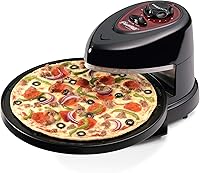
The Presto 03430 Pizzazz Plus Rotating Oven is not a loose steel plate. It is a countertop pizza oven with a removable nonstick baking pan, a continuously rotating tray, a timer with automatic shutoff, and top and bottom heating elements.
That makes it useful for someone who wants a dedicated countertop appliance instead of a heavy plate inside a full-size oven. Its 12 in size also points to smaller pizzas than the 15 in capacity described for the THERMICHEF steel.
Clean the removable pan according to the appliance's care directions. Do not apply the seasoning routine for bare low-carbon steel to a nonstick baking pan.
What should you choose for your kitchen?
Choose low-carbon steel if you want a flat plate that transfers strong heat into pizza dough and can also work for bread or other cooking tasks. Choose a thicker plate for repeated pizzas, and choose a smaller or thinner one if weight and storage matter more.
Pick the THERMICHEF steel for a large 16 in x 16 in surface and high heat storage. Pick the Hans Grill steel for a smaller 13 in x 13 in plate with an included peel.
Choose the Presto countertop oven if you want rotating, top-and-bottom electric baking with a removable nonstick pan rather than a loose steel plate. The right choice depends on whether you want direct contact with a preheated steel surface or a self-contained appliance.
Pizza steel composition is simple, but thickness and care make the difference. Keep bare steel dry, season it as directed, and measure your cooking space before choosing the plate.
Frequently asked questions
What metal is used to make a pizza steel?
Pizza steels are made from a solid steel plate, often described as low-carbon steel or conductive steel. The metal transfers heat into pizza dough faster than a ceramic surface, while the plate's thickness affects how much heat it stores and how quickly it recovers between pizzas.
Is a pizza steel the same as cast iron?
No. A pizza steel is a flat steel plate made for baking and cooking, while cast iron is a different iron-carbon material and manufacturing style.
Both can store heat, but you should follow the care instructions for the specific steel because seasoning, cleaning, and rust prevention can differ.
Does a pizza steel need to be seasoned?
Many uncoated pizza steels need seasoning before use and a thin layer of oil after cleaning to reduce rust. Follow the product's care directions, keep the surface dry, and avoid treating an unseasoned steel like a coated pan.
Why does pizza steel thickness matter?
Thickness affects heat storage, weight, preheating time, and recovery between pizzas. A thicker steel can hold more heat for back-to-back cooking, but it is heavier to move and may take longer to heat than a thinner plate.