What Is the Best Wood for a Pizza Peel?
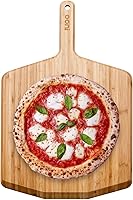
Hard maple is the best wood for pizza peel use for most home cooks. It is hard, smooth, resistant to dents and easy to keep clean. Beech is a close second for strength and comfort, while cherry suits lighter, decorative peels that need gentler care.
On this page (15 sections)
- What makes the best wood for pizza peel use?
- Hard maple: why it suits most home pizza cooks
- Beech: a strong and comfortable second choice
- Cherry: light, smooth and better for gentle use
- Bamboo: light and strong, with care limits
- Birch and other plywood style peels
- Wood species compared for weight, durability and release
- How wood type affects dough release and launching
- Peel size, thickness and handle shape for each oven
- Wood vs steel: when each peel does the better job
- Cleaning, oiling and storing a wooden peel
- Matching a peel to your oven, stone and pizza style
- Common mistakes that ruin wooden peels
- How to choose the best wood for pizza peel for your kitchen
- Final decision for the best wood for pizza peel
Hard maple is the best wood for pizza peel use for most home cooks. It stays smooth, resists dents and gives dough enough grip to build and launch without sticking.
Beech is the next best choice when you want good strength and a warm feel. Cherry can work for a lighter peel, but it needs more careful care.
Bamboo is light and common, yet its glued strips can be less forgiving with water.
This guide compares the main peel woods by weight, hardness, grain, dough release and care. It also explains when wood beats metal and when a mixed setup works best.
What makes the best wood for pizza peel use?
The best wood for pizza peel use is hard, close grained and smooth enough to release dough with light flour. It should not dent easily, split at the edge or turn rough after washing.
Weight matters because you hold the peel out over a hot stone or oven floor. A long handle gives reach, but a heavy board makes aiming harder.
A balanced peel feels steady when the dough starts to slide.
Grain matters in a quieter way. Tight, straight grain resists splinters and cleans faster than open grain.
A smooth surface also lets you use less flour, which keeps the crust tender.
Durability matters because peels meet bench scrapers, metal tools and hot oven edges. Soft woods dent, then those dents catch dough on the next use.
Harder woods keep their face flatter for longer.
Rule: choose a hard, fine grained wood with a smooth, sealed face and a handle that balances the board.
Hard maple: why it suits most home pizza cooks
Hard maple is the best wood for pizza peel use when you want one peel that does almost everything. It is dense, smooth and resistant to the small dents that make dough snag.
Maple has a pale color, so flour, tomato sauce and scorch marks are easy to see. That visibility helps you clean the peel before residue hardens.
It also keeps the board looking clean in a home kitchen.
The wood holds a thin edge well. A thinner edge slides under dough more easily than a thick, blunt board.
Maple can be shaped to that edge without feeling fragile.
Maple is heavier than some lighter woods, so balance matters. A long maple peel can feel tiring if the handle is too thick.
Look for a tapered handle and a board size that matches your oven or stone.
Rule: pick hard maple first if you want a durable, smooth peel for regular home pizza making.
Beech: a strong and comfortable second choice
Beech is a strong option when maple feels too heavy or too costly. It has good hardness, a fine grain and a warm surface that many cooks like under the hands.
Beech handles moisture in a normal way for a hardwood peel. It should still be wiped clean and dried on edge, not soaked.
With that care, it holds up well for building and launching dough.
The grain is often straight and even, which helps with cleaning. Scraped dough releases more easily from a flat, smooth board than from one with raised grain.
A quick sanding later can restore that smoothness.
Beech can mark more easily than very hard maple. Light scratches are normal and usually do not affect dough release.
Deep cuts near the edge should be sanded smooth before the next use.
Rule: choose beech if you want maple like strength with a slightly softer, more forgiving feel.
Cherry: light, smooth and better for gentle use
Cherry suits cooks who prefer a lighter peel and do not mind extra care. It has a rich color and a smooth surface that can release dough well when kept flat.
The wood is softer than maple or beech, so it dents more easily. Those dents can hold flour and make the surface feel rough over time.
Gentle scraping and light sanding are part of normal cherry care. Cherry can also darken with heat and humidity, which is mostly cosmetic but can hide stains.
A clean, dry board is easier to check for rough spots before you build dough. A cherry peel works best as a launch peel rather than an all purpose tool.
Use it for shaping and sliding dough, then switch to a metal peel for turning or retrieving a baked pizza. Buy cherry only if you want a lighter peel and will keep it dry, sanded and away from harsh scraping.
Bamboo: light and strong, with care limits
Bamboo is light, widely available and often priced lower than solid hardwood. It can be a fine peel for occasional use, especially in a smaller oven.
Bamboo is not a true wood in the same way as maple or beech. Many bamboo peels use glued strips, and the seams can absorb water if the finish wears down.
That makes thorough drying more important.
The surface can feel very smooth, which some cooks like for launching. Others find it too slick for shaping dough, so they add more flour.
The right choice depends on your dough style and how wet it is.
Bamboo edges can chip if the peel is dropped or knocked against a stone. Check the edge before each use, since a rough edge can tear dough or catch on the oven floor.
Rule: choose bamboo for light, occasional use, and skip it if you want the longest lived hardwood peel.
Birch and other plywood style peels
Birch plywood peels are useful when you want a thin, light board with a flat face. The layered construction resists warping and keeps the peel steady in damp kitchens.
The edge is the weak point. If the layers are exposed, water can enter and the edge can swell.
A sealed edge and careful drying reduce that risk.
Birch is often less dense than solid maple, so the peel feels lighter in the hand. That lightness helps with control on a long handle.
It can also feel less solid when you push dough across it.
These peels suit apartment ovens and smaller stones where reach matters less. They are less ideal as a heavy duty tool for daily outdoor cooking.
Rule: consider birch plywood for a light, flat peel, but check the edge seal before you buy.
Wood species compared for weight, durability and release
Maple, beech, cherry, bamboo and birch each make a different trade off. The best choice depends on how often you cook and how much care you will give the peel.
| Wood | Weight feel | Durability | Dough release | Best for |
|---|---|---|---|---|
| Hard maple | Heavier, solid | Very high | Smooth and steady | Regular home use |
| Beech | Medium heavy | High | Fine grain, easy clean | Comfort and strength |
| Cherry | Lighter | Medium | Smooth when maintained | Gentle launching |
| Bamboo | Light | Medium | Can be slick | Occasional use |
| Birch plywood | Light to medium | Medium | Flat and stable | Small ovens |
Hardness is not the only factor. A soft wood that stays flat can work well, while a hard wood with a rough face can frustrate you.
Surface condition matters as much as species.
Thickness also changes the feel. A thinner board slides under dough more easily, but it can flex if it is too light.
Aim for a board that feels firm when you press and lift it.
Rule: rank maple first, beech second and lighter woods only when weight matters more than long term durability.
How wood type affects dough release and launching
Wood releases dough through a mix of texture, flour and surface dryness. A smooth, dry wooden face gives dough a little grip while you shape it, then lets it slide when you tilt the peel.
That grip is useful. It keeps the base from skating across the board while you stretch it.
Metal peels are thinner and slicker, so dough can move too much before you are ready. Too much grip is a problem, since a rough or damp board can hold dough in place when you try to launch it.
Flour manages this balance. A light dusting creates a barrier between dough and wood, while excess flour can burn and leave a bitter taste.
Cornmeal and semolina can add more sliding power, but they change the crust texture. Many home cooks use a small amount of flour and rely on a smooth peel for the rest.
Rule: use wood to build dough with control, dust lightly with flour and launch with a short, firm tilt.
Peel size, thickness and handle shape for each oven
Peel size should match your cooking space, not just your pizza size. A peel that is too large will hit tubs, handles and oven racks before the dough reaches the stone.
For a home oven, a 12 in to 14 in board fits most round pizzas and many rectangular stones. A longer handle helps you reach the back without stretching over a hot door.
For an outdoor pizza oven, a longer peel gives safer reach into a deep chamber. The handle must stay cool and strong near high heat.
Thickness should suit the board size. A small peel can be thinner and still feel firm, while a large peel needs more stiffness so the tip does not bend under dough.
Handle shape matters in your grip. A round or oval handle is easier to hold than a flat paddle, and a tapered shape puts more weight near the board.
Wood vs steel: when each peel does the better job
Wood and steel solve different parts of pizza making. Wood is better for building and launching dough, while steel is better for sliding under a baked pizza.
A wooden peel has enough friction to hold dough while you shape it. That control matters with wet, high hydration dough, and it feels warmer and less likely to shift the base.
A steel peel is thinner, so it can slip under a finished crust with less lifting. That makes turning a pizza or pulling it from a stone easier, and it is simpler to wipe clean.
Our wood vs steel pizza peel guide compares the two in more detail. Many cooks use both, with wood for launching and metal for retrieving.
The best pizza peel steel options show perforated designs that help steam escape from the crust. Those holes can help keep the base crisp when you turn or serve the pizza.
Cleaning, oiling and storing a wooden peel
A wooden pizza peel needs dry cleaning first, light washing second and air drying on edge every time. That routine protects the grain and keeps the face smooth.
Let dough dry on the board, then scrape it off with a bench scraper or stiff brush. Wipe the surface with a cloth that is barely damp.
Use a small amount of wood soap only when flour and sauce need more help.
Never soak the peel in a sink or put it in a dishwasher. Water can soak into the end grain and raise the grain.
That rough surface can make the next dough stick.
After washing, stand the peel on edge and let air reach both sides. Heat from a stove or direct sun can warp the board, so use room temperature air instead.
Light oiling can help a dry peel, but it is optional and should be very thin. Too much oil can make dough slick or leave a film that attracts dust.
Sand rough spots with fine sandpaper, then wipe away all dust.
Rule: scrape, wipe, dry on edge and sand rough spots early to keep the face flat and smooth.
Matching a peel to your oven, stone and pizza style
Your peel should match the tool that cooks the pizza. A flat wooden board launches well on a stone, while a smaller peel suits a deck, kettle grill or compact oven.
If you use a best pizza peel for oven setup, measure the stone and the oven opening before you choose board size. The peel must enter the oven, turn and exit without scraping the door.
Neapolitan style dough is often wet and thin, so it needs a smooth peel and careful flour dusting. New York style dough is usually firmer, so grip matters less and a thinner peel may work well.
For deep dish or pan pizza, a peel matters less because the pan holds the dough. A wooden board can still help you slide the pan in and out with less stress on your wrists.
If you use a pellet grill, read How To Cook A Pizza On A Wood Pellet Grill? and How Does A Wood Pellet Grill Work? before you pick a peel length. Grill grates change how far you need to reach.
The best wooden pizza peel guide gives more examples by size and handle style. The best pizza peel cutting board options suit cooks who want one board for serving as well as launching.
Common mistakes that ruin wooden peels
The most common mistake is washing a wooden peel like a metal pan. Soaking, dishwashers and strong detergents damage the surface faster than normal pizza making.
Too much flour is another mistake. A thick layer can burn and leave a harsh flavor, while a light dusting plus a smooth board works better.
Scraping with a metal tool at a steep angle can gouge the face. Use a bench scraper flat and light, and sand deep scratches before they catch the next base.
Storing a peel flat on a damp counter traps moisture on one side. That can warp the board, so use an upright rack or a dry shelf that gives air to both faces.
Leaving tomato sauce on the board can stain the wood and make it feel rough. Wipe sauce off soon after use, then dry the peel on edge.
How to choose the best wood for pizza peel for your kitchen
Start with how often you cook. Daily or weekly pizza makers should buy hard maple or beech, while occasional cooks can use bamboo or birch with careful drying.
Next, check your oven and stone size. A peel that cannot enter your oven safely is not useful, no matter how good the wood is, so measure the opening, stone depth and space behind the door.
Weigh the board in your hand if you can. A peel that feels heavy in the shop may feel heavier held out over a hot oven, and balance matters more than total weight on paper.
Check the edge and face with your palm. The edge should feel rounded, not sharp, and the face should feel smooth, with no raised grain, cracks or loose splinters.
Choose a handle length that keeps your hand away from heat. For outdoor cooking, you need more reach and a handle that stays comfortable to hold.
Final decision for the best wood for pizza peel
Hard maple is the best wood for pizza peel use for most home cooks because it balances hardness, smoothness and durability. Beech is the best alternative if you want similar strength with a warmer feel.
Cherry suits a lighter peel for gentle launching, and bamboo suits occasional use when budget matters. Birch plywood works well in small ovens where a light, flat board helps with control.
Your oven size should still guide the final pick. Measure the stone and opening, then choose a board that fits with room to turn.
Add a thin metal peel later if you want easier retrieving.
For most readers, the smart first buy is a hard maple peel in a size that fits your oven, with a tapered handle and a smooth, sealed face. Keep it dry, dust it lightly and store it on edge.
Frequently asked questions
What is the best wood for a pizza peel?
Hard maple is the best wood for pizza peel use for most home cooks because it resists dents, feels smooth under dough and cleans without soaking up flour. Beech is a strong alternative.
Cherry and bamboo can work, but they need more careful drying, oiling and storage.
Is bamboo a good wood for a pizza peel?
Bamboo can be light and strong, but it is a grass rather than a true hardwood and its glued strips can absorb moisture at the seams. Choose it only if the peel has a sealed, rounded edge and you can dry it fully after each use.
Maple or beech usually lasts longer with less fuss.
How do you clean a wooden pizza peel?
Scrape off dried dough with a bench scraper, then wipe the surface with a barely damp cloth and a small amount of wood soap. Dry the peel on edge so air reaches both sides.
Avoid soaking, dishwashers and harsh detergents, since trapped moisture can raise the grain and dull the surface.
Do you need a wooden peel or a steel peel?
A wooden peel is better for building and launching dough because wood grips the base while you shape it. A steel peel is thinner and slides under a baked pizza with less effort.
Many cooks use wood to launch and a perforated metal peel to turn and retrieve the finished pie.