What Does It Mean to Season a Cast Iron Skillet?
Seasoning a cast iron skillet means building a thin layer of baked-on oil that protects the iron and helps food release. It is not a coating you buy or a one-time treatment, and it keeps improving with normal cooking and care.
On this page (13 sections)
- What is seasoning a cast iron skillet actually made of?
- How does the protective cooking surface form?
- Why does seasoning help food release?
- Can you buy a skillet that is already seasoned?
- What if you need a smaller pre-seasoned skillet?
- When does skillet seasoning need attention?
- How do you care for seasoning without stripping it?
- What oil should you use for seasoning?
- Is enamel cast iron seasoned the same way?
- What tools help you protect a seasoned skillet?
- How do you know if your seasoning is good enough?
- What mistakes strip seasoning fastest?
- Which skillet should you pick for seasoning at home?
Seasoning a cast iron skillet means building a thin layer of baked-on oil that protects the iron and helps food release. It forms when oil bonds to the metal under heat and hardens into a dry, slick surface.
The layer grows a little each time you cook with oil or fat, clean the pan well, dry it fully, and warm it briefly. Pre-seasoned pans start that process before sale, so your first meal does not have to do all the work.
What is seasoning a cast iron skillet actually made of?
Seasoning is polymerized oil, a thin hardened layer created when cooking oil is heated on iron. At high enough heat, oil bonds to the metal instead of staying liquid.
After it cools, it becomes a dry film that is part of the pan surface.
That film protects in two ways. It keeps moisture from raw iron, which slows rust.
It also fills tiny texture, so food has fewer rough spots to grab. It is not a synthetic nonstick coating.
Lodge uses 100% natural vegetable oil on its pre-seasoned skillets. That matches the usual home method.
Thin matters, since thick coats stay tacky while thin coats harden slick.
How does the protective cooking surface form?
The surface forms one thin layer at a time through heat, oil, and repeated use. Each cooking session adds a little more, especially when you sear, fry, or sauté with oil.
That is why older pans often cook better than new ones. Over weeks and months, the finish becomes smoother and darker, and gentle washing with warm water and mild soap does not erase it.
Drying right away matters most, since standing water invites rust.
Why does seasoning help food release?
Seasoning helps release because it creates a smoother, oil-bonded surface with fewer places for food to grip. Bare cast iron is slightly rough, so once seasoned a spatula slides under eggs, fish, or chicken skin more easily.
This guide to whether is a cast iron skillet non stick explains the gap between seasoned cast iron and true nonstick pans. Seasoned cast iron releases well, but it still rewards preheating and a little oil.
Heat control helps too. Cast iron holds and spreads heat evenly, so a crust forms before food sticks and then releases cleanly.
Can you buy a skillet that is already seasoned?
Yes, you can buy a skillet that is already seasoned and ready to cook with on day one. Pre-seasoned cast iron saves the first rounds of seasoning and works right out of the box.
Normal use then builds more.
The Lodge Pre-Seasoned Cast Iron Skillet with Silicone Handle Holder, 12 Inches is a good example. It is a 12-inch skillet with a silicone handle holder, made for searing, sautéing, baking, frying, and campfire cooking.
Lodge describes it as pre-seasoned with natural vegetable oil and free of PFOA and PTFE.
At 7.5 pounds, it is solid and stable, but heavy for one-handed lifting. Twelve inches gives room for two chicken breasts, a batch of vegetables, or a full cornbread.
That extra heft is part of why it holds heat so well.
Who should choose the 12-inch Lodge skillet?
Choose the 12-inch Lodge skillet if you want one main pan for family meals and weekend searing. The wider surface browns food without crowding, and the silicone holder helps when you move the pan from stove to table.
It suits gas, electric, induction, oven, grill, and campfire use. The pan is hand wash only and oven safe.
That covers most home recipes, from breakfast to oven finishing. Skip it if you cook mostly for one person or have small burners.
What if you need a smaller pre-seasoned skillet?
A smaller skillet is better when you cook one or two portions and want faster heating with less weight. You lose space, but you gain a pan that is easier to move, store, and heat on a small burner.
The Lodge Pre-Seasoned Cast Iron Skillet with Hot Handle Holder, 10.25 Inches fits that role. It measures 10.25 inches and includes a red silicone hot handle holder.
Lodge says it is seasoned with 100% vegetable oil, with no synthetic coatings or chemicals, and that the finish improves with use.
At 5.4 pounds, it is still sturdy, but noticeably easier to handle than the 12-inch model. It works in the oven, on the stove, on the grill, and over a campfire, and Lodge notes it is great for induction cooktops.
Choose it for eggs, a single steak, sautéed greens, or small cornbread. Skip it for four or more people, since food will need batches.
Crowding keeps food steaming instead of browning, which hurts release.
When does skillet seasoning need attention?
Skillet seasoning needs attention when food sticks more than it used to, the surface looks dull or dry, or rust spots appear. Those signs mean the bonded oil layer has worn thin in spots.
A quick reseasoning or a few oily cooking sessions can restore it.
Common causes are easy to spot. Long soaking, harsh scouring, and dishwasher washing can strip the layer.
Long simmering of very acidic foods, like tomato sauce, can also wear it down.
You do not need to reseason after every use. Most home cooks do it only a few times a year.
If eggs slide well and oil beads evenly after washing, the surface is probably fine.
How do you care for seasoning without stripping it?
Care for seasoning by washing gently, drying fully, and adding a light rub of oil when needed. Warm water and a stiff brush handle most cleaning, and a little mild soap is fine for stuck food.
Avoid soaking, harsh abrasives, and leaving the pan wet.
After washing, dry the skillet with a towel or on low heat, then rub in a very thin film of oil and wipe out almost all of it. Store the pan dry, and compare How to Season a Cast Iron Griddle? and How To Season a Cast Iron BBQ Grill? for the same thin oil method.
What oil should you use for seasoning?
Use a neutral cooking oil with a high smoke point, applied in a very thin coat. Flaxseed, canola, grapeseed, and refined vegetable oil are common choices.
The best oil is the one you already cook with, since you will repeat thin layers over time.
Our guide to the best cast iron skillet seasoning oil breaks down the main options. Thin beats thick, and if the pan feels sticky after heating and cooling, you used too much oil.
Is enamel cast iron seasoned the same way?
No, enamel cast iron is not seasoned, because the enamel coating replaces the need for a bonded oil layer. The porcelain enamel surface is smooth, nonreactive, and resistant to rust, so you never bake oil into it.
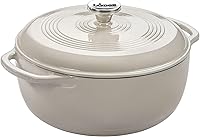
The Lodge Essential Enamel Cast Iron Dutch Oven, 6 Quart, Oyster White shows the contrast. It is a 6-quart enameled Dutch oven with a moisture-sealing lid and dual handles, stain-resistant, safe with acidic foods, and oven safe up to 500 degrees Fahrenheit.
Choose enamel for tomato sauce, wine braises, and other acidic dishes you want to clean easily. Choose bare cast iron if you want a skillet that builds character with use and sears in a way enamel cannot match.
What tools help you protect a seasoned skillet?
The right tools help you clean in seconds and handle the pan safely without scratching the surface. A stiff brush, a wooden spatula, and a silicone handle cover cover most needs.
The best lodge cast iron skillet accessories guide covers tools made to fit Lodge pans, and our guide to a best cast iron skillet handle cover explains fit and heat resistance. For outdoor use, grill tools covers cast iron on grills and over campfires.
How do you know if your seasoning is good enough?
Your seasoning is good enough when food releases with reasonable effort and the surface looks smooth, dark, and dry. You do not need a perfect black finish, since a mottled brown and black surface can cook just as well.
Test it with what you actually cook. If eggs release after a minute of heating, fish lifts in one piece, and chicken skin browns without tearing, the surface is doing its job.
If food sticks in the same spot every time, that spot needs more seasoning.
What mistakes strip seasoning fastest?
The fastest mistakes are soaking, dishwasher washing, harsh scouring pads, and long acidic simmers. Each removes bonded oil or wears it thin.
None is hard to avoid once you know the pattern.
Soap gets blamed more than it deserves. A small amount of mild dish soap with a brush rarely harms mature seasoning.
The real problems are water left standing, steel wool used aggressively, and dishwasher heat and detergent.
Smoking oil in a closed kitchen is another common error. Seasoning needs heat and ventilation.
Open a window or turn on the fan, and wipe the oil thinner than you think you need.
Which skillet should you pick for seasoning at home?
Pick the 12-inch Lodge skillet for one main pan, and the 10.25-inch Lodge skillet for smaller meals. Both arrive pre-seasoned with vegetable oil, so you can cook right away and let use build the rest.
Pick the enamel Dutch oven if you want cast iron heat retention without seasoning or rust worries. Its 6-quart size fits soups, bread, and pot roasts, but it will not build the same searing surface as a bare skillet.
Frequently asked questions
What is seasoning a cast iron skillet?
Seasoning a cast iron skillet means building a thin layer of baked-on oil on the iron. That layer helps protect the pan from rust and gives food a smoother surface to release from.
It develops through cooking and care, not from a special nonstick coating.
How often should you season a cast iron skillet?
Most home cooks season only when food starts sticking more, rust appears, or the surface looks dull and dry. Regular cooking with a little oil helps maintain seasoning between full seasoning sessions.
A new pre-seasoned skillet usually needs no immediate seasoning.
Can you ruin seasoning on a cast iron skillet?
Yes, long soaking, harsh detergents, metal scouring pads, and dishwasher washing can strip seasoning. Acidic foods cooked for long periods can also wear it down.
Normal hand washing with a soft brush usually leaves a healthy layer intact.
Is a pre-seasoned skillet ready to use?
Yes, a pre-seasoned skillet arrives ready to cook with right away. Lodge says its skillets are seasoned with 100% vegetable oil and develop a better finish with use.
You can still add seasoning later if you want more release.