How to Use a Cast Iron Skillet on an Electric Stove
Yes, you can use a cast iron skillet on an electric stove, and preheat slowly on a burner that fits the pan base for even heat. Use medium settings, add oil after heating, and handle the hot handle with protection.
On this page (10 sections)
- Can you use a cast iron skillet on an electric stove?
- How do you size the burner for a cast iron skillet on an electric stove top?
- How do you preheat a cast iron skillet on an electric stove?
- Which cast iron skillet fits electric stove cooking?
- How do you handle a hot cast iron skillet on an electric stove?
- Can cast iron skillet be used on glass stove tops safely?
- What temperature should you use for cast iron on an electric stove?
- How do you clean and season cast iron after electric stove use?
- What mistakes should you avoid with cast iron on electric stoves?
- How do you get consistent results with cast iron skillet use on electric stove?
Yes, cast iron skillet use on electric stove works well when you preheat slowly, match the burner to the pan, and cook on medium heat. Cast iron holds heat longer than thin pans, so electric burners can overheat it if you jump straight to high.
Start with the right burner, a dry pan, and a handle holder nearby. Those habits prevent uneven searing and burned hands.
Can you use a cast iron skillet on an electric stove?
Yes, you can, because cast iron works on electric, gas, induction, and grill heat. Lodge says its skillets are at home in the oven, on the stove, on the grill, or over a campfire.
An electric coil or glass top sends heat through direct contact, so placement matters more than on gas. Center the pan and keep its base flat against the surface.
A wobbling pan will cook in patches and can scratch a glass top. Pick the burner closest to the pan diameter to avoid wasted heat or cool edges.
How do you size the burner for a cast iron skillet on an electric stove top?
Choose a burner equal to or slightly smaller than the skillet base. The heated ring should sit under the main cooking surface, not the wider rim.
Measure the flat bottom that touches the stove. Center the coil or ring marking under it for steady contact.
A burner much larger than the pan heats air instead of food. One much smaller can overheat the center while edges stay raw.
Our grill tools guide helps you match cookware size to the heat source before you cook.
How do you preheat a cast iron skillet on an electric stove?
Preheat on medium heat for 3 to 5 minutes before adding food or oil. Slow heating lets the whole pan reach an even temperature.
Place the empty, dry skillet on the burner and set the dial to medium, not high. Let it sit while you prep ingredients.
Test readiness with a few drops of water. The pan is ready when water beads, sizzles, and evaporates in a few seconds.
Add oil right after the test. A thin film should shimmer and spread easily without smoking hard.
A 12 inch skillet needs more time than a 10.25 inch skillet, so give larger pans the full preheat period.
Why does preheating matter for cast iron on electric heat?
Preheating prevents sticking and gives you a crisp sear on protein. Cold cast iron lets food bond to the surface before a crust forms.
Electric burners cycle on and off, so a cold pan can sit in a cool spot for part of the cycle. A warm pan smooths out those cycles.
Fat also behaves better in a warm pan. It coats the surface instead of pooling in one spot.
Skipping the preheat is a common cause of torn fish, broken eggs, and pale steak crusts.
Which cast iron skillet fits electric stove cooking?
A pre-seasoned skillet with a flat base and a heat safe handle fits best. You want even contact, seasoning ready to use, and clear limits on handle heat.
Pre-seasoning saves the first step for new cooks. Lodge seasons its cast iron with 100 percent vegetable oil and no synthetic coatings.
A flat base matters on glass and coil tops. It keeps heat transfer steady and stops the pan from rocking.
A silicone handle holder helps you move the pan after cooking. It protects your hand, but you still need to treat the handle as hot.
Who should choose the 12 inch Lodge skillet?
Choose the 12 inch model if you cook for two to four people or sear protein in one layer. The wide surface fits steaks, chicken breasts, and vegetables without crowding.
Lodge lists this skillet as 7.5 lb with a 1.89 liter capacity. That weight gives strong heat retention, but you should slide it into place rather than drop it.
The silicone handle holder in red helps with moves from stove to table. The pan itself is oven safe, with a listed maximum temperature of 260 C.
Skip it if your burner is small or your wrists struggle with heavy pans. A smaller skillet will heat faster and lift more easily.
Who should choose the 10.25 inch Lodge skillet?
Choose the 10.25 inch model if you want faster preheating and easier lifting for one or two servings. It fits eggs, a single steak, sautéed greens, and small batches of vegetables.
Lodge lists this skillet as 5.4 lb, noticeably lighter than the 12 inch version. The assist handle helps when you move it from burner to oven.
Its seasoning is oil based for a natural, easy release finish that improves with use. Lodge says to hand wash, dry, and rub with cooking oil for care.
Skip it if you often cook for four or more. Crowding lowers pan temperature and makes food steam instead of sear.
When does an enamel Dutch oven help on an electric stove?
Pick the enamel Dutch oven when acidic foods, soups, or slow braises are the main job. Enamel stops seasoning damage from tomatoes and wine based sauces.
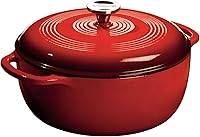
Lodge lists this pot as 6 quarts, 14.9 lb, and oven safe up to 500 degrees Fahrenheit. The enamel surface stands up to acidic ingredients and will not react with food.
Dual handles make lifting safer when the pot is full. The lid helps trap moisture for braises, bread, and slow cooked meals.
Skip it if you need a wide, shallow sear pan. A Dutch oven holds heat well, but a skillet gives more surface for crust.
For other shapes, compare best individual cast iron skillets by serving size.
How do you handle a hot cast iron skillet on an electric stove?
Use a silicone holder or oven mitt every time you touch the handle or move the pan. Cast iron stays hot long after you turn the burner off.
Set the holder on the counter before you start cooking. You should not search for it while holding a hot pan.
Use two hands when the pan is full or heavy. The 12 inch skillet at 7.5 lb and the Dutch oven at 14.9 lb both deserve a two hand lift.
Keep the handle turned inward so you do not bump it. Place the pan on a trivet or heat safe pad, not directly on a wood table.
Can cast iron skillet be used on glass stove tops safely?
Yes, but you must lower and slide the pan gently onto the glass. The main risk is impact and scratching, not heat alone.
Lift the skillet an inch above the glass, center it over the ring, and set it down slowly. Never drop it from counter height.
Avoid dragging the pan across the surface. Check that the base is smooth and flat, since a rough or warped bottom can scratch or contact poorly.
Our guide on can cast iron skillet be used on glass stove covers weight limits and cleaning tips for glass tops.
What temperature should you use for cast iron on an electric stove?
Use medium heat for most cooking, and medium low for delicate foods. Cast iron holds heat, so high power often overshoots your target.
Start on medium for steaks, chicken, burgers, and vegetables. Use medium low for eggs, fish, pancakes, and sauces with dairy.
Turn the burner down after the food is in, not before. If food browns too fast, lift the pan off the burner for 20 seconds.
For steak specific pan choices, see best cast iron skillet for steaks. For outdoor searing, check best cast iron skillet for grill.
How do you clean and season cast iron after electric stove use?
Clean while the pan is warm, dry it on low heat, and add a thin oil coat. That routine protects the seasoning and stops rust.
Let the pan cool for a few minutes, then rinse under warm water. Use a stiff brush or chain mail scrubber for stuck bits.
Use a small amount of soap if needed. Lodge says hand wash, dry, and rub with cooking oil for its skillets.
Dry the pan on the stove over low heat for a minute. Water left in cast iron can start rust.
Add a thin layer of cooking oil with a paper towel, then wipe out the excess. Repeat after acidic meals or heavy scrubbing.
For a deeper refresh, read How to Season a Cast Iron Griddle? for the same oil and heat logic. For grill based care, see How To Season A Cast Iron BBQ Grill?.
What mistakes should you avoid with cast iron on electric stoves?
Avoid high heat preheating, dropped pans, and wet storage. Those three errors cause most damage to pans and cooktops.
Do not soak a hot pan in cold water. The sudden change can warp the base and crack seasoning.
Do not store the pan with the lid on while it is damp. Moisture trapped inside leads to rust spots.
Do not assume the handle is cool because the burner is off. Do not match a large pan to a tiny burner for long braises, as the center will overheat while edges lag.
How do you get consistent results with cast iron skillet use on electric stove?
Consistency comes from matching burner size, preheating on medium, and handling the pan with care. Those steps work for searing, sautéing, frying, and baking.
Pick the 12 inch Lodge skillet for family meals, the 10.25 inch skillet for one or two servings, and the enamel Dutch oven for braises and soups.
Compare shapes in our Best Cast Iron Skillets guide before you buy. Then return to this guide for burner sizing and preheating steps.
Cast iron rewards patience on electric heat. Slow preheating, medium settings, and gentle placement give steady heat and a clean release every time.
Frequently asked questions
Can cast iron skillet be used on electric stove?
Yes, cast iron skillet use on electric stove is safe when you match the burner to the pan base and preheat slowly. Cast iron spreads and holds heat, so medium settings often do the work of high heat on lighter pans.
Use a handle holder and avoid sudden temperature changes.
How long should you preheat a cast iron skillet on an electric stove?
Preheat for 3 to 5 minutes on medium heat, then test with a few drops of water or a thin film of oil. The pan is ready when water beads and sizzles or oil shimmers without smoking heavily.
Smaller skillets need less time than larger ones.
Can you use a cast iron skillet on electric stove top with glass?
Yes, many people do, but you must slide the pan carefully and avoid dropping it on the glass surface. A smooth, flat base helps contact, and gentle placement protects the cooktop.
Check your stove manual for weight and pan rules before first use.
Why is my cast iron skillet smoking on an electric stove?
Smoke usually comes from oil heated past its smoke point or food residue left in the pan. Lower the burner, wipe the pan clean, and add a thin layer of fresh oil after heating.
Cast iron holds heat, so you rarely need full high power.