How to Use a Manual Sausage Stuffer
To use a manual sausage stuffer, load chilled ground meat into the canister, fit the casing on the nozzle, and turn the crank slowly while guiding the casing with your other hand. Keep steady pressure, stop to release air pockets, and twist links at the size you want.
On this page (11 sections)
- What do you need before you start stuffing?
- How do you load meat into a manual sausage stuffer?
- How do you put the casing on the nozzle?
- How do you crank and fill for even links?
- How do you know when a link is full enough?
- What causes bursts, air pockets, and uneven filling?
- How do you clean a manual sausage stuffer after use?
- Which prep tools help before and after stuffing?
- When should you choose a different stuffer type?
- How can you store stuffed sausage safely?
- What is the best way to remember the whole process?
To use a manual sausage stuffer, load chilled meat, place the casing on the nozzle, and crank at a steady pace while you guide the filling casing. That simple order gives you even links with fewer bursts and air pockets.
You do not need speed to get good results. Slow, steady cranking lets you feel how full the casing is and stop before it splits.
What do you need before you start stuffing?
You need chilled ground meat, prepared casings, the stuffer, and a clean work surface ready before you load anything. Warm meat smears, sticks, and bursts casings more easily.
Rinse casings in cool water and soak them as the package directs. Keep them in cool water until you are ready to load them over the nozzle.
Have a needle or clean pin nearby for air pockets. You may also want twine, a bowl of cool water, and a tray for finished links.
Read the stuffer manual for your model. Some units clamp to a table, while others sit on the counter or mount to a wall.
How do you load meat into a manual sausage stuffer?
Load the canister in small handfuls and pack out air as you add meat. That step matters more than it sounds.
Meat that goes in cold and well mixed fills more evenly. Large air gaps inside the canister turn into air pockets in the casing.
Remove the canister or hopper, add meat, and press it down lightly with clean hands or a spatula. Do not force it so hard that it warms up.
Refit the canister and attach the stuffing nozzle for your casing size. Turn the crank slowly until meat just reaches the nozzle tip.
If the recipe mixes in a stand mixer, that step is separate from stuffing. For a mixer attachment option, see how to how to use kitchenaid sausage stuffer and compare the two methods.
How do you put the casing on the nozzle?
Slide the casing on with wet hands and leave a short tail hanging past the tip. Wet hands help the casing move without tearing.
Open the end of the casing and fit it over the nozzle. Work it on in small pushes until most of the length is on the nozzle.
Leave about 4 to 6 inches off the nozzle so you have a closed end to start the link. That tail becomes the start of your first link.
If the casing sticks or twists, wet it again and ease it forward. Do not pull hard, since a small tear will open under pressure.
Choose the nozzle that matches your casing. A nozzle that is too large will stretch the casing, and one that is too small will slow the flow.
How do you crank and fill for even links?
Turn the crank slowly and guide the casing with your other hand at a steady pace. Even filling comes from matching crank speed to casing speed.
Hold the casing loosely as it fills. You should feel steady resistance, not a sudden hard stop.
Pause if the casing feels very tight. Check for air pockets, a kink, or a nozzle blockage before you add more pressure.
Keep the filled part of the casing supported on the counter or in a shallow tray. Letting a long filled section hang can stretch it and change link size.
Work in rhythm: a few crank turns, a small guide of the casing, then a check of firmness. That rhythm keeps the flow even.
How do you know when a link is full enough?
Stop when the casing feels firm with a slight spring, not rock hard. Overfilled links split, and underfilled links look loose and cook dry.
Think of the feel of a firm cushion. The casing should hold its shape and show the fat specks through it.
Twist the filled casing to form a link at the length you want. Pinch and twist again to close the next link.
Prick any visible air bubbles with a clean needle. Small bubbles can expand in heat and split the casing while cooking.
Let finished links rest in the fridge uncovered for a short time if your recipe calls for it. Resting helps the casing dry slightly and the flavors blend.
What causes bursts, air pockets, and uneven filling?
Most problems come from warm meat, fast cranking, or too much pressure. Each problem has a simple fix before you start.
Warm meat washes out and packs poorly. Keep the bowl of meat over ice while you stuff, and work in small batches.
Fast cranking pushes meat faster than the casing can take it. Slow down when resistance rises, and let the casing fill at its own pace.
Dry meat needs more liquid or fat, depending on your recipe. Follow the recipe amounts rather than adding extra on the fly.
A kink in the casing stops flow and raises pressure. Straighten the casing and guide it from a few inches away from the nozzle.
If a casing tears, stop and cut away the torn section. Start a new link rather than trying to patch the old one.
How do you clean a manual sausage stuffer after use?
Take the stuffer apart, wash all parts in warm soapy water, and dry them fully. Meat residue left in seams can spoil the next batch.
Remove the nozzle, canister, and any gaskets or seals. Wash them by hand unless the manual allows the dishwasher.
Use a small brush for the nozzle opening and the canister rim. Dry everything with a clean towel before you reassemble or store it.
Check rubber seals and gaskets for cuts or warping. A damaged seal leaks pressure and makes filling uneven.
Store the stuffer dry and loose, not tightly assembled if the manual advises that. Keep nozzles with the unit so you do not lose the size you need.
For storage of the finished sausage, a vacuum sealer can help you freeze links in flat packs. Seal only food you plan to freeze or cook promptly, and follow safe food storage times.
Which prep tools help before and after stuffing?
Good prep tools make the whole job safer and faster. Trim meat cleanly, portion it cold, and cut links with a tool made for the job.
The Victorinox Fibrox Pro boning knife has a curved, semi-stiff blade that follows bone and thick cuts. Its Fibro Pro handle gives a non-slip grip, even when wet.
That shape suits trimming pork shoulder or beef before you grind it for sausage. A pointed tip pierces meat, and the curve helps you work around bone with control.
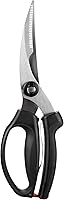
The OXO Good Grips Spring-Loaded Poultry Shears have micro-serrated stainless steel blades and a spring-loaded handle. The spring action cuts with less hand strain on tough jobs.
You can use them to trim fat, snip casing tails, or separate links. The blades come apart for cleaning, and a handle lock keeps them closed in storage.
For choosing the stuffer itself, start with best sausage stuffers for home use. That guide covers size, nozzle options, and mounting so you can match the model to your batch size.
When should you choose a different stuffer type?
Choose a manual stuffer for small batches, and look at powered or larger models for frequent large batches. Your time matters as much as the price.
A hand crank gives you direct feel for casing firmness. That feel helps beginners learn the right fill level.
If you often stuff more than a few pounds at a time, cranking gets tiring. A larger or powered unit may save time, so compare the best manual sausage stuffer picks first.
For very large or commercial volumes, see best commercial sausage stuffer options. Those models suit makers who stuff by the case, not by the family dinner.
After stuffing, cook links promptly or chill them safely. For grilling help, see How To Gas Grill Sausage? and How Long To Grill Sausage On Gas Grill? for times and heat cues.
How can you store stuffed sausage safely?
Chill fresh links right away and cook or freeze them within safe times. Food safety depends on keeping raw sausage cold from stuffer to fridge.
Place links in a single layer on a tray, chill them, then wrap or bag them. That shape freezes faster and thaws more evenly.
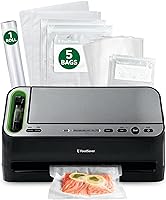
For freezing, {{product B00DI342B4 | A 2-in-1 vacuum sealer with automatic bag detection for freezing stuffed sausage in flat, airtight packs.}}
The FoodSaver V4400 2-in-1 Vacuum Sealer Machine has automatic bag detection and a built-in roll storage and cutter. It lets you make custom bag sizes for links and other prep-ahead foods.
FoodSaver says meat preserved with its system in the freezer can last up to 3 years and still taste fresh. Follow your recipe and local food safety guidance for how long to keep your sausage.
Label each pack with the date and recipe. Thaw frozen links in the fridge, never on the counter, and cook them until the center reaches a safe temperature.
What is the best way to remember the whole process?
Cold meat, wet casing, slow crank, firm but not hard. That short checklist covers most of what goes right or wrong.
Load in handfuls, fit the casing with wet hands, and crank while you guide. Stop to prick air bubbles and twist links as you go.
Clean the stuffer right after you finish, while residue is still soft. Dry all parts fully before storage.
If you want a second opinion on models, check the best manual sausage stuffer guide before you buy a new unit. For mixer users, the how to use kitchenaid sausage stuffer post shows a different setup.
Start with a small batch and a simple recipe. Once you learn the feel of a full casing, larger batches get much easier.
Frequently asked questions
How do you load a manual sausage stuffer?
Remove the canister or hopper, add chilled ground meat in small handfuls, and pack out air as you go. Refit the canister, attach the nozzle, and turn the crank a few times to bring meat to the tip before fitting the casing.
Why do sausages burst when stuffing by hand?
Sausages burst when meat is too warm, too dry, or packed too tight, or when you crank too fast. Keep meat cold, add enough liquid or fat for the recipe, and fill only until the casing feels firm with a slight give.
How tight should sausage casings be filled?
Fill casings until they feel firm but not hard, with no large air pockets. A link that springs back slowly is usually right.
You can prick small air bubbles with a clean needle and let the link rest before cooking.
Can a manual stuffer handle large batches?
A manual stuffer suits small to medium batches well, but cranking for many pounds takes time and arm effort. If you make sausage often or in large amounts, compare the best manual sausage stuffer options and larger models before you buy.