Can a Vacuum Sealer Use Any Bag?
No, a vacuum sealer cannot use just any bag. Most external clamp sealers need textured vacuum sealer bags so air can travel out before the seal closes, while chamber, zipper, canister, and handheld systems each have their own bag rules.
On this page (9 sections)
- Can a vacuum sealer use any bag at home?
- What makes a bag vacuum sealer compatible?
- Do chamber vacuum sealers accept more bag types?
- Why do handheld sealers need special bags?
- How do you pick the right bag for meat?
- Are vacuum sealer bags reusable for leftovers?
- What happens if you use the wrong bag?
- How do you use vacuum sealer bags the right way?
- Can a vacuum sealer use any bag, and which should you buy?
No, a vacuum sealer cannot use just any bag. Most external clamp sealers need textured vacuum sealer bags to pull air out, and the wrong bag can trap air, fail to seal, or melt in the sealing bar.
Match the bag to the machine first, then match the size to the food. If the bag lacks texture, a zipper port, and chamber strength, it is probably not made for vacuum sealing.
Can a vacuum sealer use any bag at home?
Can a vacuum sealer use any bag? No, because the bag is part of the system.
The sealer, bag surface, and heat seal must work together under suction.
A produce bag is too thin and smooth. A sandwich zip bag may hold air in corners and may not melt into a reliable seal.
Even a strong freezer bag can fail if its walls collapse flat and block airflow.
That is why roll stock and pre-cut vacuum bags have a textured pattern. The texture keeps tiny air paths open while the machine pulls.
Your FoodSaver V4400 2-in-1 Vacuum Sealer Machine is an external system, and it works with FoodSaver 8 inch and 11 inch vacuum seal rolls, all pre-made bag sizes, FreshSaver zipper bags, Fresh containers, and the Quick Marinator.
If you are still deciding between machines, our guide to a vacuum sealer explains the main types before you buy bags for one.
What makes a bag vacuum sealer compatible?
A bag works when its surface, thickness, and seal edge match the machine. Texture matters most on external clamp sealers.
Heat strength matters on every model that seals the bag closed.
Look for three things first. The bag should have an embossed or textured side for external sealing.
The seal edge should be smooth, dry, and wide enough for the sealing bar. The bag should be strong enough not to wrinkle into the seal area.
Size matters too. A bag too wide for the chamber or too long for the machine can fold into the seal.
A bag too short can pull food into the sealing bar.
FoodSaver's system uses different pieces for different jobs. Rolls let you cut a custom length, pre-made bags save that step, and zipper bags pair with the handheld sealer.
Do chamber vacuum sealers accept more bag types?
Yes, chamber sealers accept more bag types because they pull air from inside a sealed chamber. The food and bag sit inside the chamber, so the bag does not need texture to move air.
This is the big exception to the rule. A chamber sealer can often handle smooth pouches and some regular plastic bags that an external sealer would choke on.
There are limits. If you want the chamber sealer to heat seal the bag closed, the bag still needs a sealable layer.
Some thin bags will seal, but the seal may be weak or brittle.
Chamber machines also cost more and take more counter space. They suit people who seal often or seal liquids.
Why do handheld sealers need special bags?
Handheld sealers need bags with a port because they pull air through one small nozzle. There is no clamp, no sealing bar, and no chamber to do the work for you.
A zipper bag made for a handheld sealer has a valve or port that the nozzle can press onto. The handheld unit pulls air through that port, then you close the zipper or valve to hold the vacuum.
A regular zip bag has no port, so the handheld nozzle has nothing to grip. The FoodSaver V4400 includes both an external sealer and a handheld sealer, and its starter kit includes quart and gallon zipper bags for that handheld side.
Use the external side for rolls and pre-made bags you seal closed. For a full walkthrough, see how to use a vacuum sealer machine.
Use the handheld side for zipper bags and containers.
How do you pick the right bag for meat?
For meat, pick a bag sized for the cut, with room for the seal. Meat needs a strong bag because bones and edges can puncture thin plastic, and because you want the bag to stay flat in the freezer.
Start with pre-cut bags for steaks, chops, and ground meat portions. They save time and reduce waste from a roll.
Use roll stock for a roast, a whole chicken, or odd-shaped cuts that do not fit a standard size.
Our list of the best vacuum sealer bags for meat can help you compare sizes and roll widths. For general rolls and pre-cut bags, see the best vacuum sealer bags for food guide.
Prep the meat before bagging. Trim fat, pat the surface dry, and shape portions so they stack flat.
A Victorinox boning knife helps here because its 6 inch curved, semi-stiff blade is made to trim and remove meat close to the bone.
Can you vacuum seal meat with bones?
Yes, but pad sharp bone edges first. A bone can poke through a bag during sealing, storage, or thawing, and one small hole breaks the vacuum.
Place a small piece of heavy-duty wrap or folded butcher paper over sharp bone ends. Keep the bone away from the seal edge.
Do you need to freeze meat before vacuum sealing?
You do not need to freeze meat before sealing, but partial freezing helps with liquids. A firm surface is easier to keep out of the seal area.
Chill the meat until it is very cold, then bag it. Wipe the seal edge dry before sealing.
For soups and sauces, freeze them flat in a tray first, then transfer them to a bag.
Are vacuum sealer bags reusable for leftovers?
Some bags are reusable, but only when they are clean, dry, and undamaged. Reuse fits dry foods, frozen foods, and items that did not leave residue in the seams.
Wash a reusable bag in warm soapy water, rinse it well, and let it dry fully. Check the seal edge, corners, and any creases for tears or thinning.
Do not reuse a bag that held raw meat, poultry, or seafood. Small folds can hold bacteria that washing may not reach.
Do not reuse a bag with a weak seal, a burnt spot, or a puncture.
Our guide on are vacuum sealer bags reusable covers which foods are safe to reuse and which ones are not. When in doubt, use a fresh bag.
What happens if you use the wrong bag?
The wrong bag usually fails in one of four ways. It traps air, seals weakly, melts wrong, or punctures.
Each failure wastes food and time.
Trapped air leaves food exposed to oxygen, so freezer burn and off flavors can show up sooner. A weak seal can open in the freezer or fridge.
A melted spot can turn into a hole.
You can spot trouble right away. The bag should pull tight around the food with no big air pockets.
The seal should be smooth and even, with no wrinkles crossing it.
Stop and reseal with a fresh bag if the first attempt looks wrong. Cutting off a bad seal and resealing the same bag often leaves too little material.
How do you use vacuum sealer bags the right way?
Start with the right bag, then follow how to use vacuum sealer bags step by step. Good prep matters as much as the machine settings.
Fill the bag about three quarters full for most foods. Leave the open end flat and dry.
For moist foods, leave extra headspace so liquid does not reach the seal. Lay the bag flat so the food sits away from the opening.
Insert the open end into the external sealer, close the clamp, and let the machine run its cycle. For a machine like the FoodSaver V4400, automatic bag detection and moisture detection help it choose the right mode.
Still check the seal after the cycle ends.
After sealing, inspect the bag, label it with the food and date, and store it flat. Our full walkthrough on how to use vacuum sealer bags shows the order for rolls, pre-cut bags, and zipper bags.
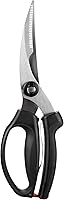
OXO poultry shears can help before bagging. Their curved, tapered blades and spring loaded handles suit cutting chicken and other poultry into portions that fit a bag.
The blades separate for cleaning.
How long should the bag be for a roll?
Cut the roll a few inches longer than the food. That extra length gives you room for the seal and keeps food out of the sealing bar.
For flat items like steaks, add about 3 to 4 inches. For bulky items like a whole chicken, add more so the bag can wrap without stressing the seal.
Can a vacuum sealer use any bag, and which should you buy?
Can a vacuum sealer use any bag? No, buy bags made for your exact sealer type.
External clamp sealers need textured bags, handheld sealers need ported zipper bags or containers, and chamber sealers give you the most choice.
If you own an external sealer, stock textured rolls and pre-cut bags in the sizes you use most. If you want handheld sealing for lunch bags and containers, add ported zipper bags.
If you seal a lot of liquids or want smooth pouches, look at a chamber model.
For machine basics, read how to use vacuum sealer machine before your first batch. For bag care, read how to use vacuum sealer bags and are vacuum sealer bags reusable.
Two unrelated links can still help at the grill. Can Any Propane Grill Be Converted To Natural Gas? covers fuel conversions, and How Long Does a Bag of Wood Pellets Last? helps you plan a long cook.
Both fit better after your meat is trimmed, portioned, and sealed.
Frequently asked questions
Can a vacuum sealer use any bag?
No. Most external clamp sealers need textured vacuum sealer bags because the texture gives air a channel to escape before the heat seal closes.
Smooth grocery bags, zip bags without a vacuum port, and thin produce bags often trap air or melt unevenly.
Chamber sealers are more flexible, and handheld models need bags or containers made for that handheld nozzle.
Why do vacuum sealer bags have a textured side?
The texture creates tiny channels across the bag surface. An external sealer pulls air from the open end, and those channels help air keep moving past the food instead of collapsing flat against it.
Without them, the bag can crimp shut early and leave a weak vacuum.
Can I use regular plastic bags in a chamber vacuum sealer?
Often yes, because a chamber sealer pulls air from the whole chamber rather than through the bag opening. The bag still has to survive the heat seal step if you seal it closed, so test a spare first.
Thin bags may wrinkle, burn, or fail to form a strong seal.
Are vacuum sealer bags reusable?
Some clean, dry bags can be reused for dry or frozen foods when they show no tears or deep creases. Bags that held raw meat, fish, or moist foods should not be reused because washing cannot always clean every fold.
Check the bag after washing and drying, and discard it if the seal area is damaged.