Can a Meat Slicer Cut Through Bone?
No, a home meat slicer cannot safely cut through bone. A slicer is built for thin, even slices of boneless meat, so remove the bone first and use a boning knife, shears, or a saw made for bone.
On this page (9 sections)
- What stops a meat slicer from cutting through bone?
- Is there any meat slicer that will cut through bone?
- How do you remove bone before you slice the meat?
- Which boning knife helps you work around bone?
- When do poultry shears handle bone better than a knife?
- What safety gear should you use with a slicer and a knife?
- How do you get even slices after the bone is out?
- How should you store meat you sliced at home?
- What should you never force through a slicer?
No, a home meat slicer cannot safely cut through bone. A meat slicer that cuts through bone is not a safe home tool, because slicers are designed for boneless meat only.
Bone can damage the blade, break the guard, jam the carriage, and throw fragments toward you.
Use a slicer after the bone is out. Remove bone with a boning knife for red meat, poultry shears for chicken joints, or a bone saw for thick bones, then chill the meat and slice it in thin, even pieces.
What stops a meat slicer from cutting through bone?
The blade stops it, along with the guard and the way the carriage moves. A slicer blade is thin and fast for cutting soft meat, so hard bone can chip the edge or force the blade out of true.
The guard sits close to the blade to protect your fingers. Bone can crack or bend that guard, leave a gap, and turn a controlled cut into a dangerous one.
The carriage also matters. It holds meat at a set thickness and slides back and forth, so bone makes the meat rock or catch.
That movement can stall the motor, bend the blade, or pull the meat loose.
Home slicers in our guide to best meat slicers for home use all share this limit. They are for boneless roasts, deli meats, and firm cheeses, not for bone-in cuts.
Is there any meat slicer that will cut through bone?
No home slicer is made for that job. Even larger shop slicers are built to slice boneless meat at a set thickness, not to saw through bone.
A band saw or a reciprocating saw with a suitable blade is the tool for thick bone. Those tools cut by a different action and do not rely on a thin slicing blade or a food guard.
Butchers also split bones with cleavers and saws, and they do that work on a stable block with cut-resistant protection. Home cooks should not copy that setup with a slicer.
If a seller claims a slicer cuts bone, treat that as a warning sign. Ask what the blade, guard, and warranty allow, and follow the manual for the meat types it names.
How do you remove bone before you slice the meat?
Start with a boning knife and a stable cutting board. Keep the meat cold, steady it with a fork or your non-cutting hand, and work in short, controlled strokes.
Slide the tip between the meat and the bone, then angle the curved edge so it hugs the bone. Let the blade do the work while you keep light pressure, and turn the meat instead of forcing the knife.
For beef, pork, and lamb, a semi-stiff blade gives you control on thick meat. For chicken, poultry shears can handle small joints and soft bone ends, but they will not replace a saw for thick bone.
Our guide to how to use meat slicer machine covers setup after deboning. Once the bone is out, chill the meat, set the thickness, and slice with the carriage moving in smooth passes.
Which boning knife helps you work around bone?
Choose a curved boning knife with a semi-stiff blade for most red meat. The curve follows ribs and leg bones, and the pointed tip starts the cut between meat and bone.
The Victorinox Fibrox Pro boning knife has a 6-inch stainless steel blade and a curved, semi-stiff profile. That shape suits thick beef or pork while still allowing a delicate touch near the bone.
Its Fibrox Pro handle is shaped for a non-slip grip, even when wet. Victorinox states the knife meets NSF standards, which matters when you clean and store it between jobs.
Use it for deboning, trimming fat, and removing membranes before slicing. It will not cut through thick bone, and that limit is a safety feature, not a flaw.
Keep the edge sharp with a steel or a sharpener made for kitchen knives. A dull blade skates on meat and needs more force, which raises the risk of a slip.
When do poultry shears handle bone better than a knife?
Poultry shears help with chicken and turkey joints, wing tips, and small soft bones. The curved blades reach into tight spots, and the notch holds a bone in place while you cut.
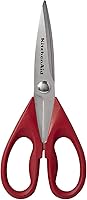
The OXO Good Grips Spring-Loaded Poultry Shears have stainless steel, micro-serrated blades with a 4.75-inch blade length. Spring-loaded handles add leverage and reduce hand strain during longer prep.
Shears also trim fat, cut through cartilage, and portion a bird for grilling. They are less useful for thick beef bones, where a saw or a butcher is the safer choice.
For a T-bone steak, shears do not solve the problem at all. Learn How To Grill T Bone On Gas Grill? or How To Grill T Bones On A Gas Grill? and cook the bone in, while slicing only boneless cuts.
Separate the blades for cleaning, as OXO describes. The handle lock keeps the shears closed in a drawer, which helps prevent nicks and accidental cuts.
What safety gear should you use with a slicer and a knife?
Use cut-resistant gloves on the hand that holds the meat. A glove does not make bone safe to slice, but it slows a slip while you debone or feed the carriage.
Our guide to best meat slicer gloves explains what to look for in fit and coverage. Choose a pair that stays snug so it does not catch on the blade or the carriage edge.
Keep your holding hand flat on top of the meat and away from the blade path. Use the pusher or holder that came with the slicer, and never reach past the guard to steady a rocking piece.
Unplug the slicer before you change the blade, clean the guard, or clear a jam. Let the blade stop fully, then work with the guard in place.
Stop right away if meat slips, the blade sounds different, or the carriage jerks. That change often means bone, gristle, or a loose piece is in the path.
How do you get even slices after the bone is out?
Chill boneless meat until it is firm but not frozen. Firm meat holds its shape on the carriage and gives you thinner, more even slices.
Trim fat and membranes first, then shape the piece so it sits flat. A roast that rocks will give you thick and thin slices in the same pass.
Set the thickness dial before you start, and keep the carriage speed steady. Short, smooth passes work better than hard pushes, and they reduce heat and tearing.
For lunch meat, our best lunch meat slicer guide covers blade settings and dwell time. Deli meats slice best at a thin setting, while roasts and cheeses need a slightly thicker cut.
Slice only what you will use soon, or seal the rest at once. Thin slices have more surface area, so they dry out and spoil faster than a whole roast.
How should you store meat you sliced at home?
Portion sliced meat into meal-sized packs and chill or freeze them right away. Small packs keep the rest of the meat cold while you use one portion.
A vacuum sealer removes air from the bag and helps protect frozen meat from freezer burn. The FoodSaver V4400 has automatic bag detection, a built-in roll cutter, and a removable drip tray for moist foods.
FoodSaver states meat preserved in its system in the freezer can last up to 3 years and still taste fresh. Fridge packs last up to weeks instead of days, according to FoodSaver, so check the date and the smell before you cook.
Label each pack with the meat type, slice thickness, and date. Use older packs first, and thaw frozen packs in the fridge rather than on the counter.
Clean the slicer blade and carriage after each use, following the manual. Dry all parts fully before you store them, since moisture dulls the edge and invites rust.
What should you never force through a slicer?
Never force bone, frozen meat, metal skewers, or hard gristle through a slicer. Each one can chip the blade, crack the guard, or jam the carriage.
Frozen meat is a common mistake. It can stall the motor and leave a jagged edge, so thaw it in the fridge until it is firm but flexible.
Large fat caps and sinew can also catch and pull. Trim them off with a boning knife, then slice the clean meat in a controlled pass.
If a piece will not feed smoothly, stop and trim it. A smaller, flatter piece slices safely, while a forced piece risks the blade and your hand.
When in doubt, ask a butcher to debone or split the cut. That short step protects your slicer, your hands, and the quality of the slices you want.
Our score weighs specs, features and buyer feedback against what you're shopping for. For this question, the safest pick is the tool that removes bone before slicing, not a slicer that tries to cut through it.
Pick a boning knife if you debone beef, pork, or lamb. Pick poultry shears if you portion chicken and small joints.
Pick a vacuum sealer if you slice in bulk and store the meat in portions.
Frequently asked questions
Can a home meat slicer cut through bone?
No, a home meat slicer cannot safely cut through bone. The blade, guard, and carriage are made for boneless meat, so bone can chip the edge, crack the guard, or jam the carriage.
Remove bone with a boning knife, poultry shears, or a bone saw instead.
What knife should I use to remove bone before slicing?
Use a curved boning knife with a semi-stiff blade for beef, pork, and lamb. Its narrow tip follows the bone while the curved edge trims meat close to the surface.
Work slowly, keep the blade in contact with the bone, and stop if the meat shifts.
Can poultry shears cut through chicken bones?
Poultry shears can cut small, soft chicken bones in joints and wing tips, but they are not a saw for beef bones. The notched blades hold small bones in place for controlled cuts.
For thick beef or pork bones, use a proper bone saw or ask a butcher.
How should I store sliced meat after deboning?
Chill sliced meat promptly and seal it in portions for the fridge or freezer. A vacuum sealer removes air and helps prevent freezer burn on frozen meat.
Label each pack with the meat type and date so you use older packs first.