How to Use Meat Tenderizer Powder
To use meat tenderizer powder, weigh the meat, measure the powder by the label amount, coat every surface evenly, and rest it for the stated time. Rinse or cook it as directed, and use a thermometer to finish the meat safely.
On this page (10 sections)
- What is meat tenderizer powder and what is meat tenderizer seasoning?
- How do you measure meat tenderizer powder by weight?
- How do you apply powdered tenderizer before cooking meat?
- How long should you leave tenderizer powder on each cut?
- Which cuts work best with meat tenderizer powder?
- What mistakes make meat tenderizer powder fail?
- What tools help you prep meat before and after tenderizing?
- How do you choose the right meat tenderizer tool for the job?
- How should you store meat after using tenderizer powder?
- What is the best way to use meat tenderizer powder for grilling?
To use meat tenderizer powder, weigh the meat, measure the powder by the label amount, coat every surface evenly, and rest it for the stated time. Cook the meat to a safe temperature, and do not add extra powder to fix a tough cut.
Meat tenderizer powder is not a marinade. It is a dry enzyme blend that starts breaking down protein as soon as it meets moisture.
What is meat tenderizer powder and what is meat tenderizer seasoning?
Meat tenderizer powder is the enzyme part, and meat tenderizer seasoning is that powder mixed with salt and spices. Plain powder lets you control the flavor.
Seasoning blends add taste, but they can also make dose harder to judge.
Common enzymes include papain and bromelain. Papain comes from papaya, and bromelain comes from pineapple.
Both act on the surface of the meat, not deep inside a thick roast. It can soften the outside and help a thin steak feel less chewy.
It will not turn a whole tough roast tender through the center.
If you want a liquid option, compare a best meat tenderizer marinade before you buy. A marinade can add flavor while it works, but it also needs time and fridge space.
How do you measure meat tenderizer powder by weight?
Weigh the meat first, then measure the powder for that exact weight. Spoon measures vary, and a light handful from one container is not the same as a spoon from another.
Read the label for the amount per pound or per kilogram. Do the math for your piece of meat, even if it is a little over or under one pound.
Mix the powder with a little water or oil only if the label allows it. Some blends are meant to go on dry.
Use a small scale if you have one. If you do not, use the measuring spoon the label names and level it.
Do not heap the spoon and hope for the best.
A best meat tenderizer powder roundup can help you compare labels before you shop. Look for clear dose, time, and rinse directions.
How do you apply powdered tenderizer before cooking meat?
Sprinkle the measured powder over all sides, rub it in lightly, and let the meat rest for the label time. Work in a clean dish, not on the board you will use later for cooked food.
Start with the meat at a safe fridge temperature. Pat very wet meat dry so the powder can grip.
Turn the meat so the powder touches every face. Chicken pieces need the skin side and the underside covered.
Do not pierce the meat just to help the powder in. Holes can let juices escape and spread surface bacteria into the meat.
After the rest, cook the meat right away or follow the label on rinsing. Some brands want you to cook with the powder on.
Others work better if you pat or rinse the surface first.
How long should you leave tenderizer powder on each cut?
Use the time for that cut on the label, not a guess from another recipe. Thin meat needs less time.
Thick meat still only gets surface action.
A thin steak or cutlet may need only minutes. Chicken breast needs care because soft and mushy can happen quickly.
Set a timer. Powder left on too long can turn the bite pasty, and some people taste bitterness after long rests.
If you are grilling, the rest time is a good point to check your setup. Readers who cook over gas can review can you smoke meat on a gas grill before you start.
Do not hold seasoned raw meat at room temperature while you wait. Keep it in the fridge if the rest time is long.
Which cuts work best with meat tenderizer powder?
Powder works best on thin, naturally tender cuts and on chicken pieces that need a softer bite. It suits steaks and cutlets better than large roasts.
Beef steaks are a common use. Pork chops and veal cutlets can also benefit when they are thin.
For chicken, use a best meat tenderizer for chicken guide to match dose to breast, thigh, or tenders. Each part has a different thickness and fat level.
Tough cuts with lots of connective tissue are a poor match. A braise or long low cook is usually better for those cuts.
Ground meat is also a poor match. Save the powder for whole pieces.
What mistakes make meat tenderizer powder fail?
The top mistakes are too much powder, too much time, and uneven coating. More powder does not mean more tender.
It often means bitter flavor.
A second mistake is skipping the scale. A tablespoon from one brand can hold much more powder than a tablespoon from another.
A third mistake is coating only the top. The bottom side stays tough, and the bite feels uneven.
A fourth mistake is adding powder to meat that is already salted. Seasoning blends can stack salt fast.
A fifth mistake is cooking tough meat to a low temperature to keep it juicy. Use how to use a meat thermometer to check the center.
What tools help you prep meat before and after tenderizing?
A boning knife, poultry shears, and a vacuum sealer each solve a different prep job around tenderizing. None of them replaces the powder, but each can make the work cleaner.
A boning knife helps you trim fat or remove small bones before you coat the meat. For larger cuts, learn meat slicer bone limits.
The Victorinox Fibrox Pro has a 6 inch stainless steel blade and a non-slip Fibro Pro handle. Its curved, semi-stiff blade suits delicate work around bones.
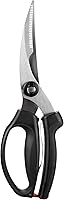
The OXO Good Grips shears have curved, tapered stainless blades and a spring-loaded handle. They can trim pieces to even thickness, which helps powder work evenly.
For storage after prep, a vacuum sealer can seal raw meat for the fridge or freezer. Seal it before you add powder.
The FoodSaver V4400 has automatic bag detection, a built-in roll cutter, and a removable drip tray.
How do you choose the right meat tenderizer tool for the job?
Pick the tool by the cut, not by the package. A knife suits trimming, shears suit poultry, and a sealer suits storage.
For even cooked slices, see meat slicer instructions.
If you want to flatten a cutlet, a best meat tenderizer tool page can help you compare mallets and jaccards. Those tools change thickness or pierce the meat.
If you want a clean trim before powder, the best victorinox boning knife guide can help you match blade shape to the job. A curved blade follows bones better than a straight chef knife.
Keep tools clean between raw and cooked food. Wash hands, boards, and knives after raw meat work.
How should you store meat after using tenderizer powder?
Cook tenderized meat the same day when you can, and refrigerate raw meat promptly if you must wait. Powder does not make raw meat safe to leave out.
If you need to hold the meat, cover it and keep it at 40°F or below. Use the label time as the limit for the rest, not as a storage guide.
For longer storage, freeze the meat before you add powder when possible. Thaw it in the fridge, then coat and cook it.
Once cooked, refrigerate leftovers within 2 hours. Reheat to a steaming hot temperature.
If you seal raw portions for the freezer, a vacuum sealer can help reduce air around the meat. The FoodSaver V4400 above is built for that storage job.
What is the best way to use meat tenderizer powder for grilling?
For grilling, coat the meat evenly, rest it for the label time, and cook it fast to the safe temperature. Powder helps the surface, but heat still decides the final bite.
Thin steaks and chicken pieces do best over direct heat. That heat sets the surface and keeps the center from overcooking.
Keep the grill lid closed as much as you can. A thermometer gives you a better check than time alone.
If the powder makes meat weep liquid, pat it dry before it hits the grill. A dry surface browns better.
When you are done, clean the grates while they are still warm. Residue from seasoned meat can burn and affect the next cook.
Frequently asked questions
What is meat tenderizer powder?
It is a dry blend, often with papain from papaya or bromelain from pineapple, that breaks down protein on the surface of meat. It works only where it touches, so even coating and the time on the label matter more than piling it on.
What is meat tenderizer seasoning?
It is powdered tenderizer mixed with salt and other seasonings. You still need to follow the tenderizer dose on the label, because the seasoning blend can make meat salty or bitter if you use too much.
How long should tenderizer powder stay on meat?
Use the time printed for that product and that cut. Thin steaks and chicken often need less time than thick roasts, and leaving powder on too long can turn the surface soft or bitter.
How much meat tenderizer powder per pound?
There is no single safe amount for every brand. Check the label for its dose per pound, weigh the meat, and measure the powder instead of guessing with a spoon.
Should you rinse meat after using tenderizer powder?
Rinse only if the label tells you to. Some powders are meant to stay on during cooking, while others work best when you pat the meat dry after the rest time.