
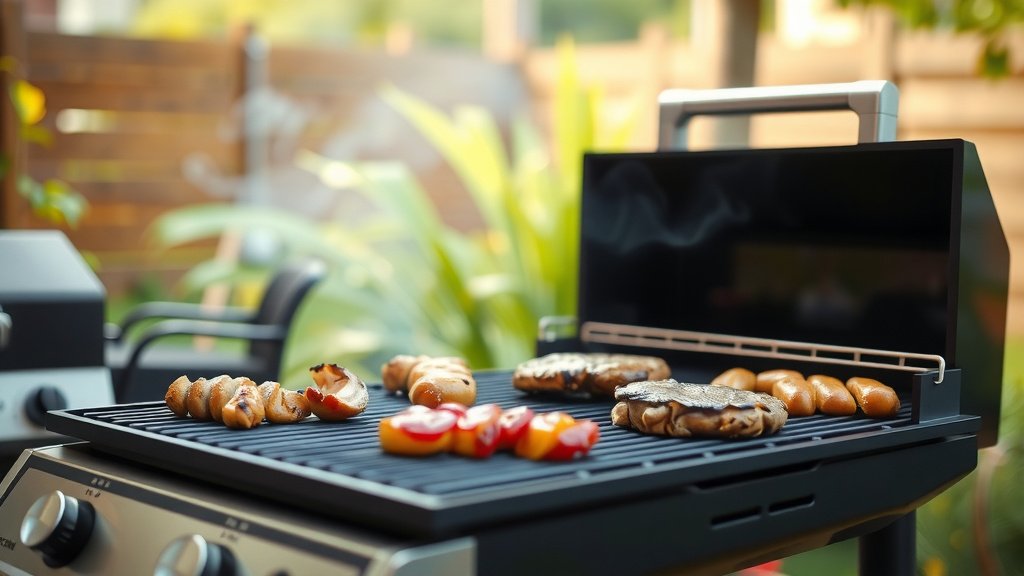
Yes, you absolutely can smoke meat on a gas grill, transforming your standard barbecue into a functional smoker with a few simple additions.
While a gas grill won’t replicate a dedicated offset smoker, it provides a convenient and effective way to infuse delicious smoky flavor into your favorite foods.
- You can smoke meat on a gas grill using wood chips and a two-zone setup.
- Achieve smoky flavors by creating a smoke pouch from foil or using a smoker box.
- Temperature control is key; aim for low, consistent heat for best results.
- Ideal for ribs, chicken, pork shoulder, and other cuts requiring indirect heat.
- It offers a great entry point into smoking without needing extra equipment.
Can You Smoke Meat On A Gas Grill?
You can certainly smoke meat on a gas grill. This method lets you add that wonderful smoky depth to your food using equipment you likely already own.
Why Even Think About Smoking on a Gas Grill?
Perhaps you love that smoky taste but don’t want to buy a whole new smoker. Maybe you have limited space on your patio. Using your gas grill is a smart way to get started.
Many home cooks find it a practical solution. You get the best of both worlds: the convenience of gas with a hint of authentic smoke flavor. It’s an excellent stepping stone into the smoking world.
The Key Ingredients for Gas Grill Smoking
To smoke on a gas grill, you need a few basics. Wood chips are your flavor powerhouse, and a simple foil pouch or smoker box helps create the smoke. A water pan is also highly recommended for moisture.
Choosing Your Wood Chips
Wood chips come in many varieties, each offering a distinct flavor profile. For example, hickory gives a strong, bold taste, while applewood offers a milder, sweeter smoke.
Oak is a versatile choice, great for many meats. Consider what meat you’re smoking. Many experts recommend pairing wood type with your main ingredient for the best flavor match (Cook’s Illustrated).
Preparing Your Wood Chips
Some people swear by soaking wood chips in water for 30 minutes before use. This can help them burn slower and produce smoke for a longer period. Others prefer dry chips for quicker, more intense smoke.
We found that both methods work. The key is to experiment and see what you prefer for your specific grill and recipe. Just make sure the chips are not too wet, or they may steam instead of smoke, according to many barbecue forums.
Setting Up Your Gas Grill for Smoking
The secret to smoking on a gas grill is creating distinct heat zones. You want one area for heat and another for the meat. This is often called the two-zone grilling method.
Turn on one or two burners to low or medium-low heat. Keep the other burners off. Your meat will cook slowly over the unlit side, absorbing that fantastic smoke.
Making a DIY Smoke Pouch
A smoke pouch is easy to make. Take a handful of prepared wood chips and wrap them tightly in heavy-duty aluminum foil. Poke several holes in the top with a fork for the smoke to escape.
Place this pouch directly over the lit burner. Once it starts smoking, you’re ready to add your meat. You can also use a dedicated metal smoker box for repeated use and convenience.
Adding a Water Pan
A disposable aluminum pan filled with hot water serves a few purposes. It adds moisture to the grill, which helps keep your meat from drying out. It also helps stabilize the temperature, creating a more consistent cooking environment.
Place the water pan directly under the grates on the unlit side of your grill. This setup cradles your meat in a moist, smoky cloud. You can also add some apple cider vinegar or beer to the water for extra flavor.
Temperature Control is Everything
For smoking, you want low and slow. Aim for a grill temperature between 225°F and 275°F (107°C to 135°C). Maintaining this range is critical for tender, flavorful results.
Use your grill’s built-in thermometer, but also consider a separate, accurate grill thermometer placed near your meat. This gives you a more precise reading where it counts, ensuring you don’t overcook or undercook.
Monitoring Your Meat’s Internal Temperature
The only true way to know if your meat is done is by checking its internal temperature. A good quality digital meat thermometer is your best friend here. Always insert it into the thickest part of the meat, avoiding bones.
Different meats have different target temperatures for doneness and tenderness. Research your specific cut for the safest and tastiest outcome (USDA guidelines).
What Can You Smoke on a Gas Grill?
Many cuts of meat are fantastic for gas grill smoking. Think of anything that benefits from low, slow cooking. Ribs, pork shoulder for pulled pork, and whole chickens are popular choices.
Beef brisket can be done, but it requires a lot of patience and temperature management. Even fish like salmon or vegetables like corn on the cob can benefit from a kiss of smoke.
Gas Grill Smoking vs. Dedicated Smokers
While a gas grill is versatile, it does have differences compared to a dedicated smoker. Here’s a quick look:
| Feature | Gas Grill Smoking | Dedicated Smoker |
|---|---|---|
| Cost | Low (uses existing grill) | Moderate to High (new equipment) |
| Setup Time | Quick and easy | Can be longer, more involved |
| Temperature Control | Good, but requires monitoring | Excellent, often more stable |
| Smoke Flavor Intensity | Good, can be subtle | Excellent, very deep and robust |
| Fuel Used | Propane/Natural Gas, Wood Chips | Wood, Charcoal, Pellets (depending on type) |
Common Mistakes to Avoid
One common pitfall is using too many wood chips or adding them too often. This can lead to “over-smoked” meat, which tastes bitter. A little smoke goes a long way for balanced flavor.
Another mistake is inconsistent temperature. Fluctuations can dry out your meat or leave it undercooked. Strive for that steady, low heat throughout the cooking process for the best results.
Safety First: Tips for Smoking
Always grill in a well-ventilated area, away from structures. Make sure your grill is clean and well-maintained. Always have a fire extinguisher or a bucket of sand nearby, just in case.
When handling raw meat, practice good hygiene to prevent cross-contamination. Use separate cutting boards and utensils for raw and cooked items to ensure a safe cooking experience.
Your Gas Grill Smoking Success Checklist
- Clean your grill grates thoroughly.
- Gather your wood chips or chunks.
- Prepare your smoke pouch or smoker box.
- Fill a water pan with hot water.
- Set up your two-zone heat arrangement.
- Ensure you have a reliable meat thermometer.
Conclusion
Smoking meat on a gas grill is a fantastic way to enjoy delicious, smoky flavors without investing in a dedicated smoker. With a few simple tools and techniques, you can transform your backyard grilling into a rewarding smoking adventure. Remember, patience and proper temperature control are your best allies. You’ll be impressing friends and family with your smoky creations in no time.
How long does it take to smoke meat on a gas grill?
Smoking times vary greatly depending on the type and size of the meat, as well as the cooking temperature. For example, ribs might take 4-6 hours, while a pork shoulder could take 8-12 hours. Always cook to internal temperature, not just time.
Do I need a special smoker box for my gas grill?
No, you don’t strictly need a special smoker box. A DIY smoke pouch made from heavy-duty aluminum foil works perfectly fine. However, a dedicated smoker box can be more convenient and durable for frequent smoking.
Can I use wood chunks instead of chips on a gas grill?
Wood chunks can be used, but they take longer to start smoking and may produce a more intense smoke. You might need to place them directly over a burner for a longer period to get them going, or use fewer chunks for lighter smoke.
What kind of gas grill is best for smoking?
Any gas grill with at least two or three burners can be adapted for smoking, as it allows for the essential two-zone cooking setup. Grills with thicker grates and more consistent heat distribution might offer a slightly better experience.
Is the smoke flavor from a gas grill as good as a dedicated smoker?
While a gas grill can produce excellent smoky flavor, it typically won’t be as intense or complex as that from a dedicated wood or charcoal smoker. Dedicated smokers offer more precise control over smoke production and wood combustion, leading to a deeper smoke ring and flavor. However, for most home cooks, the gas grill method is wonderfully satisfying.
