
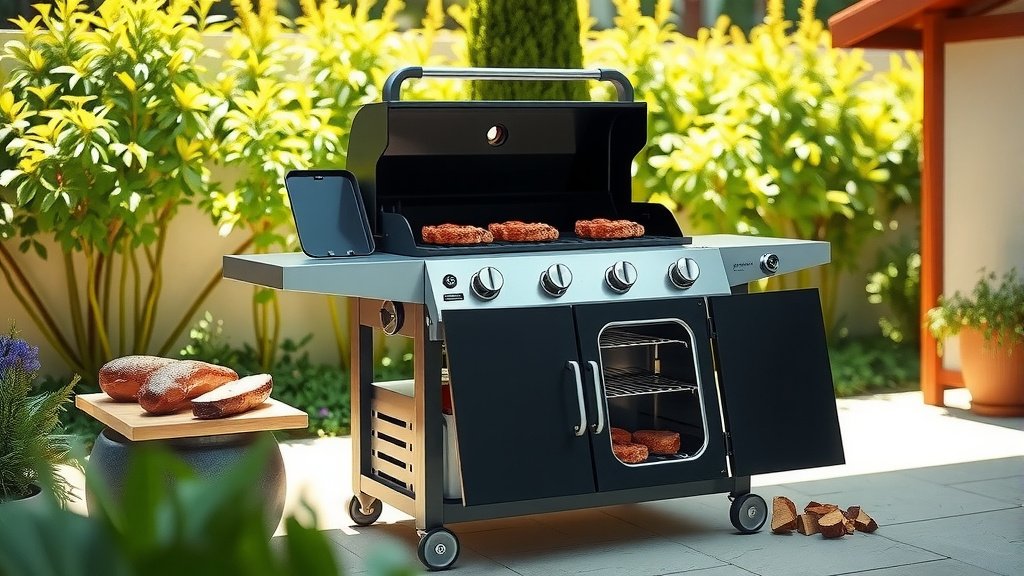
Yes, you absolutely can smoke meat with a gas grill, turning it into a versatile smoker with a few simple additions.
You can achieve delicious smoky flavors by using wood chips or chunks and controlling the temperature effectively.
- Turn your gas grill into a smoker with wood chips or a smoker box.
- Maintain a consistent low temperature, typically 225-250°F (107-121°C).
- Use indirect heat to cook your meat slowly and evenly for best results.
- Add moisture with a water pan to keep your meat from drying out.
- Expect a milder smoke flavor compared to dedicated smokers, but still delicious.
Can You Smoke Meat With A Gas Grill?
Absolutely, your gas grill is more capable than you might think when it comes to smoking meat. With a few adjustments and basic tools, you can transform it into a functional smoker and infuse your food with wonderful smoky flavors.
Unlock Smoky Flavors with Your Grill
Many people own a gas grill, but not everyone has a dedicated smoker. This means you can still enjoy barbecue classics like pulled pork or smoked ribs without buying new equipment. It’s an accessible way to explore the world of smoking.
We found that using your gas grill for smoking offers a great balance of convenience and flavor. It lets you get that beloved smoky taste without a big investment. Think of it as a creative way to use what you already have.
The Basics: How Gas Grills Create Smoke
The core idea involves creating smoke from wood while keeping your meat away from direct flame. You’ll use indirect heat to cook the meat slowly. This method allows the smoke to penetrate the food, creating that classic barbecue flavor.
You essentially create a hot, smoky oven inside your grill. The key is managing the heat and the smoke production. It’s all about a **low and slow cooking process**.
Understanding Your Grill’s Heat Zones
Most gas grills have multiple burners, which is perfect for smoking. You’ll turn on some burners, usually on one side, to create heat. The area directly over these lit burners is your direct heat zone.
The unlit side of the grill becomes your indirect heat zone. This is where your meat will cook. Learning to use these zones helps you **control the temperature precisely**.
What You’ll Need: Essential Tools
You won’t need a huge shopping list to start smoking on your gas grill. Many items you might already have around the house. Gathering these tools makes the process much smoother.
- Wood Chips or Chunks: These are your smoke source.
- Smoker Box or Heavy-Duty Aluminum Foil: To hold the wood chips.
- Water Pan: A disposable aluminum pan works well.
- Meat Thermometer: Essential for internal meat temperature.
- Grill Thermometer: To monitor the grill’s internal temperature accurately.
- Tongs and Oven Mitts: For handling hot items safely.
Choosing Your Wood: Chips or Chunks?
The type of wood you use significantly impacts the final flavor of your smoked meat. Wood chips burn faster and produce smoke quickly. Wood chunks burn slower and give off smoke for a longer period.
Many experts say that **chunks offer a more sustained smoke**. Chips are good for shorter smokes, while chunks are better for longer cooks. You can experiment to see what you prefer.
Flavor Profiles of Popular Woods
Different woods impart unique flavors. Here’s a quick guide to some common choices:
- Hickory: A strong, classic barbecue flavor, great with pork and beef.
- Apple: Milder and slightly fruity, excellent for poultry and pork.
- Cherry: Sweet and mild, giving a beautiful mahogany color to meat.
- Oak: A medium smoke flavor, pairs well with beef and lamb.
- Mesquite: Very strong and distinct, often used for beef, use sparingly.
Setting Up Your Gas Grill for Success
Getting your grill ready for smoking is a straightforward process. It involves preparing your wood and arranging your grill burners. This setup creates the ideal environment for slow smoking.
Prepping Your Wood for Smoke
Some people recommend soaking wood chips for 30 minutes to an hour before use. The idea is that soaked chips will smolder longer and produce more smoke. However, research suggests that **soaked chips primarily produce steam** before smoking (AmazingRibs.com).
Many experienced pitmasters now skip soaking for chips and use dry chips. For chunks, soaking is almost never recommended. Experiment to see if dry or soaked chips work better for you in your grill setup.
Controlling the Burners and Heat
Place your wood chips (in a smoker box or foil pouch with holes) over one of the lit burners. Start with one or two burners on low heat. You want to maintain a grill temperature between 225-250°F.
If your grill has three or more burners, light one burner on one end to low. Place your wood over that burner. Position your meat on the opposite side, over the unlit burners. For a two-burner grill, light one burner on low and place the wood there, with meat on the unlit side.
Mastering Temperature: The Smoker’s Golden Rule
Consistent, low temperature is perhaps the most critical factor for successful smoking. Fluctuating temperatures can dry out your meat or cook it unevenly. A good grill thermometer is your best friend here.
We found that keeping your grill’s temperature stable around 225-250°F (107-121°C) is ideal for most smoking projects. Adjust your gas burner dials in very small increments to find that sweet spot. Remember, **patience is a virtue in smoking**.
| Meat Type | Ideal Smoking Temperature | Target Internal Temperature |
|---|---|---|
| Pork Shoulder/Butt | 225-250°F (107-121°C) | 195-205°F (90-96°C) |
| Beef Brisket | 225-250°F (107-121°C) | 200-205°F (93-96°C) |
| Chicken (Whole) | 225-250°F (107-121°C) | 165°F (74°C) |
| Pork Ribs | 225-250°F (107-121°C) | 190-203°F (88-95°C) |
Indirect Heat: Your Best Friend for Low and Slow
When smoking on a gas grill, always place your meat over the unlit burners. This is your indirect heat zone. Cooking with indirect heat prevents the outside of your meat from burning before the inside is properly cooked.
The heat circulates around the meat, slowly bringing it up to temperature. This method helps **tenderize tougher cuts of meat** over several hours. It’s what gives barbecue its distinct texture.
Adding Moisture: Why a Water Pan Helps
A water pan serves a couple of important purposes. It adds moisture to the cooking environment, which helps keep your meat from drying out during long smokes. Dry air can lead to dry meat.
It also helps stabilize the grill’s temperature. The water acts as a heat sink, absorbing and releasing heat slowly. Place a disposable aluminum pan filled with hot water on the indirect side, directly under the grate where your meat will sit. This **creates a humid cooking chamber**.
Common Mistakes to Sidestep When Smoking
New smokers often make a few common errors. Knowing these ahead of time can save you frustration and yield better results. You want a smooth smoking experience, right?
Many experts advise against peeking too often. Opening the lid lets out heat and smoke, extending your cooking time. **Trust your grill and your thermometers**.
- Don’t forget to refill your water pan during long cooks.
- Avoid using too much wood; a little smoke goes a long way.
- Ensure your grill’s lid is closed tightly to trap smoke and heat.
- Check your meat’s internal temperature, not just the grill’s.
- Don’t be afraid to adjust burner settings to maintain stable heat.
The Pitfall of Too Much Smoke
More smoke does not always mean better flavor. Too much smoke, especially “dirty smoke” (thick, white, acrid smoke), can impart a bitter, off-putting taste to your meat. This is sometimes called a **”creosote” flavor**.
Aim for “thin, blue smoke,” which is nearly invisible or light blue. This indicates clean combustion and good flavor. If you see thick white smoke, you might have too much wood, or the wood isn’t burning efficiently.
Real Expectations: Gas Grill Smoking vs. Dedicated Smoker
Smoking on a gas grill produces fantastic results, but it’s important to set realistic expectations. You will achieve delicious, smoky flavor, but it might be milder than from a dedicated offset smoker.
Dedicated smokers are designed specifically for optimal smoke circulation and temperature control. Your gas grill is a conversion. Nonetheless, the flavor you get will still be miles better than no smoke at all. It’s a **great entry point to smoking**.
Conclusion
Smoking meat on a gas grill is entirely possible and quite rewarding. With a few simple tools, proper setup, and careful temperature management, you can turn your everyday grill into a formidable smoker. Don’t let not having a dedicated smoker stop you from enjoying amazing barbecue. Experiment with different wood types, stay patient, and savor the smoky results. You’ll be surprised at what your gas grill can do.
How long do wood chips last in a gas grill?
Typically, a handful of wood chips in a smoker box or foil pouch will produce smoke for about 20-40 minutes. For longer smoking sessions, you will need to add fresh chips periodically, usually every hour or so, to maintain consistent smoke flavor.
Can I use charcoal in my gas grill for smoking?
No, you should not use charcoal inside a gas grill. Gas grills are not designed to safely contain and vent charcoal embers. This could damage your grill, pose a fire hazard, and create dangerous carbon monoxide buildup. Stick to wood chips or chunks with your gas burners.
What’s the best meat to start smoking on a gas grill?
Many experts suggest starting with pork shoulder (for pulled pork) or a whole chicken. These cuts are forgiving, taste fantastic when smoked, and don’t require overly precise temperature control. Pork ribs are another excellent choice for beginners.
How do I clean my gas grill after smoking?
After smoking, let your grill cool down completely. Remove any ash or spent wood chips from your smoker box or foil. Scrape your grill grates thoroughly with a wire brush, as some creosote residue may build up. You can also wipe down the inside of the lid and grates with a damp cloth if needed.
Do I need to soak wood chips before smoking?
While some people swear by soaking wood chips, many experienced smokers now suggest it’s not necessary. Soaked chips tend to steam before they smoke, potentially delaying smoke production. Dry chips often ignite faster and produce cleaner smoke. Try both methods to see what works best for your specific grill setup and preference.
