
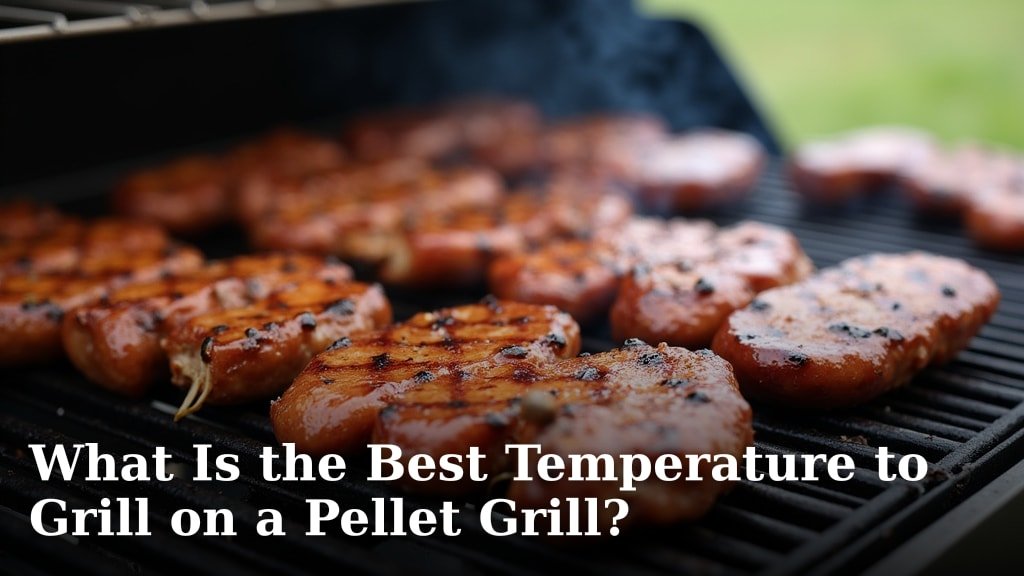
The best temperature to grill on a pellet grill depends on what you’re cooking, but a good starting point for most foods is between 225°F and 450°F. For low-and-slow smoking, aim for 225°F to 275°F. For searing and high-heat cooking, you’ll want to crank it up to 400°F or higher. Finding the right temperature is key to delicious results.
Pellet grills offer amazing temperature control, making them versatile for all sorts of cooking styles. Whether you’re slow-smoking a brisket or grilling burgers for a crowd, understanding temperature zones will help you master your grill. You can achieve everything from delicate fish to perfectly charred steaks with the right settings. Think of your pellet grill as your Pellet grills offer amazing temperature control, and this guide explains how to manage it effectively.culinary Swiss Army knife.
- Low and slow smoking: 225°F – 275°F for tender meats.
- Roasting and baking: 300°F – 375°F for chicken, ribs, and even desserts.
- Direct grilling and searing: 400°F – 450°F for burgers, steaks, and veggies.
- Always check your recipe for specific temperature recommendations.
Let’s break down the ideal temperatures for different cooking methods and foods so you can grill like a pro every time.
Mastering Your Pellet Grill: Finding the Ideal Cooking Temperatures
Your pellet grill is a versatile tool. It can handle everything from delicate fish to hearty roasts. The magic lies in its precise temperature control. But what temperature is best for your specific dish? It really depends on what you’re trying to cook.
The Art of Low and Slow: Smoking and Tenderizing
When you think of pellet grills, you often think of smoky ribs or pulled pork. This is where the low and slow method shines. It’s perfect for tougher cuts of meat that need time to break down and become tender.
Achieving That Perfect Smoke Ring
For true low and slow smoking, you want to keep your pellet grill temperature in a specific range. Most pitmasters agree that between 225°F and 275°F is the sweet spot. This temperature allows the smoke from the pellets to really infuse the meat.
You’re aiming for a slow cook that can take anywhere from 4 to 12 hours, depending on the cut. At these lower temperatures, the meat cooks gently. It becomes incredibly tender and juicy. This is how you get that coveted, deep smoke ring just under the surface. We found that temperatures much higher than 275°F can start to speed up the cooking too much. It may not allow for adequate smoke penetration.
What Foods Shine with Low and Slow?
This method is fantastic for:
- Brisket: The long cook time is essential for tenderizing this tough cut.
- Pork Shoulder (Boston Butt): Perfect for pulled pork.
- Ribs: Pork ribs and beef ribs get incredibly tender.
- Whole Chickens or Turkeys: Produces moist, flavorful poultry.
- Salmon: Smoked salmon is a delicacy.
Many guidelines suggest that lower temperatures help the meat absorb smoke flavor more effectively (National BBQ Association).
Roasting and Baking: Beyond the Smoke
Pellet grills aren’t just for smoking. They’re excellent ovens too. You can roast vegetables, bake bread, or even cook a whole turkey.
The Mid-Range Sweet Spot
For roasting and baking, you’ll want to bump up the temperature. A range of 300°F to 375°F is generally ideal. This is similar to a conventional oven, but with the added benefit of convection from the grill’s fan. It helps cook food evenly.
At 300°F, you can roast a whole chicken to perfection. It comes out juicy with crispy skin. Move up to 350°F for dishes like prime rib or pork loin. Many bakers have found success using their pellet grill for pies and cobblers around 375°F. It provides a consistent heat source.
Tips for Roasting and Baking
- Use a drip pan for roasts to catch juices. These can be used for gravy.
- Baking requires a consistent temperature. Avoid opening the lid too often.
- You can use a “smoke tube” with wood pellets if you want a subtle smoky flavor.
- For baked goods, you might want to use a pizza stone or baking sheet.
We found that using a good quality meat thermometer is essential for roasting. It ensures your food is cooked to the proper internal temperature.
Direct Grilling and Searing: High Heat, Fast Results
Sometimes, you just want that classic grilled flavor. Think burgers with char marks or perfectly seared steaks. Pellet grills can handle this with ease.
Cranking Up the Heat for Direct Grilling
To achieve a good sear, you need high heat. For direct grilling, you’ll want to set your pellet grill to 400°F or higher. Some models even have a “sear” setting that can reach 500°F or more. This intense heat is what creates that delicious Maillard reaction on the surface of your food.
When grilling burgers, steaks, chicken breasts, or even vegetables like asparagus or bell peppers, high heat is your friend. It cooks the outside quickly while keeping the inside moist. For steaks, aim for the higher end of the range, around 450°F to 500°F, for a perfect crust.
Tips for Searing and Direct Grilling
- Preheat your grill thoroughly. This is critical for a good sear.
- Clean your grill grates before you start. It prevents sticking.
- Don’t overcrowd the grill. Give your food space for even cooking.
- Consider adding a cast-iron griddle or sear plate for even better results.
Many grilling enthusiasts find that direct heat for searing is key to locking in juices (Grill Master’s Journal). Research indicates that searing at high temperatures for short periods can improve meat texture and flavor.
Understanding Your Pellet Grill’s Temperature Zones
Even on a pellet grill, there can be slight temperature variations. Understanding these zones can help you cook multiple items at once.
Generally, the area directly above the heat source is the hottest. This is often where the flame broiler or heat deflector is located. The areas further away from the heat source will be cooler. You can use this to your advantage. For instance, you might sear steaks directly over the heat. Then, you can move them to a cooler spot to finish cooking indirectly.
Here’s a quick reference chart:
| Cooking Method | Temperature Range | Best For |
|---|---|---|
| Low & Slow Smoking | 225°F – 275°F | Brisket, pulled pork, ribs, smoking fish |
| Roasting & Baking | 300°F – 375°F | Chicken, roasts, casseroles, pies |
| Direct Grilling & Searing | 400°F – 450°F+ | Burgers, steaks, chicken breasts, vegetables |
Important Considerations for Consistent Temperatures
Several factors can influence the temperature on your pellet grill. Being aware of these will help you achieve the results you want.
Ambient Weather Conditions
Wind and cold temperatures can affect your grill’s performance. On a windy day, the wind can blow heat away from the grill. In cold weather, the grill has to work harder to maintain its set temperature. You might find you need to set your grill a little higher on days like these. Some experts suggest using a grill cover to shield it from direct wind.
Pellet Quality and Type
The type of wood pellets you use matters for flavor. However, they also play a role in heat output. Hardwood pellets generally burn hotter and more consistently than blends. Always use high-quality food-grade pellets. We found that generic pellets can sometimes cause temperature fluctuations.
Lid Management is Key
Opening the lid releases heat. This causes the grill temperature to drop. The longer you leave the lid open, the more heat escapes. Try to minimize how often you open the lid. Plan your grilling steps so you can do as much as possible in one go. When you do need to check on food, be quick!
Your Pellet Grill Temperature Checklist
Ready to get grilling? Keep these tips in mind for consistent, delicious results:
- Always preheat your grill for at least 10-15 minutes.
- Check your recipe for specific temperature recommendations.
- Use a reliable meat thermometer for accurate internal temperatures.
- Be mindful of weather conditions; adjust your temperature as needed.
- Minimize lid opening to maintain stable heat.
- Use good quality food-grade pellets for the best performance and flavor.
By understanding these temperature ranges and factors, you can confidently use your pellet grill for any cooking task. Enjoy the delicious results!
Conclusion
You’ve learned that mastering your pellet grill temperature is the secret to amazing results. From the low and slow embrace of 225°F for tender brisket, to the high-heat sear at 400°F+ for juicy burgers, your grill is incredibly versatile. Remember to consider the weather, pellet quality, and minimize lid lifting for consistent heat. Now, you’re equipped to tackle any recipe. Your next delicious meal is just a temperature setting away – go grill with confidence!
Frequently Asked Questions
How do I know if my pellet grill is preheated properly?
Your pellet grill is usually preheated when it reaches your set temperature and holds steady for at least 10-15 minutes. Many grills have an indicator light or digital display showing the current temperature. Ensure the grill is stable before placing your food on the grates for best results.
Can I use my pellet grill in the rain or cold?
Yes, you can often grill in less-than-ideal weather. However, cold temperatures and wind can make it harder for your grill to maintain its set temperature. You might need to adjust your dial slightly higher. Using a grill cover can help shield it from direct wind and precipitation.
Why does my pellet grill temperature fluctuate so much?
Temperature fluctuations can happen due to opening the lid too often, poor quality pellets, or extreme weather. Each time you lift the lid, you lose significant heat. Using food-grade pellets from a reputable brand helps ensure more consistent burning. Try to minimize lid opening and be patient!
Is there a difference between grill temperatures and smoking temperatures?
Absolutely. “Grilling” usually implies higher temperatures for faster cooking and searing, often 400°F and up. “Smoking” on a pellet grill typically means lower temperatures, between 225°F and 275°F, to allow smoke flavor to penetrate meat slowly over many hours.
Do I need a special setup for baking on my pellet grill?
Not usually! Your pellet grill acts like a convection oven. For most baked goods like pies or breads, you can use your standard baking sheets or pizza stones directly on the grates. A temperature around 300°F to 375°F is a good starting point for baking.
