
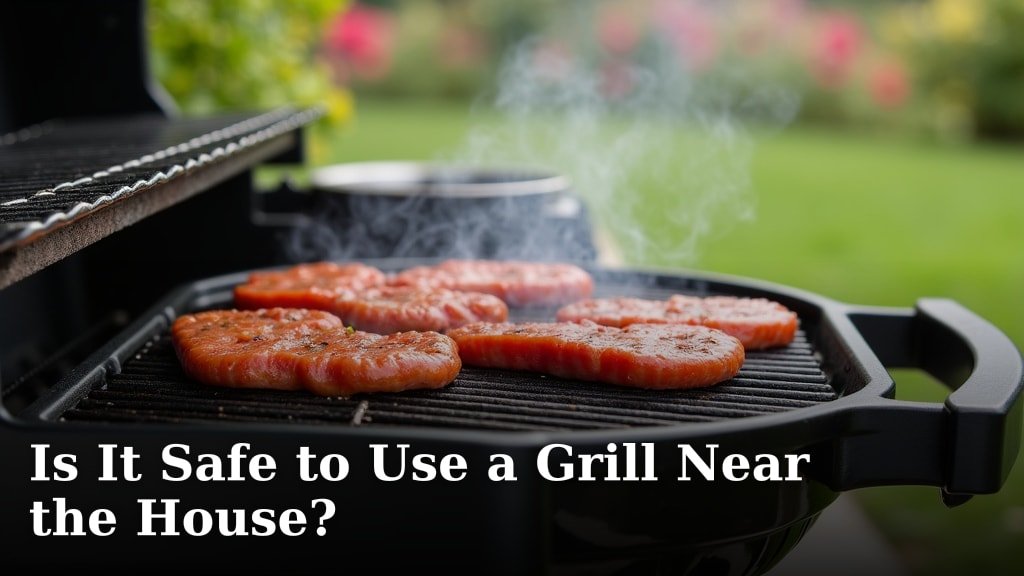
Generally, yes, it is safe to use a grill near your house if you take proper precautions. Grilling too close can pose a fire hazard, especially to your siding and roof. Understanding safe distances and potential risks is key to preventing accidents and keeping your home protected.
Many homeowners wonder about the best placement for their grill. Grilling is a beloved summer activity, but placing your grill too near the house could lead to unexpected damage or even a fire. We found that common materials like vinyl siding can melt or ignite easily.
TL;DR:
- Grilling near the house can be safe with precautions.
- Keep grills at least 10 feet from structures.
- Avoid grilling under overhangs or near flammable materials.
- Watch out for melting siding or sparks.
- Always have a fire extinguisher nearby.
Let’s walk through exactly how to grill safely near your home without any worry. We’ll cover the best practices and distances recommended by fire safety experts.
Keeping Your Grill Away From Home: A Safety Guide
Generally, yes, it is safe to use a grill near your house if you take proper precautions. Grilling too close can pose a fire hazard, especially to your siding and roof. Understanding safe distances and potential risks is key to preventing accidents and keeping your home protected.
Many homeowners wonder about the best placement for their grill. Grilling is a beloved summer activity, but placing your grill too near the house could lead to unexpected damage or even a fire. We found that common materials like vinyl siding can melt or ignite easily.
Understanding Safe Grilling Distances
So, how far should your grill be from your house? The general consensus from fire safety experts is to maintain a minimum distance of 10 feet. This 10-foot buffer is essential. It gives ample space for heat and embers to dissipate safely. This 10-foot buffer is essential for safe grilling near your house.
Why 10 Feet? Explaining the Safety Zone
Think of that 10-foot zone as your grill’s personal safety bubble. It’s designed to prevent stray sparks from reaching your home’s exterior. We found that even small sparks can travel further than you might expect on a breezy day.
Your house’s siding, especially if it’s made of vinyl or wood, can be quite flammable. These materials can catch fire from intense heat or direct flame contact. Keeping a safe distance prevents this close-proximity danger. Many fire departments recommend this distance for propane and charcoal grills alike (National Fire Protection Association).
What About Other Structures?
The 10-foot rule isn’t just for your house. You need to keep this distance from other structures too. This includes your garage, sheds, decks, fences, and even dense shrubbery or trees. These items can also act as fuel for a fire.
We’ve seen cases where grilling too close to a wooden fence led to a quick spread of flames. It’s important to assess your entire backyard space before you light up. Consider everything that could potentially ignite or contribute to a fire.
Material Matters: Your Home’s Vulnerability
The materials your home is built with play a big role in how close you can safely place a grill. Some materials are much more susceptible to heat and fire than others. Understanding this can help you assess your risk.
Siding Susceptibility
Vinyl siding is a common choice for many homes, but it has a low melting point. High heat from a grill can cause it to warp, melt, or even ignite. We found that even though vinyl is popular for its durability, it’s not fireproof. This is why maintaining that 10-foot distance is especially important for homes with vinyl siding.
Wood siding is also a concern. It’s naturally more flammable than other materials. A stray ember could easily land on wood and start a fire. Even composite sidings, while often more fire-resistant than pure vinyl, can still be damaged by prolonged exposure to high heat.
Roofing Risks
Your roof is another vulnerable spot. If your grill is placed too close to the house, sparks can easily fly upwards. A dry roof, especially one made of asphalt shingles or wood shakes, can catch fire. The underside of eaves and overhangs can also be a hazard zone.
We found that the combination of upward-blown embers and overhanging structures creates a dangerous scenario. Always ensure there’s clear, open air above your grilling area. This prevents heat and sparks from accumulating near your roofline.
Checking Your Environment: Beyond the House Wall
It’s not just about the house itself. The immediate surroundings of your grill are just as important for fire prevention. Think of it as a pre-grill safety inspection.
Overhead Hazards
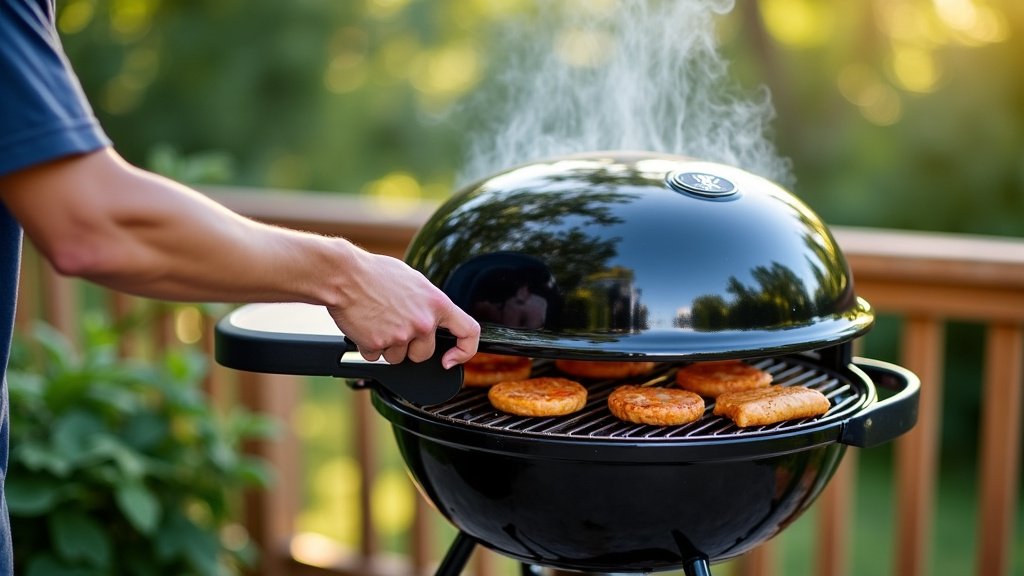
Grilling directly under an overhanging deck, awning, or tree branches is a major no-no. These structures can trap heat and smoke. They also provide a direct path for flames to travel upwards if something goes wrong. We’ve heard from fire safety professionals that this is one of the most common mistakes people make.
Even if the grill itself is 10 feet away, an overhanging structure could bring the heat much closer to flammable materials. Always opt for an open space where heat and smoke can rise freely into the air.
Ground-Level Dangers
What’s under and around your grill matters too. Ensure the ground surface is non-flammable. Concrete, brick, or pavers are ideal. Avoid placing your grill directly on a wooden deck or dry grass.
If you must grill on a deck, we found that using a heavy-duty grill mat is a smart move. These mats are designed to protect the deck surface from heat and grease drippings. Always clear the area around the grill of any dry leaves, debris, or other flammable materials. A gust of wind could easily carry them into the flames.
Flammable Materials Checklist
Before you even think about lighting the grill, do a quick sweep for these common culprits:
- Propane tanks: Keep them upright and at least 10 feet from the house.
- Fuel: Store charcoal or lighter fluid away from heat sources.
- Outdoor furniture: Cushions and fabrics can ignite.
- Garbage cans: Keep them clear of the grilling zone.
- Trees and shrubs: Trim back any branches that hang low.
Best Practices for Safe Grilling Near Home
Putting all this together, what does safe grilling look like in practice? It’s about mindfulness and preparedness. You want to enjoy your BBQ without the stress of a potential accident.
The 10-Foot Rule in Action
Let’s visualize it. Imagine your grill is the center of a circle. Everything within that 10-foot radius should be clear and safe. This means no siding, no windows (which can also break from heat), and no flammable decorations are within that zone.
Conclusion
You’ve learned that grilling near your house can be perfectly safe with the right approach. The key is respecting the 10-foot safety zone around your grill. We found that simple steps like clearing flammable items and checking overhead hazards make a big difference. Your home’s siding and roof are vulnerable, so give them space. Always keep a fire extinguisher handy and be mindful of wind conditions. Now, put this knowledge into practice for a worry-free grilling season. Your next BBQ will be both delicious and safe!
Frequently Asked Questions
What if I have a small balcony or patio?
For smaller spaces, maintaining a 10-foot distance from your house wall is still the best practice. If that’s impossible, consider using a portable electric grill instead of charcoal or propane, as they generate less heat and fewer sparks. Always ensure your grill is on a stable, non-flammable surface.
Can I grill on my wooden deck?
Grilling directly on a wooden deck is risky. We found that heat and grease can damage the wood and increase fire risk. If you must grill on a deck, use a heavy-duty grill mat specifically designed for this purpose. Keep the area around the grill clear of debris and always follow the 10-foot rule from any structures.
How close can my grill be to vinyl siding?
You should keep your grill at least 10 feet away from vinyl siding. Vinyl can melt or even ignite when exposed to high grill temperatures or stray embers. Research shows this distance is critical to prevent damage to your home’s exterior. Never place the grill where heat or sparks can directly hit the siding.
What if it’s windy on grilling day?
Wind significantly increases fire risk by spreading embers. If it’s very windy, it’s best to postpone your grilling plans. If you choose to grill in moderate wind, be extra vigilant. Ensure your grill is stable, keep a water source or extinguisher nearby, and monitor the grill and surroundings constantly for stray sparks.
Do I need to worry about heat radiating from the grill?
Yes, you absolutely should. Grills radiate significant heat, which can damage materials even without direct flame or sparks. We found that prolonged exposure to this heat can cause siding to warp or paint to peel. That’s why maintaining the 10-foot buffer zone is essential for protecting your home’s exterior walls and windows.
