
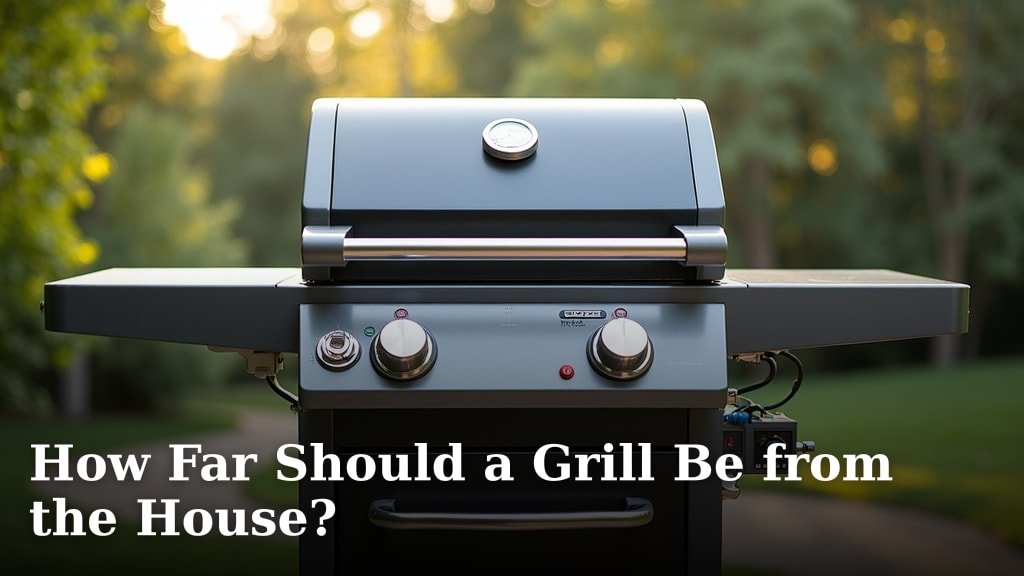
When grilling, you should keep your grill at least 10 feet away from your house and any other structures. This distance helps prevent a fire from spreading. It’s a simple safety rule that keeps your home and family safe. Always check your grill’s manual for specific recommendations.
Fire safety is super important when you’re having fun grilling. Many grilling fires happen because the grill is too close to flammable things. This includes your house, fences, or even low-hanging trees. Ensuring a safe distance is a key step to enjoying your barbecue without worry. We want your cookouts to be fun and safe!
- Keep grills at least 10 feet from your house.
- This distance helps stop fires from spreading quickly.
- Always check your grill’s user manual for specific safety tips.
- Make sure your grilling area is clear of anything flammable.
Let’s walk through exactly how to set up your grill safely to avoid any backyard blazes. Understanding startup, cleanup, and overall maintenance can also influence your grilling setup.
Safe Grill Placement: Keeping Your Home Protected
So, you’re ready to fire up the grill and get cooking! That’s fantastic. But before you get too excited, let’s talk about where that grill should be. Keeping a safe distance is absolutely essential for fire prevention. Think of it as giving your house a little personal space from the heat.
The 10-Foot Rule: Why It Matters
The general rule of thumb, and a very important one, is to keep your grill at least 10 feet away from your house. This isn’t just a suggestion; it’s a safety guideline backed by many fire safety experts. Why 10 feet? Well, that distance gives you a buffer zone.
Understanding Fire Spread
Fires can spread incredibly fast. A grill produces flames and a lot of heat. If it’s too close to flammable materials, those flames can easily jump. We’re talking about things like your house siding, wooden decks, or even dry leaves that might have blown near the structure. That 10-foot distance helps stop a small flare-up from becoming a big problem.
What Else Needs Space?
It’s not just your house that needs protection. That 10-foot rule applies to other things too. You need to keep your grill clear of garages, sheds, fences, and even overhanging branches from trees. Don’t forget about outdoor furniture, cushions, and anything else made of fabric or wood. Clearance is key for safety.
Factors Influencing Your Grill’s Location
While 10 feet is a great starting point, other things can affect where you should place your grill. You need to think about more than just the house itself. Let’s break down some of these other considerations.
Wind and Weather
Have you ever noticed how the wind can whip around your house? Wind is a grill master’s worst enemy. A gust of wind can easily blow embers or flames in an unintended direction. If you know your area tends to be windy, you might want to give your grill even more space. We found that on windy days, a slight breeze can push sparks further than you might expect.
Consider the prevailing wind direction when you set up. You don’t want to be grilling with the wind blowing smoke and sparks directly toward your home or your neighbor’s property. It’s like playing a game of chance you don’t want to lose.
Grill Type and Size
Does the size or type of your grill change things? Generally, the 10-foot rule is a universal guideline. However, larger grills might produce more heat or have bigger cooking surfaces. If you have a massive smoker or a commercial-style grill, you might want to err on the side of caution. Bigger grills often mean bigger heat output.
Always refer to your grill’s manual. Manufacturers include specific safety recommendations based on their product’s design. They know their grills best!
Surface Underneath the Grill
What’s under your grill matters just as much as what’s around it. Never place your grill directly on a wooden deck, especially if the wood is old or dry. Even with the 10-foot rule, direct heat can damage wood over time. A fire-resistant mat is a wise investment. These mats protect your deck or patio from grease drippings and stray embers.
We looked into this, and many fire departments recommend using a grill mat. It’s a simple step that adds an extra layer of protection against scorching and potential fires. Your deck will thank you!
Creating a Safe Grilling Zone
Setting up your grilling area isn’t just about distance; it’s about creating a dedicated safe zone. This zone should be clear, stable, and away from potential hazards. Think of it as your barbecue’s happy place, where it can do its thing without causing trouble.
Level and Stable Ground
Your grill needs to sit on a level and stable surface. Imagine trying to balance a wobbly table – it’s not ideal for cooking, and it’s definitely not safe for grilling. A grill that isn’t level can tip over, spilling hot coals or food. This is particularly important for charcoal grills, but gas grills can also be a hazard if unstable.
We found that many grilling accidents are linked to unstable setups. Ensure your chosen spot isn’t sloped or soft ground that can shift. Concrete patios or sturdy paved areas are usually excellent choices.
Avoiding Overhanging Structures
This might seem obvious, but it’s worth repeating. Keep your grill away from anything that hangs above it. This includes awnings, pergolas, and yes, those lovely low-hanging tree branches. Heat rises, and those branches can catch fire. You don’t want your barbecue to accidentally become a Christmas tree!
Many guidelines from fire safety organizations highlight the danger of overhead flammables. Always look up! Clear overhead space is just as important as clear ground space.
Clearing Flammable Materials
Take a good look around your intended grilling spot. Are there piles of dry leaves? Stacks of firewood? Bags of potting soil? Any of these could be fuel for a fire. Make sure the area within that 10-foot radius (or more!) is completely clear of anything that can burn. A quick sweep or rake can make a huge difference.
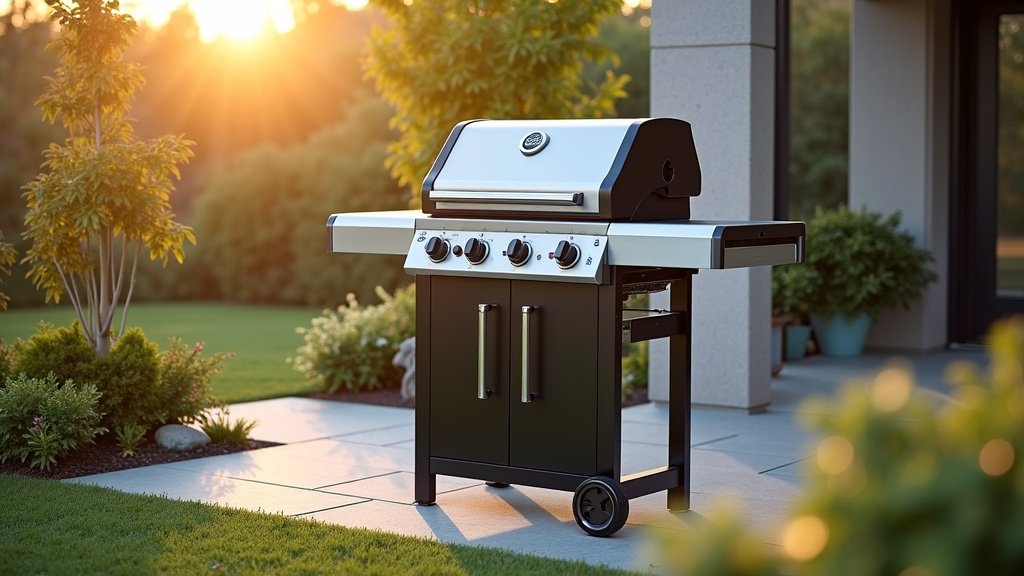
When to Use More Than 10 Feet
While 10 feet is the minimum, sometimes you need to go bigger. When should you extend that distance? Several factors might call for a larger safety buffer.
High-Wind Conditions
As we mentioned, wind is a major factor. If it’s gusty, playing it safe means increasing the distance. Many fire departments recommend doubling the distance, aiming for 20 feet or more on particularly windy days. This gives you a much better chance of preventing sparks from traveling too far.
Dense Vegetation or Storage Areas
Do you have a lot of shrubs, bushes, or stored items near your grilling area? Even if they are more than 10 feet away, dense vegetation can be a fire hazard. Anything that can easily ignite and spread fire quickly warrants more space. Think about areas where chemicals or flammable liquids might be stored – keep your grill far from those!
Children and Pets
Beyond fire safety, consider the physical safety of your loved ones. Keeping the grill a good distance from high-traffic areas where children or pets play can prevent accidental burns. A dedicated, clear grilling zone helps keep little ones and furry friends safe from the hot grill and potential spills. This is about preventing burns and injuries.
Grill Safety Checklist
Before you light up your grill for the first time this season, or even for your next barbecue, run through this quick checklist:
- Is the grill at least 10 feet from your house and other structures?
- Is the grilling area clear of leaves, branches, and other flammable materials?
- Is the grill on a level, stable surface?
- Are there any overhanging branches or awnings?
- Is the grill at least 10 feet from pets and play areas?
- Do you have a fire extinguisher or water source nearby?
Following these guidelines ensures that your grilling adventures are enjoyable and, most importantly, safe for everyone involved. Happy grilling!
Conclusion
You’ve learned that keeping your grill at least 10 feet from your house is vital for preventing fires. We’ve covered why this distance matters for stopping fire spread and what other structures need clearance. Remember to consider wind, your grill type, and the surface beneath it. Creating a safe grilling zone with level ground and clear overhead space is also key.
Always look up and around for potential hazards. On windy days or near dense vegetation, extend that safety buffer even further. Your diligence in following these safety tips ensures enjoyable cookouts. Before your next barbecue, do a quick safety check to confirm your grill is positioned properly.
Frequently Asked Questions
Is 10 feet really enough for my grill?
Ten feet is the recommended minimum distance for most grilling situations. We found that this distance provides a good buffer against most accidental flare-ups. However, if you’re grilling in very windy conditions or near highly flammable materials, you might want to increase that distance to 20 feet or more.
What if my deck is made of composite material instead of wood?
While composite decks might be more resistant to charring than wood, they can still be damaged by prolonged direct heat. We found that even with composite materials, using a fire-resistant mat is a smart idea. This protects your deck from grease drippings and any stray embers that might escape.
Can I grill under a covered patio or awning?
It is strongly advised against grilling directly under a covered patio, awning, or pergola. Heat and flames rise, and these structures can be made of flammable materials or trap heat, posing a serious fire risk. Always ensure there is ample clear overhead space, well beyond the reach of the grill’s heat.
Does the type of grill (gas vs. charcoal) affect the distance needed?
The 10-foot rule is a general guideline for both gas and charcoal grills. However, charcoal grills can sometimes produce more intense heat and unpredictable embers. If you have a particularly large or high-output grill of either type, it’s always best to check the manufacturer’s manual for specific distance recommendations.
What should I do if I have a small fire on my grill?
If a small fire occurs on your grill, the first step is to stay calm. For gas grills, immediately turn off the gas supply. For both types, try to smother the flames by closing the lid and the vents (if applicable). Never use water on a grease fire. Keep a fire extinguisher or water source nearby before you even start grilling.
