How to Cook Boneless Ribs on a Pellet Grill at 250°F
Cook boneless ribs on a pellet grill at 250°F until they are tender and reach a safe internal temperature, usually about 2 to 4 hours depending on thickness. Use a thermometer, wrap them if they need more moisture, and rest them before slicing.
On this page (10 sections)
- How do you cook boneless ribs on a pellet grill at 250°F?
- How should you prepare boneless ribs before grilling?
- How long do boneless ribs take at 250°F?
- Should you wrap boneless ribs during the cook?
- How can you tell when boneless ribs are done?
- How do you manage smoke and moisture?
- What should you do if the ribs dry out?
- Can you finish boneless ribs on another grill?
- How should you slice and serve the ribs?
- What is the best method for boneless ribs on a pellet grill at 250?
Cook boneless ribs on a pellet grill at 250°F with indirect heat until the thickest piece is tender and reaches a safe internal temperature. Most pieces take about 2 to 4 hours, but thickness matters more than the clock.
Use a thermometer instead of relying only on time. Boneless ribs can come from different cuts, so two packages may need different cooking times even at the same grill temperature.
How do you cook boneless ribs on a pellet grill at 250°F?
Trim excess surface fat, season the ribs, preheat the pellet grill to 250°F, and cook them with space between each piece. Check the thickest section as the ribs approach the expected cooking time.
- Pat the ribs dry with paper towels.
- Remove loose pieces of fat or silver skin if needed.
- Apply a dry rub or your preferred seasoning.
- Preheat the pellet grill and confirm the grate temperature.
- Place the ribs on the grate with space between them.
- Cook until the outside has developed color and the center is tender.
- Wrap the ribs if they need more moisture or softness.
- Rest them before slicing across the grain when possible.
Keep the lid closed during the first part of the cook. Frequent opening releases heat and smoke, which can make the total cooking time longer.
For a bone-in comparison, see how long to cook ribs on a pellet grill at 250. Boneless ribs generally cook faster because there is less mass around the meat.
How should you prepare boneless ribs before grilling?
Dry the meat, trim only what needs removing, and season it evenly on all sides. A dry surface helps the seasoning stick and gives the outside a better chance to brown.
Leave a thin layer of fat when it is attached to the meat and not excessively thick. Fat can add moisture during cooking, but large loose pieces may block seasoning or create flare-ups if you finish over direct heat.
A simple rub can include salt, black pepper, paprika, garlic powder, and brown sugar. Use less sugar if you plan to finish the ribs over high heat, because sweet coatings can darken quickly.
Let the seasoned ribs sit while the grill heats. You don't need to leave them out for a long time, and perishable meat should stay cold until you are ready to cook it.
How long do boneless ribs take at 250°F?
Plan for about 2 to 4 hours, then use tenderness and temperature to decide when they are ready. Smaller or thinner pieces may finish earlier, while thick boneless ribs can need more time.
Start checking the ribs before the shortest expected time. Insert the thermometer into the center of the thickest piece, avoiding the grate and any large pocket of fat.
Temperature tells you how hot the meat is, but it does not always tell you whether the connective tissue has softened. If the ribs are at a safe temperature but still feel firm, continue cooking and check again later.
The USDA's meat and poultry temperature chart explains safe minimum temperatures for different meats. Use the guidance for the specific cut you bought.
Should you wrap boneless ribs during the cook?
Wrap the ribs after they have enough color and need help becoming softer. Wrapping can slow surface drying, but it also softens the bark and may make the outside less crisp.
Use foil for a tighter seal or butcher paper for a looser wrap. Place the ribs in a single layer, seal the package, and return it to the 250°F grill.
A small splash of broth, apple juice, or another cooking liquid can add moisture, but it is optional. Too much liquid can make the surface wet and dilute the rub.
Open the wrap carefully because trapped steam can burn your hands. If the ribs are tender but the outside has lost texture, unwrap them and return them to the grill briefly.
How can you tell when boneless ribs are done?
Check the thickest section with an instant-read thermometer and test the texture with the probe. The probe should enter with little resistance when the ribs are tender.
Check more than one piece when the ribs vary in size. Remove smaller pieces first if they are ready, then leave thicker pieces on the grill.
Do not cut every piece open to check it. A thermometer makes a smaller opening and helps keep the juices inside.
Rest the ribs for about 10 to 15 minutes after cooking. Keep them loosely covered rather than tightly sealed if you want to protect the outside texture.
Which equipment can support a low-and-slow cook?
A dedicated pellet grill is the simplest setup for this recipe, but other outdoor cooking equipment can support low-temperature barbecue when you can control heat and monitor the food.
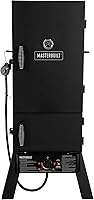
The Masterbuilt 30-Inch Dual Fuel Propane & Charcoal is a vertical smoker with 4 smoking racks, 717 square inches of cooking space, a stainless steel burner, a porcelain-coated wood chip tray and water pan, and a built-in temperature gauge.
Its 30-inch vertical form uses height instead of a wide grate, which can suit a patio where floor space matters more than a broad cooking surface. The push-button ignition and built-in gauge can simplify the basic setup.
This is a smoker rather than a pellet grill, so it suits readers who are open to a propane and charcoal cooking system. Its 59-pound weight and 20.5 x 28.5 x 43.5 inch dimensions also make placement worth planning before use.
How do you manage smoke and moisture?
Use a light smoke level and avoid opening the lid just to check the ribs. Boneless pieces have more exposed surface than bone-in racks, so heavy smoke can become noticeable quickly.
If your pellet grill has a smoke setting, use it according to the grill's instructions. For another pellet-grill recipe, see moose jerky on a pellet grill.
Keep the temperature steady at 250°F and let the cooker do most of the work.
A water pan is optional. It can add moisture to some cooking setups, but it doesn't replace proper temperature control or a rest after cooking.
For a charcoal smoker approach, read how to smoke ribs on a Weber Smokey Mountain. The airflow and fuel management differ from a pellet grill, but the same ideas apply: steady heat, limited lid openings, and temperature checks.
What should you do if the ribs dry out?
Wrap the ribs earlier, reduce lid openings, and remove them as soon as they are tender. Dryness usually comes from overcooking, excessive heat, thin pieces, or too much exposed surface.
Choose pieces with similar thickness when possible. Arrange thin ends away from the hottest area of the grill and rotate the pieces if your cooker has uneven zones.
A compact grill can work for small batches, but it may leave less room for spacing and slower cooking. The Camco Kuuma Stow N Go 125 Stainless has a 125 square inch cooking surface, a single burner, 9,000 BTU per hour of heat output, and a 304 stainless steel frame.
Its 14.5-pound weight and 11.25 x 20 x 11 inch dimensions suit readers who need a countertop grill or a portable setup. It is designed for outdoor use and includes a latch, handle, and pedestal mount.
It is not a substitute for a full-size pellet grill when you need room for several thick ribs or long indirect cooking. Its smaller surface makes piece spacing and batch size more important.
Can you finish boneless ribs on another grill?
You can finish boneless ribs on another outdoor grill if you can hold a steady low temperature and keep the meat away from direct flames. Move the ribs only after checking that the second cooker is ready.
A tabletop charcoal grill can provide a small cooking area, but it requires closer attention to vents and fuel. The Cuisinart Charcoal Grill is a portable tabletop model with a locking lid, a 14 inch size, a 196 square inch chrome-plated grate, dual vents, an enamel-coated firebox, and an ash base.
The dual vents give you a way to manage airflow, while the locking lid helps secure the grill during transport. Its 14 x 14 x 15 inch dimensions make it better suited to small batches than a wide rack of ribs.
Charcoal heat changes more than pellet heat, so use a grate thermometer and make small vent adjustments. Keep the ribs over indirect heat, and check the center often as they approach doneness.
How should you slice and serve the ribs?
Rest the ribs first, then slice them across the grain when the cut makes that possible. Cutting immediately can release more juice and make the pieces seem drier.
Serve the ribs with barbecue sauce on the side or brush on a thin layer during the final minutes. Adding sauce too early can cause the sugars to darken before the meat is tender.
If you have leftovers, cool them promptly and store them in a covered container. Reheat gently so the meat does not dry out.
For already-cooked ribs, use this guide to heat precooked ribs on a Blackstone griddle. For a gas-grill method, compare how long to cook ribs on a gas grill at 250.
What is the best method for boneless ribs on a pellet grill at 250?
Keep the grill steady at 250°F, cook by thickness rather than a fixed clock, and use a thermometer plus a tenderness check. Wrap the ribs only when they need help softening, then rest them before serving.
Choose the Masterbuilt smoker if you want a separate vertical smoker with multiple racks. Choose the Camco for a compact outdoor grill, or the Cuisinart when portable charcoal cooking and vent control fit your batch size.
For another beef rib method, read how to cook beef ribs on a Weber gas grill. If you want a different short-rib cut, try this English style short ribs gas grill recipe.
Frequently asked questions
How long do boneless ribs take on a pellet grill at 250°F?
Boneless ribs usually take about 2 to 4 hours at 250°F, but thickness, cut, moisture, and tenderness all change the timing. Start checking early with an instant-read thermometer.
Cook until the ribs are tender and reach a safe internal temperature, then rest them before slicing.
Should you wrap boneless ribs on a pellet grill?
Wrap boneless ribs when the outside has the color you want but the meat still feels firm. Foil or butcher paper can help hold moisture and soften the texture.
Add a small amount of liquid only if your recipe calls for it, because too much can wash away the seasoning.
What temperature are boneless ribs done?
Boneless ribs are safe when they reach the minimum internal temperature for their cut, but tenderness often requires more cooking. Use a thermometer in the thickest section and check more than one piece if their sizes differ.
Rest the ribs before cutting so the juices settle.
Can you cook boneless ribs directly on a pellet grill grate?
Yes, boneless ribs can cook directly on a clean pellet grill grate at 250°F. Leave space between pieces so smoke and heat can circulate.
Turn or rotate them only when needed, and avoid opening the lid often because each opening slows the cook.