
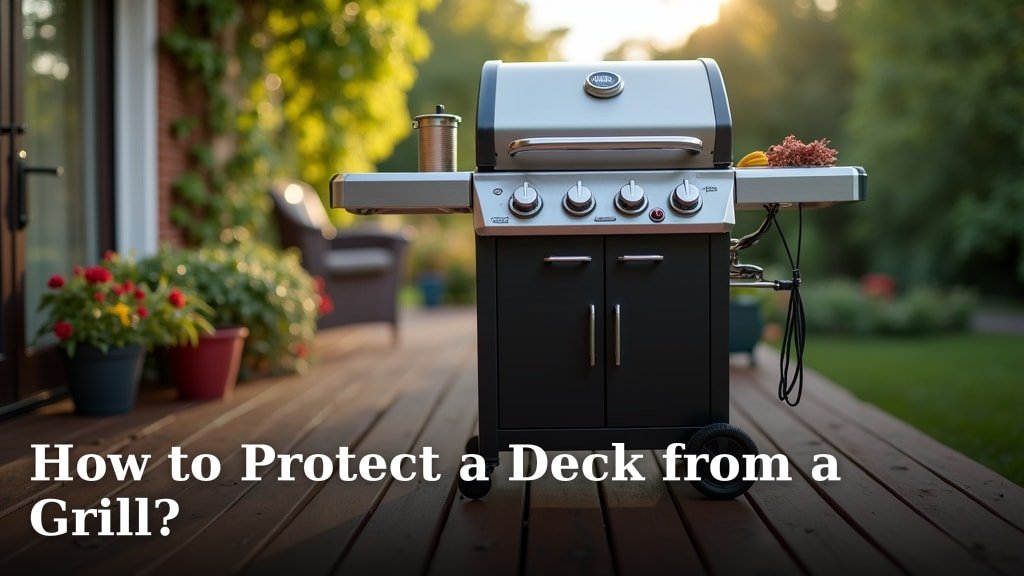
To protect a deck from a grill, you should always use a grill mat. These mats create a vital barrier between your hot grill and your deck’s surface. They catch grease, embers, and food spills, preventing damage.
Your outdoor living space is an investment, right? Protecting your deck from grill mishaps helps keep it looking great and safe. We found that a good grill mat prevents stains and fire hazards effectively. It’s a simple, smart way to extend your deck’s life.
- Use a grill mat to catch grease and sparks.
- Clean up spills quickly to avoid permanent stains.
- Position your grill safely, away from railings.
- Check your grill and deck regularly for any wear.
- Never leave a hot grill unattended on your deck.
Let’s walk through exactly how to best protect your deck from your grill. We’ll cover everything you need to know to keep your outdoor area safe and spotless.
Protecting Your Deck from Grill Damage
You want your deck to last, right? Keeping your grill from damaging it is simpler than you might think. We’ve gathered some straightforward ways to safeguard your outdoor space. Think of it as giving your deck its own personal bodyguard against grill mishaps.
The Essential Role of Grill Mats
A grill mat is your first line of defense. It’s not just a fancy accessory; it’s a critical barrier. Imagine dropping a hot coal or a greasy burger. Without a mat, that could mean a permanent stain or worse, a burn mark on your beautiful deck. With a mat, you just wipe it clean.
Choosing the Right Grill Mat
Not all grill mats are created equal. You need one that can handle the heat and the mess. We found that mats made from fire-resistant materials like fiberglass with silicone coatings are best. They don’t melt, and they’re easy to clean.
- Look for mats that are at least 3mm thick for good protection.
- Ensure the mat is larger than your grill’s footprint to catch all spills.
- Check for a non-slip surface so it stays put, even when wet.
- Consider mats that are UV-resistant if your grill area gets a lot of sun.
Placement and Maintenance of Grill Mats
Correct placement is key. Position the mat directly under your grill, extending out at least a foot in all directions. This creates a sufficient buffer zone. After each use, let the mat cool down. Then, simply wipe it clean with a damp cloth. For tougher grease, a little soap and water will do the trick.
We found that regular cleaning extends the life of your grill mat. It also keeps your deck looking pristine. A dirty mat can harbor bacteria and attract pests, which defeats the purpose of keeping things clean.
Strategic Grill Placement for Deck Safety
Where you put your grill matters a lot. It’s not just about convenience; it’s about safety. Positioning your grill correctly can prevent many common accidents and damages. Think of it as creating a safe working zone for your outdoor cooking.
Maintaining Safe Distances
The general rule of thumb is to keep your grill at least 10 feet away from any combustible materials. This includes your home, deck railings, overhangs, and even dense shrubbery (NFPA). That seems like a lot, doesn’t it? But it’s for good reason. A sudden flare-up can send sparks flying further than you expect.
What if your deck isn’t that big? This is where a robust grill mat becomes even more important. It creates a localized safety zone directly under the grill. Even so, try to maximize the distance from railings and walls as much as possible.
Considering Overhead Obstructions
Never grill under a low-hanging roof, awning, or tree branches. Smoke and heat rise, and they can damage these structures over time. Worse, a grease fire could quickly ignite an overhead cover. We’ve heard too many stories of deck fires starting this way. Keep a clear sky above your grill.
Immediate Spill and Stain Management
Accidents happen. A burger might slip, or a sauce might drip. How you handle these immediate spills can make all the difference between a temporary mess and a permanent stain. Quick action is your best friend here.
Responding to Grease Spills
Grease is the number one enemy of decks. It penetrates wood quickly, leaving dark, oily stains that are incredibly hard to remove. If you see a grease spill, act fast. Blot, don’t wipe. Wiping spreads the grease further into the wood fibers. Use paper towels or an old rag to absorb as much as possible.
For fresh spills, sprinkle some cat litter or cornstarch on the area. These materials are highly absorbent. Let it sit for a few minutes, then sweep it up. This helps draw out the grease before it sets in.
Dealing with Food and Sauce Drips
Sticky sauces and dropped food can also cause problems. They can leave sugary residues that attract insects or acidic stains that discolor your deck. Scrape off any solid food bits immediately. Then, wipe the area with a damp cloth. A mild soap solution can help with sticky residues.
We found that a quick rinse with water can often prevent staining if you catch it right away. But always be mindful of the type of deck material you have. Some woods are more porous than others.
Regular Deck Cleaning and Maintenance
A clean deck is a happy deck. Regular cleaning not only keeps your deck looking good but also makes it more resistant to stains and damage from your grill. It’s like giving your deck a spa day.
Here’s a quick checklist for your deck’s upkeep:
- Sweep away debris weekly.
- Clean up spills immediately.
- Wash the entire deck surface monthly with a deck cleaner.
- Inspect for loose boards or splinters every few months.
- Reapply sealant or stain every 1-3 years, depending on wear.
Understanding Different Deck Materials and Their Vulnerabilities
Your deck’s material plays a big role in how it reacts to grill-related mishaps. Knowing your deck’s composition helps you tailor your protection strategy. Different materials have different weaknesses.
| Deck Material | Primary Vulnerability | Best Protection Tip |
|---|---|---|
| Wood (Pressure-Treated) | Grease stains, splintering from heat | Seal regularly; use a thick grill mat. |
| Cedar/Redwood | Dark grease stains, fading from UV/heat | Prompt spill cleanup; UV-protective sealant. |
| Composite (Trex, etc.) | Heat damage (melting/scorching), oil stains | High-heat resistant grill mat is essential. |
| PVC Decking | Melting/warping from extreme heat | Always use a specialized PVC-safe grill mat. |
Wood Decks: The Classic Challenge
Wood decks, whether pressure-treated, cedar, or redwood, are beautiful but absorbent. Grease sinks in fast. You want to make sure your wood deck is properly sealed or stained. This creates a protective layer that repels water and, to some extent, grease. But don’t rely solely on the sealant. A grill mat is still vital.
Composite and PVC Decks: Heat is the Enemy
Composite and PVC decks are often advertised as low-maintenance. While they resist rot and insects, they have a major Achilles’ heel: heat. High temperatures from a grill can literally melt, warp, or scorch these materials. We’ve seen firsthand how a rogue ember can leave an irreparable mark on composite decking. A high-quality, heat-resistant grill mat isn’t optional here; it’s a necessity.
Fire Safety Measures Around Your Grill
Beyond stains, fire is the biggest risk when grilling on a deck. Protecting your deck also means protecting your home and loved ones. A little preparation goes a long way in preventing a serious incident.
Having a Fire Extinguisher Handy
It sounds simple, but how many people actually have a fire extinguisher near their grill? Not enough! We recommend a Class B fire extinguisher for grease fires. Keep it within easy reach, not tucked away in the garage. Knowing how to use it is also crucial. A quick read of the instructions could save your deck and more.
Inspecting Your Grill Regularly
Before every use, take a moment to inspect your grill. Are the gas lines secure? Are there any leaks? Is the grease trap clean? A buildup of grease in the drip pan is a common cause of flare-ups. We found that a quick check can prevent many potential problems (Consumer Product Safety Commission).
Also, check for worn-out parts like cracked hoses or loose connections. Replace them immediately. A well-maintained grill is a safer grill.
Seasonal Grill Storage and Winterizing Your Deck
When grilling season ends, your deck still needs attention. Proper storage of your grill and preparing your deck for colder months further protects it from long-term damage.
Storing Your Grill Safely
Clean your grill thoroughly before storing it for the winter. Remove all food debris and grease. Cover it with a grill cover to protect it from the elements. If you have a gas grill, disconnect the propane tank and store it outdoors in an upright position, away from your home. An unused, dirty grill can still leave stains or harbor pests on your deck over time.
Deck Winterization Tips
For your deck, a good cleaning before winter is a must. Remove any leaves or debris that can trap moisture and cause rot or mildew. Consider applying a fresh coat of sealant, especially if your deck has taken a beating during grilling season. This extra layer of protection helps your deck withstand the harsh winter weather, preparing it for another season of safe grilling.
Conclusion
Protecting your deck from grill damage isn’t just about appearances; it’s about safety and preserving your investment. By consistently using a high-quality grill mat, strategically placing your grill, and promptly managing spills, you’re taking essential steps. Remember that different deck materials have different needs, so tailor your approach. We found that a little vigilance and the right tools go a long way in ensuring your outdoor cooking space remains both beautiful and safe for years to come. Take action today to safeguard your deck!
Frequently Asked Questions
How often should I replace my grill mat?
You should inspect your grill mat regularly for signs of wear, tears, or significant damage. For heavy grillers, replacing it every 1-2 years is a good idea. Lighter use might allow for a longer lifespan, but always prioritize its protective integrity.
Can a regular doormat protect my deck from grill grease?
No, a regular doormat is not sufficient for protecting your deck from grill grease or heat. Doormats are not designed to be fire-resistant or to withstand high temperatures. We found they can even melt or catch fire, creating a serious hazard. Always use a purpose-built grill mat.
Is it safe to grill on a wooden deck if it’s raining?
Grilling on a wooden deck in the rain can increase slip hazards and potentially damage your grill. More importantly, it can make it harder to react quickly to flare-ups or spills. It’s generally safer to grill under dry conditions or a dedicated, well-ventilated outdoor kitchen area.
Will a grill mat prevent all types of deck damage from grilling?
While a grill mat is your primary defense, it won’t prevent all types of damage. It’s excellent for grease and embers directly beneath the grill. However, heat radiating from the grill can still affect nearby deck surfaces, especially composite or PVC. You still need to maintain safe distances.
What if my deck is made of concrete or stone? Do I still need a grill mat?
Even with concrete or stone decks, a grill mat is still highly recommended. While these materials are non-combustible, grease and food spills can still lead to stubborn stains that are difficult to remove. A mat keeps your hardscaping clean and reduces maintenance efforts.
