
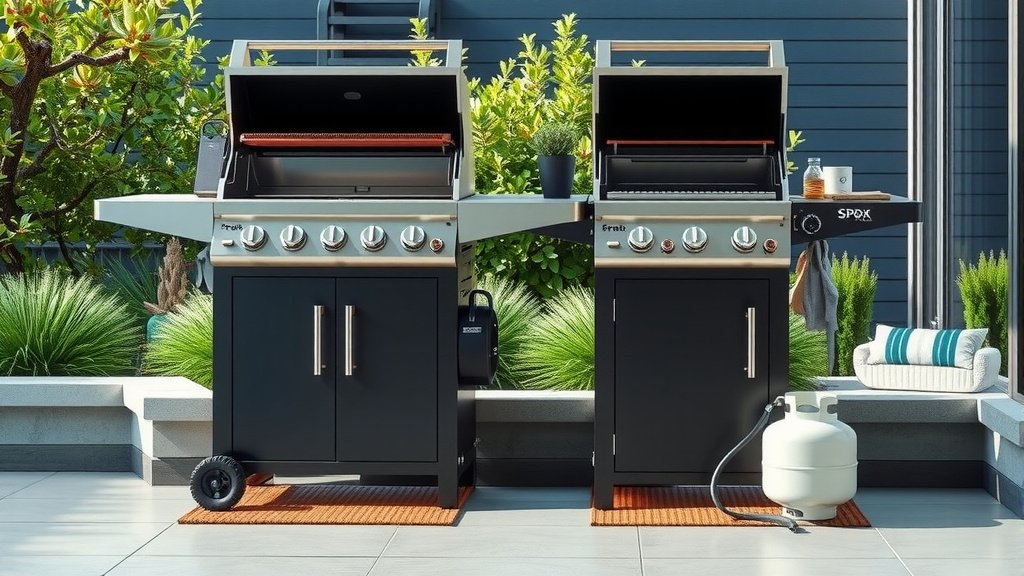
No, you absolutely cannot use propane in a natural gas grill directly. These two fuel types require different pressure settings and grill components for safe and proper operation.
Attempting to connect a propane tank to a natural gas grill without proper conversion creates a serious fire hazard and could damage your grill.
- Direct Swap is Dangerous: Never try to connect propane to a natural gas grill without professional conversion.
- Pressure Differences: Propane operates at much higher pressure than natural gas, requiring different regulators and orifices.
- Conversion is Possible: You can convert a natural gas grill to propane, but it requires a certified conversion kit and often professional installation.
- Safety First: Improper conversion can lead to leaks, fires, or explosions. Always prioritize safety.
Can You Use Propane In A Natural Gas Grill?
No, you cannot simply use propane in a natural gas grill. Doing so is extremely dangerous due to fundamental differences in how these fuels operate with your grilling equipment.
Think of it like trying to put diesel fuel into a gasoline engine. Both are fuels, but they are built for entirely different systems. Your grill is no different.
The Core Issue: Pressure and Orifices
The main reason for this incompatibility lies in fuel pressure. Natural gas comes from a low-pressure line, usually around 6 inches of water column (W.C.), straight from your home.
Propane, however, stores as a liquid under high pressure in a tank. It converts to a gas as it leaves the tank, but still delivers at a much higher pressure to your grill, often around 11 inches W.C. (National Fire Protection Association).
This pressure difference matters a lot for your grill’s tiny fuel jets, called orifices. Orifices for natural gas are larger because the fuel flows at a lower pressure. Propane orifices are smaller to handle the higher pressure and control the flame size.
What Happens If You Try to Swap?
If you connect a propane tank to a natural gas grill without conversion, you will get a tiny, weak flame, if any flame at all. The large natural gas orifices will not allow the higher-pressure propane to mix correctly with air. This leads to very inefficient combustion.
Conversely, trying to connect a natural gas line to a propane grill is equally problematic. The smaller propane orifices would restrict the low-pressure natural gas too much, again resulting in poor performance.
Safety Risks You Need to Understand
Ignoring these differences creates serious hazards. Improper fuel use can lead to dangerous situations while grilling.
- Incomplete Combustion: The wrong fuel pressure and orifice size lead to incomplete burning. This can produce carbon monoxide, an invisible, odorless, and deadly gas.
- Gas Leaks: Mismatched connections or improper conversions can cause gas leaks. Propane, being denser than air, can pool in low areas, creating an explosion risk. Natural gas rises, but still poses a significant fire hazard (U.S. Department of Energy).
- Fire Hazard: A poor air-to-fuel mix can cause flames to “lift off” or “flashback” inside the grill. This can damage components or start a larger fire.
- Grill Damage: Constant improper use could damage your grill’s burners, valves, and other internal parts over time. This shortens its lifespan and compromises its safety features.
Always remember that safety comes first. Grilling should be a relaxing experience, not a risky one.
Converting Your Natural Gas Grill to Propane
Is your heart set on using propane with your natural gas grill? Good news: a conversion is often possible! However, it is not a DIY job for everyone. This process requires a specific conversion kit and a careful hand.
What a Conversion Kit Includes
A certified conversion kit typically contains several key parts. We found these kits often include new burner orifices, a propane regulator, and possibly new gas valves for each burner. Some kits might also have a new manifold, which is the pipe that distributes gas to the burners (Many grill manufacturers confirm this).
Do You Need Professional Help?
Many experts say hiring a qualified professional is the best approach for conversion. A certified technician understands gas lines, pressures, and safety protocols. They ensure all connections are secure and leak-free. This peace of mind is worth the investment, especially when dealing with flammable gases.
If you are very handy and follow instructions meticulously, some manufacturers provide conversion kits with detailed guides. You must be absolutely confident in your abilities. We found that even a small mistake can have big consequences.
Steps for a Safe Conversion (If DIY)
If you decide to undertake a conversion yourself, pay close attention. This is a general guide; always follow your grill manufacturer’s specific instructions and kit details.
- Disconnect Gas: First, ensure the natural gas line is completely shut off and disconnected from the grill.
- Access Orifices: Remove grates, burner tents, and burners to access the manifold and burner orifices.
- Replace Orifices: Carefully unscrew the existing natural gas orifices and replace them with the smaller propane orifices from your kit.
- Install Regulator: Attach the new propane regulator to the grill’s gas inlet. This ensures the correct pressure.
- Connect Propane Tank: Securely connect your propane tank to the new regulator.
- Leak Test: This step is crucial. Mix soap and water and apply it to all connections. Turn on the gas. If you see bubbles, you have a leak. Tighten connections until no bubbles appear.
- Test Flames: Light the grill and check the flame quality. It should be blue with yellow tips, even across all burners.
Do not skip any steps. A thorough leak test can prevent accidents.
Propane vs. Natural Gas: A Quick Comparison
Let’s quickly compare these two popular grilling fuels. Understanding their differences helps you make an informed choice for your outdoor cooking.
| Feature | Propane (LP) | Natural Gas (NG) |
|---|---|---|
| Source | Portable tanks | Utility line from home |
| Pressure | Higher (approx. 11″ W.C.) | Lower (approx. 6″ W.C.) |
| Orifice Size | Smaller | Larger |
| Cost | Generally more expensive per BTU | Often cheaper per BTU (utility rates vary) |
| Portability | Excellent (take your grill anywhere) | None (grill is fixed location) |
| Storage | Refillable tanks | Continuous supply from line |
Maintaining Your Converted Grill
After conversion, regular maintenance becomes even more important. You want your grill to operate safely and efficiently for years. This keeps your outdoor cooking enjoyable.
Key Maintenance Checks:
- Check for Leaks Regularly: Use the soap and water test on all connections at least once a season or if you smell gas.
- Inspect Hoses: Look for cracks, kinks, or wear on propane hoses. Replace them immediately if damaged.
- Clean Burners: Keep burner ports clear of food debris and rust. Blocked ports can lead to uneven heating and poor combustion.
- Regulator Check: Ensure your propane regulator is in good condition. Regulators can wear out over time, affecting gas pressure.
- Ventilation: Always use your grill in a well-ventilated area. This is vital for all gas grills, especially after any modifications.
Mistakes to Avoid During Conversion
Conversions require precision. Avoid these common pitfalls to keep your grilling safe and fun.
Here’s a quick checklist to help you stay on track:
- Using Generic Parts: Only use the manufacturer-approved conversion kit for your specific grill model. Generic parts might not fit correctly or be rated for the proper pressures.
- Ignoring Instructions: Read the entire instruction manual thoroughly before starting. Do not skip steps or assume you know best.
- Forgetting Leak Tests: This is the most crucial safety step. Never operate a converted grill without performing a thorough leak test.
- Over-tightening Connections: While connections need to be snug, over-tightening can strip threads or damage components, creating new leak points.
- Working with Gas On: Always ensure the gas supply is completely shut off before making any changes or performing maintenance.
Conclusion
Using propane in a natural gas grill is not a simple plug-and-play situation. The fundamental differences in fuel pressure and grill components mean a direct swap is both ineffective and dangerous. However, converting your grill with a certified kit is a viable option. Prioritizing safety by following manufacturer instructions or hiring a professional ensures your grilling experience remains enjoyable and risk-free. Always remember that proper fuel choice and setup are key to safe and delicious results.
Can I convert any natural gas grill to use propane?
Not necessarily. While many models are convertible, it depends on the grill’s design and if the manufacturer offers a specific conversion kit for it. Always check your grill’s manual or the manufacturer’s website before attempting any conversion.
How much does it cost to convert a natural gas grill to propane?
The cost varies. A conversion kit itself might range from $50 to $200, depending on the grill model and what parts are included. If you hire a professional, labor costs will add to this, usually between $100 and $300, based on your location and the complexity of the job.
Will converting my grill void its warranty?
Yes, converting your grill can often void its manufacturer’s warranty, especially if done improperly or with unapproved parts. Always consult your grill’s warranty information before making any modifications.
Is propane or natural gas better for grilling?
Neither is inherently “better”; they just offer different benefits. Propane provides portability and heats up quickly. Natural gas offers a continuous fuel supply and can be more cost-effective over time. The choice often comes down to personal preference and access to a natural gas line.
Can I use a universal conversion kit for my grill?
It is strongly advised against using generic or universal conversion kits. Each grill model has specific requirements for orifices and regulators. Using a non-specific kit can lead to safety hazards, poor performance, and potentially irreversible damage to your grill. Always use a manufacturer-approved kit.
