
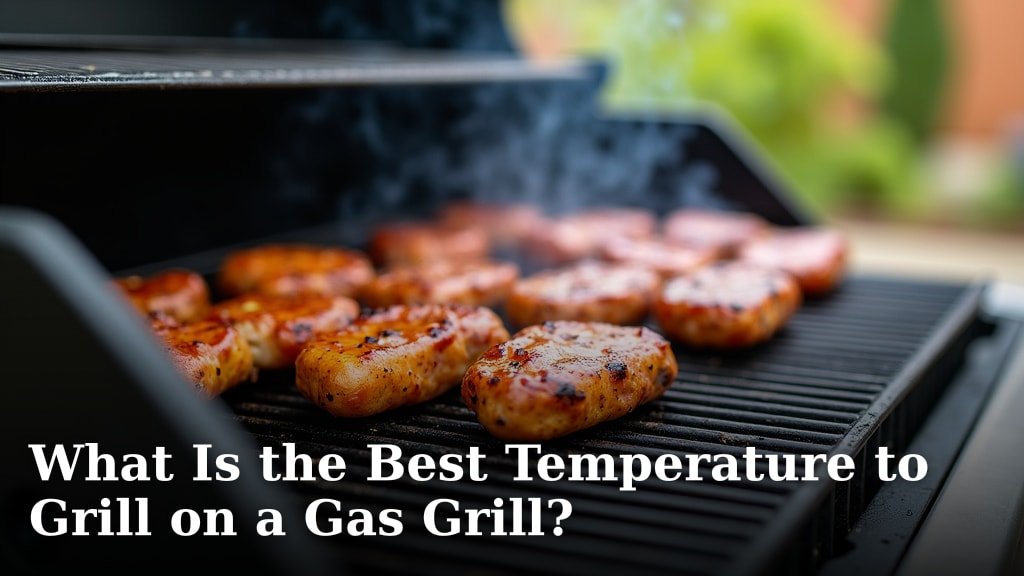
The best temperature to grill on a gas grill is typically between 400°F and 450°F for medium-high heat. This range is ideal for achieving a great sear on most foods, locking in juices. You’ll want to preheat your grill for about 10-15 minutes to ensure it reaches and maintains this target temperature for consistent cooking results.
Understanding grill temperatures is key to mastering your gas grill. Different foods require different heat levels for optimal flavor and texture. Grilling too low can lead to tough, undercooked food, while grilling too high can cause scorching. Knowing the right temperature helps you avoid common grilling mistakes and achieve delicious results every time you fire up your grill, whether it’s steaks, chicken, or veggies.
- Grill around 400-450°F for medium-high heat.
- Preheat your grill for 10-15 minutes.
- This temperature is great for searing meats.
- Adjust heat based on what you’re cooking.
Ready to get grilling? Let’s break down what those numbers really mean for your food.
Mastering Your Gas Grill: Finding the Sweet Spot for Temperature
Getting your gas grill to the right temperature is probably the most important step for grilling success. Too low, and your food might end up steamed rather than seared. Too high, and you risk a burnt exterior with a raw middle. Luckily, hitting that perfect temperature is easier than you think.
Understanding Your Grill’s Heat Zones
Most gas grills offer different heat settings, often controlled by knobs for each burner. This allows you to create hot spots and cooler zones on your grill. Think of it like having different cooking surfaces in your kitchen. You might use a high-heat zone for searing steaks and a medium-heat zone for slower-cooking chicken.
High Heat: The Searing Powerhouse
For that perfect, crusty sear on steaks, burgers, or chops, you’ll want to crank up the heat. We’re talking about a temperature range of 450°F to 550°F. This intense heat sears the outside quickly, locking in the juices and creating a delicious flavor. Many experts recommend this range for achieving that restaurant-quality crust.
Preheating is absolutely key here. You need to let the grill get seriously hot before you even think about putting food on it. This usually takes about 10 to 15 minutes, sometimes longer on a cooler day. Use a grill thermometer, or the built-in one if yours has it, to monitor the temperature.
Medium-High Heat: The All-Rounder
This is the Goldilocks zone, not too hot, not too cold. The sweet spot, as mentioned in the intro, is generally 400°F to 450°F. This temperature is fantastic for a wide variety of foods. It’s excellent for searing, but also forgiving enough for foods that take a bit longer to cook.
Think of cooking chicken breasts, pork chops, or even thicker fish fillets in this range. You’ll get a nice sear without instantly burning the outside. This heat level gives you enough control to manage the cooking process effectively. We found this range provides a great balance for most grilling tasks.
Medium Heat: Gentle Cooking
Dropping down to a medium heat, around 300°F to 350°F, is perfect for foods that need a bit more time. This is where you’d want to cook things like larger roasts, whole chickens, or delicate vegetables. It allows the food to cook through evenly without charring.
This setting is also great for indirect grilling. You can turn off one burner and place your food over the unlit burner. This creates an oven-like effect inside your grill. It’s a method many pitmasters swear by for tender, moist results on larger cuts of meat. For larger cuts like brisket, learning about indirect grilling is essential.
Low Heat: Slow and Steady
Grilling at temperatures below 300°F is typically for very slow cooking, like smoking. While most gas grills aren’t designed for true smoking, you can achieve a low-and-slow effect. This is ideal for foods that require extended cooking times to become tender, such as certain BBQ ribs or larger roasts where you want to break down connective tissues.
Keep in mind that maintaining very low temperatures on a gas grill can be tricky. You might need to adjust your burners frequently. It’s less about searing here and more about **patient cooking**. Research from culinary schools often highlights that lower temperatures are key for tenderizing tougher cuts.
How to Accurately Measure Your Grill’s Temperature
Your grill’s built-in thermometer is a starting point, but it’s not always the most accurate. These gauges are usually located under the lid, and the temperature can vary across the grill grates. For precise temperature readings, using an **external grill thermometer** is your best bet.
Placement Matters
Where you place your thermometer can affect the reading. Most recommend placing it directly on the cooking grate. You can get simple dial thermometers or more advanced digital ones. Some digital thermometers even allow you to monitor temperatures remotely, which is handy when you’re entertaining.
Checking Before You Cook
Always check your temperature after preheating. Don’t just assume it’s ready. Give it at least 10-15 minutes of preheating time. Then, place your thermometer on the grate where you plan to cook. Wait a few minutes for it to stabilize before adjusting your burners.
Adjusting Temperature for Different Foods
The “best” temperature isn’t a one-size-fits-all situation. It truly depends on what you’re grilling. Here’s a quick guide:
| Food Type | Recommended Temperature Range | Primary Goal |
|---|---|---|
| Steak (thin cuts) | 450°F – 550°F (High) | Searing, quick cook |
| Burgers | 400°F – 450°F (Medium-High) | Good sear, juicy inside |
| Chicken (pieces) | 375°F – 425°F (Medium-High) | Cook through, prevent burning |
| Pork Chops | 400°F – 450°F (Medium-High) | Sear and cook evenly |
| Fish (fillets) | 350°F – 400°F (Medium) | Cook gently, avoid sticking |
| Vegetables | 350°F – 450°F (Medium to Medium-High) | Tender crisp, char marks |
| Roasts/Whole Chicken | 300°F – 350°F (Medium, often indirect) | Slow, even cooking |
You’ll notice that different foods have different needs. For instance, thin steaks benefit from high heat for a quick sear. On the other hand, a whole chicken needs a gentler, more consistent heat to cook through without drying out. Many culinary resources suggest tailoring your heat to the **thickness and type** of food you’re preparing.
The Art of Direct vs. Indirect Heat
Understanding your grill’s temperature capabilities also means understanding how to use direct and indirect heat. This is where those different burner zones come into play.
Direct Heat: The Sear Zone
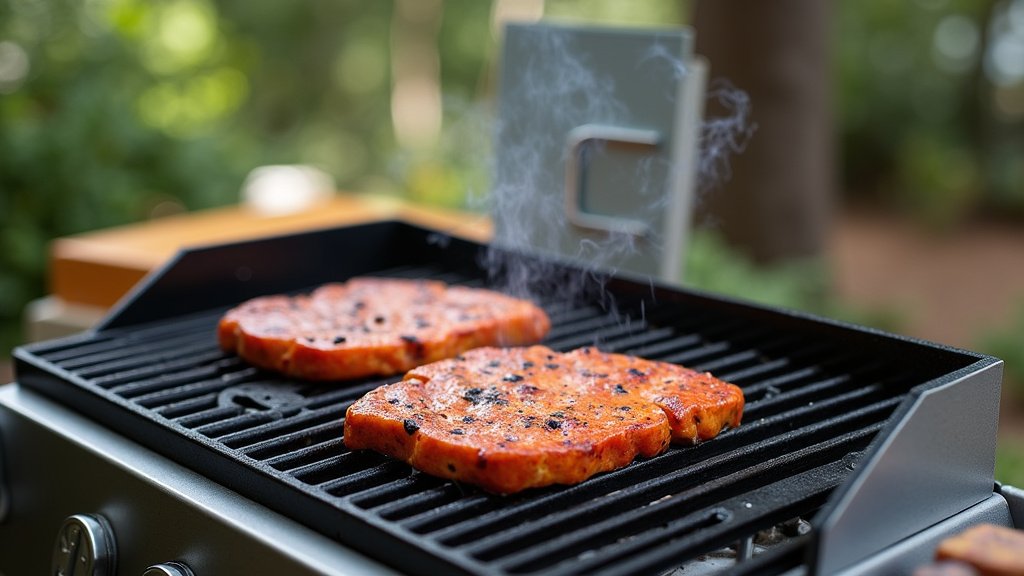
Direct heat means your food is cooking directly over the open flame or heat source. This is your go-to for quick searing and getting those beautiful grill marks. Think of placing a burger right over the hot burner. This method is typically used at higher temperatures.
Indirect Heat: The Gentle Cook Zone
Indirect heat is when your food is placed away from the direct flame. You achieve this by turning off a burner or by placing food over a cooler part of the grill. This is like using your oven. It’s perfect for cooking foods through without burning the outside, and it’s essential for larger items.
Many grilling guides suggest using a combination of both. You might start with a high-heat sear on a steak using direct heat, then move it to an indirect heat zone to finish cooking to your desired doneness. This technique gives you the best of both worlds: a great sear and perfect internal temperature.
Troubleshooting Common Temperature Issues
What happens if your grill isn’t cooperating? Don’t get discouraged! Most temperature problems are fixable.
My Grill Isn’t Getting Hot Enough
This is often due to a few things. First, check your propane tank. Is it nearly empty? A low tank can significantly reduce heat output. Second, ensure your grill lid was closed during the preheating phase. The lid traps heat, helping you reach those higher temperatures.
Another common culprit is a clogged gas line or burner ports. Over time, grease and debris can build up. You might need to clean your burners. Finally, ensure you’re giving it enough time to preheat. Impatience is rarely rewarded in grilling!
My Grill Is Too Hot and Burning Everything
If your grill is running excessively hot, you might have too many burners on high, or you might be using the wrong heat setting for your food. Try turning down one or more burners. If you’re still having trouble, try moving your food to a cooler zone of the grill.
Also, remember that windy conditions can sometimes cause the flames to flare up, making your grill hotter than intended. You might need to shield your grill slightly or adjust your heat settings more frequently on windy days. Cleaning the grease traps can also help prevent flare-ups caused by dripping fat.
Quick Checklist for Grill Temperature Success
Here’s a quick rundown to keep in mind:
- Always preheat your grill for 10-15 minutes.
- Use a reliable grill thermometer for accuracy.
- Match the temperature to the food you’re cooking.
- Utilize direct and indirect heat zones.
- Keep the lid closed during cooking when possible.
- Clean your grill regularly for optimal performance.
Conclusion
Mastering your gas grill’s temperature is your key to unlocking delicious results. You’ve learned that a range of 400°F to 450°F is your go-to for medium-high heat, perfect for searing and versatility. Remember to preheat thoroughly and always check your grill’s actual temperature with a reliable thermometer. Understanding heat zones and adjusting for different foods will transform your grilling game.
Your next step? Put this knowledge into practice! Try grilling a few different items this week, focusing on hitting those target temperatures. You’ll be grilling like a pro in no time.
Frequently Asked Questions
Is it okay to grill on a gas grill if the temperature is a bit lower than recommended?
Yes, it’s often okay to grill at slightly lower temperatures, but it depends on your food. Lower heat means longer cooking times and less searing. For delicate items like fish or vegetables, a gentler heat is actually preferred.
How do I know if my grill’s built-in thermometer is accurate?
Built-in grill thermometers can be influenced by the lid and placement. We found that they are often less accurate than an external thermometer placed directly on the cooking grate. It’s a good idea to get a separate grill thermometer for precise readings.
Can I use direct and indirect heat for the same meal?
Absolutely! Combining direct and indirect heat is a smart grilling strategy. You can sear your steaks over direct heat to get a great crust, then move them to an indirect zone to finish cooking to your desired doneness without burning.
What’s the difference between high heat and medium-high heat on my gas grill?
High heat is typically 450°F to 550°F and is best for quick searing on thin cuts like steaks or burgers. Medium-high heat, around 400°F to 450°F, offers a good sear but with a bit more control, making it ideal for chicken or thicker pork chops.
My grill seems to have hot spots. How can I manage this?
Hot spots are normal on most gas grills. You can use them to your advantage by placing foods that need higher heat directly over them for searing. For more even cooking, move foods to cooler areas of the grill once they’ve achieved the desired color.
