What Is the Best Steak for Grilling?
Ribeye is the best steak for grilling for rich flavor and a forgiving cooking window. Strip steak, sirloin, filet, porterhouse and budget cuts can be better choices when you value leanness, tenderness, size, or lower cost.
On this page (7 sections)
- What is the best steak for grilling overall?
- Which steak cuts are best for different tastes?
- What are the best cheap steaks for grilling?
- How does steak thickness change the grilling method?
- Should you grill steak over gas, charcoal or pellets?
- How should you grill the best steak?
- What is the final choice for the best steak for grilling?
Ribeye is the best steak for grilling when you want deep beef flavor, a tender bite and a forgiving cooking window. Grilling is fast and hot, and generous marbling gives you more room for error.
New York strip is a leaner premium choice with a firm, beefy bite. Sirloin is a practical value pick for weeknight meals, and filet mignon suits cooks who care most about tenderness over strong flavor.
The best cut also depends on thickness, heat control and budget. A steak that is only half an inch thick will cook through quickly, no matter how good the cut is.
A well-trimmed steak cooked to the right internal temperature will usually beat a more expensive cut that is too thin or overcooked. Thickness gives you time to build a crust before the center is done.
Ribeye suits cooks who like rich food and do not want to watch the grill every minute. Strip suits cooks who prefer a leaner steak and a clean, direct sear.
Sirloin suits cooks who want beef flavor at a lower cost and are willing to stop it at medium-rare. Filet suits small portions where tenderness is the main goal.
Porterhouse and T-bone suit sharing and cooks who want two textures in one piece. They need more space and more attention than a single cut.
Your grill setup matters as much as the steak itself. A grill with a hot zone and a cooler zone gives you options when the outside browns first.
Budget cuts can work well when you slice them across the grain and serve them right away. Premium cuts still need rest, dry surfaces and a check of the center temperature.
Start with the flavor you want, then check thickness, then match the heat. That order helps you avoid paying for tenderness you will not taste.
What is the best steak for grilling overall?
Ribeye is the best all-around steak for grilling because its marbling brings flavor and helps protect the meat from drying during high-heat cooking.
Choose a ribeye when you want a rich, beefy result with a browned crust. Bone-in ribeye can take longer to cook than a boneless cut, so allow extra time for the center to reach your target temperature.
A steak about 1 to 1.5 inches thick is easier to grill than a thin steak. You get enough time to sear both sides while keeping better control of the center.
Pat the surface dry before seasoning. Start over direct heat for browning, then move a thick steak to a cooler area if the outside is dark before the center is ready.
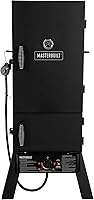
For a grill that can use more than one fuel type, the [Masterbuilt 30-Inch Dual Fuel Propane & Charcoal] product box offers a vertical smoker with propane and charcoal fuel options, over 700 square inches of cooking space, 4 smoking racks and a built-in temperature gauge. It is better suited to smoking than direct steak grilling, but it can help cooks who want to add smoked beef to their routine.
Which steak cuts are best for different tastes?
New York strip, filet mignon, sirloin and porterhouse each solve a different grilling problem. Pick by flavor, tenderness, leanness, serving size and how much control you have over the heat.
New York strip for beefy flavor with less fat
New York strip is a strong choice when you want a firm, beefy bite without as much external fat as ribeye. Its even shape makes it fairly simple to season, sear and turn.
Look for a steak with some visible marbling and a consistent thickness. Trim only large, loose pieces of fat, since a thin fat edge can add flavor while the steak cooks.
Strip steak works well over direct heat. Move it to indirect heat if the crust is ready before the center reaches your preferred doneness.
Filet mignon for maximum tenderness
Filet mignon is the best steak for grilling when tenderness matters more than strong beef flavor. It is usually lean, so careful timing matters more than with a well-marbled ribeye.
Use a thicker filet and sear it over hot direct heat. Then finish it over a cooler section of the grill if needed.
A compact gas grill can suit a small steak meal or limited outdoor space. The Camco Kuuma Stow N Go 125 has a 125 square inch cooking surface, one burner, 9,000 BTU per hour of heat output and 304 stainless steel construction.
It weighs 14.5 pounds and measures 11.25 in deep by 20 in wide by 11 in high.
For step-by-step timing, see how to cook filet on a Pit Boss or how to cook filet on a Weber Traveler.
Sirloin for value and a leaner bite
Sirloin is one of the best cheap steaks for grilling because it offers beef flavor without the cost of the most tender premium cuts. It is leaner than ribeye, so it can become dry if you leave it over high heat too long.
Choose a steak with even thickness. Season it shortly before grilling, sear it over direct heat, and let it rest before slicing.
Sirloin works well for weeknight meals, steak salads and sliced sandwiches. Read how to cook sirloin steak on a Pit Boss pellet grill for a pellet-grill approach.
Porterhouse and T-bone for two textures
Porterhouse and T-bone steaks contain two different muscles: a strip section and a tenderloin section. The tenderloin side cooks differently from the strip side, so these steaks need more attention than a single-muscle cut.
A thick porterhouse suits a larger meal or sharing. Keep the tenderloin side farther from the hottest part of the grill if it is smaller or thinner than the strip side.
You can compare the larger cut with how to cook porterhouse steak on a Pit Boss pellet grill. For the smaller bone-in option, see how to cook T-bone steaks on a Pit Boss grill.
What are the best cheap steaks for grilling?
Top sirloin, flat iron, flank and skirt steak are strong budget choices when you match the cut to the cooking method. They give good flavor but punish overcooking and wrong slicing.
Top sirloin is the simplest start because it cooks like a traditional steak over direct heat. Look for even thickness so the ends do not finish early.
Flat iron is often tender at medium-rare and sliced across the grain. It still needs a hot, short cook and a close check of the center.
Flank and skirt steak are thinner and more strongly flavored. Grill them fast over high heat, rest them, then slice across the grain into narrow strips.
Grain direction matters more with these cuts than with ribeye or strip. Slicing with the grain leaves the meat chewy even when the cook is right.
Trim only heavy fat and loose edges. Excess fat can flare over charcoal or gas, and loose pieces cook faster than the rest.
Keep seasoning simple because the beef flavor is already strong. Salt, pepper and a dry rub suit quick grilling.
For a modest setup, the Cuisinart Charcoal Grill has a portable tabletop design, a 14 in size, a 196 square inch chrome-plated grate, dual vents, an enamel-coated firebox, an ash base and 3 lid locks. That size suits a few steaks, burgers or vegetables on a table or tailgate setup, though charcoal still needs time to light and settle.
For shared meals, slice budget cuts and finish with sauce or butter. Rest them first so the juices stay in the meat and slicing is easier.
Buy by thickness first and price second. A thicker budget steak is easier to grill well than a thin premium cut.
Charcoal can add a smoky taste, but it takes longer to light and adjust than gas. Learn more about what is the best fuel type for grilling before choosing your setup.
How does steak thickness change the grilling method?
Thin steaks need fast direct heat, while thick steaks benefit from indirect heat or a reverse sear. Thickness affects timing more than the cut name alone.
A ribeye and a sirloin at the same thickness need similar attention. A thin filet and a thick filet need very different methods.
Steaks under 1 inch thick can cook through before a deep crust forms. Keep the grill hot and watch the center closely.
Dry the surface well before a thin steak goes on. Moisture slows browning and leaves a pale crust.
Season thin cuts close to cooking time for a fast sear with a tender center. Use direct heat and turn as needed.
Steaks around 1 to 1.5 inches thick give more control. Sear directly, then move away from the hottest area if the outside is done first.
That middle range suits most home grills. You can sear, turn and finish without rushing, and use a thermometer to check the center.
Very thick steaks can use a reverse sear. Cook gently with indirect heat, then finish over high heat for the crust.
This helps when the center needs more time than the surface. It gives a wider window for steaks 2 inches thick or more.
Start a thick steak on the cooler side with the lid mostly closed. Move it to direct heat only for the final crust.
Our guide to reverse sear steak on a Pit Boss pellet smoker explains that approach. You can also review what is indirect grilling when you need to finish a thick steak without placing it directly above the hottest fuel.
Indirect heat also helps bone-in cuts where the meat near the bone cooks at a different rate. Turn thick steaks more than once for more even browning.
Use an instant-read thermometer in the thickest part. Time alone is not reliable when thickness and grill heat change.
Rest the steak so the juices can settle. About five minutes suits thinner cuts, and thicker cuts can use a little more time.
If a steak is uneven, fold the thin end under or place it toward the cooler side. Decide the method before the grill is hot.
Should you grill steak over gas, charcoal or pellets?
Gas is easiest to adjust, charcoal adds a smoky flavor, and pellets provide steady heat with a wood-fired profile. The best fuel depends on how much control and preparation you want.
Gas suits quick meals because it heats and adjusts with little waiting. It is useful for thinner steaks or when you need to change heat quickly.
With gas, you can move from a hot sear to a lower finish in seconds. Cleanup is simpler because there is no ash to handle.
The trade-off is less smoke flavor unless you add a smoker box or wood chunks. That control helps with ribeye, strip and sirloin on busy weeknights.
Charcoal works well when you want stronger smoke and a traditional fire. Build a two-zone fire so one side sears while the other finishes thicker cuts.
Charcoal needs more planning at the start. You need time to light it, let the coals turn gray and spread them for even heat.
Once lit, charcoal gives strong direct heat and a smoky edge. Heat control is less exact than with gas, because vents, coal placement and lid position all change the temperature.
Pellet grills help with steady low heat and a reverse sear. They may suit cooks who want slow cooking with a final high-heat finish, depending on the grill maximum temperature.
Pellet heat is often steadier than charcoal for long, low cooks. That can suit thick steaks that need time to reach the center.
Pellets add wood flavor, though it is usually milder than charcoal smoke. The flavor depends on pellet type and cook time.
Setup takes time to heat and stabilize. Let the grill reach its set point before the steak goes on.
Fuel also affects searing. Gas and charcoal give strong direct heat for a crust, while some pellet grills need more time to reach a high sear.
Think about space and weather too. Wind can change charcoal heat and cool a gas grill, so shelter helps.
Match fuel to thickness, with thin steaks on fast gas or charcoal heat and thick steaks on two-zone or pellet methods.
How should you grill the best steak?
Dry the steak, season it, sear over direct heat, and use internal temperature rather than time alone. Cooking time changes with thickness, starting temperature, grill heat and the amount of marbling.
Follow this basic method:
- Pat the steak dry with paper towels.
- Season both sides with salt and any dry seasoning you prefer.
- Preheat the grill and create a hot direct-heat area.
- Place the steak over direct heat and turn it when the first side has a browned crust.
- Move a thick steak to indirect heat if the outside is ready before the center.
- Check the center with an instant-read thermometer.
- Rest the steak before slicing.
Avoid pressing the steak with a spatula. Juices can escape, and pressing does not make the steak cook more evenly.
For a practical pellet-grill workflow, read how to cook steak on a Pit Boss 700 or how to cook steak on a Pit Boss griddle. For a bone-in, heavily marbled cut, how to cook cowboy steaks on a Pit Boss covers the larger format.
What is the final choice for the best steak for grilling?
Pick ribeye for the best mix of flavor, tenderness and grilling forgiveness. Pick strip for a firmer, leaner premium cut, sirloin for value, filet for tenderness, or porterhouse and T-bone when you want two textures in one steak.
That short list covers most meals. Start with the flavor and texture you want, then check price and thickness.
Match the steak to the grill. Use direct heat for thinner cuts and indirect heat for thicker cuts.
A two-zone setup helps with almost every cut on this list. It gives you a place to sear and a place to finish.
Check thickness before buying. Look for even thickness from end to end, since uneven cuts are harder to cook and slice neatly.
Trim loose fat, but keep a thin fat edge if it adds flavor. Heavy, loose pieces can flare and cook away before the center is ready.
Dry the surface before seasoning. A dry surface browns faster and gives a better crust on gas, charcoal or pellets.
Use an instant-read thermometer for the center. It removes guesswork and helps you stop lean cuts before they dry out.
Rest the steak before slicing. Resting keeps juices in the meat and makes the cut easier to portion.
For ribeye, aim for rich flavor and a tender center. For strip, aim for a firm bite and a clean sear.
For sirloin, stop it at medium-rare if you can. Lean cuts lose moisture fast past that point.
For filet, keep the cook short and the heat high. Tenderness is the point, so avoid long, slow heat that dries the center.
For porterhouse and T-bone, use the cooler zone for the tenderloin side. The smaller side can cook faster than the strip side.
Budget cuts deserve the same care. Flat iron, flank and skirt steak need slicing across the grain, and they serve well for salads and sandwiches.
Keep the final choice tied to your next meal. A ribeye suits a rich dinner, while sirloin suits a simple weeknight plate.
With thickness, heat control and rest in place, the best steak for grilling is the one you can cook with confidence. That confidence comes from a clear plan and a thermometer, not from the price tag alone.
Frequently asked questions
What is the best steak for grilling?
Ribeye is the best all-around steak for grilling because its marbling adds flavor and helps it stay juicy over high heat. New York strip is a leaner choice with a firm bite, while sirloin gives you a lower-cost option.
Choose a steak at least 1 inch thick for easier temperature control.
What is the best cheap steak for grilling?
Top sirloin is one of the best cheap steaks for grilling because it has a beefy flavor and works well with direct heat. Flat iron, flank and skirt steak can also offer good value, but they need careful cooking and slicing across the grain.
Compare thickness, trimming and serving size before buying.
Is ribeye or sirloin better for grilling?
Ribeye is better when you want rich flavor and a tender bite from generous marbling. Sirloin is better when you prefer a leaner steak or need to control the budget.
Both can grill well, but sirloin benefits from avoiding overcooking and from resting before you slice it.
How thick should a steak be for grilling?
A steak about 1 to 1.5 inches thick gives you enough time to brown the outside before the center overcooks. Thin steaks cook quickly and suit hot, direct grilling, while thick steaks are easier to manage with a two-zone or reverse-sear method.
Use an instant-read thermometer for the center.