What Is a Pellet Grill?
On this page (7 sections)
A pellet grill is a versatile outdoor cooker that uses wood pellets for fuel. It offers the convenience of a gas grill with the amazing flavor of a wood smoker. These grills are great for slow-cooking, baking, roasting, and even searing.
You might think it’s just another grill, but a pellet grill combines different cooking methods. It uses an electric auger to feed pellets into a fire pot. This system gives you precise temperature control, making difficult recipes much easier to master. It truly brings set-it-and-forget-it cooking to your backyard.
- Pellet grills use wood pellets for fuel.
- They offer precise temperature control.
- You can use them for smoking, baking, and roasting.
- They provide rich, smoky flavor to your food.
- These grills make outdoor cooking simple.
Are you ready to discover if a pellet grill is perfect for your outdoor cooking adventures? We dive into what makes these grills so popular and how they work. Let’s explore everything about them, so you can decide if it’s the right choice for you.
Understanding How Pellet Grills Operate
You might wonder what makes a pellet grill different from a gas grill or charcoal smoker. It’s all in the way it creates heat and smoke. Understanding its basic mechanics helps you appreciate the precise control you get with these devices.
The Core Components of a Pellet Grill
A pellet grill is more than just a metal box with a lid. It’s a sophisticated system designed for consistency and ease of use. Let’s break down the main parts you’ll find when you peek inside.
The Hopper: Your Fuel Tank
The hopper is where you load your wood pellets. Think of it as the fuel tank for your grill. It’s usually located on the side or back. You just pour in bags of pellets, and the grill does the rest. Hoppers vary in size; some can hold enough pellets for many hours of cooking.
The Auger: The Pellet Transporter
The auger is a spiraled rod powered by an electric motor. It’s the smart part that moves pellets from the hopper to the fire pot. When you set your desired temperature, the grill’s computer tells the auger how many pellets to feed. More pellets mean more heat, fewer pellets mean less heat. It’s precise control, much like a thermostat in your home.
The Fire Pot: Where the Magic Happens
Once the pellets reach the fire pot, an ignition rod heats them up until they ignite. If the flame goes out, learn how to relight a pellet grill. This small, perforated pot is where all the combustion occurs. The burning pellets create the heat and flavorful smoke that cooks your food. It’s a very efficient burning process, so you get consistent results.
The Fan: Stoking the Flames
A small fan works alongside the auger and fire pot. It circulates air within the cooking chamber. This fan helps feed oxygen to the fire pot, ensuring a clean burn. It also distributes heat and smoke evenly around your food. This prevents hot spots and cold spots, giving you a very uniform cooking environment.
The Drip Pan and Heat Diffuser: Managing Heat and Grease
Above the fire pot, you’ll find a metal plate called a heat diffuser. It spreads the heat from the fire pot throughout the grill, keeping direct flames away from your food. On top of that is the drip pan, which catches any grease or drippings. This keeps your grill cleaner and helps prevent flare-ups. Both are key for indirect cooking.
The Pellet Grill Cooking Process
So, how does all this work together to cook your food? It’s a fairly automated process once you set your desired temperature. You really can set it and forget it for hours.
- You fill the hopper with wood pellets.
- You set your desired temperature on the controller.
- The auger feeds pellets into the fire pot based on the setting.
- The ignition rod lights the pellets; the fan stokes the fire.
- Heat and smoke circulate around your food via the fan and diffuser.
- The grill monitors the internal temperature and adjusts pellet feed as needed.
This cycle continuously repeats, maintaining a steady cooking temperature. Whether you want a low and slow smoke at 225°F or a higher roast at 350°F, the grill keeps it consistent for you. This precision is a major highlight, we found, for many backyard cooks.
The Distinct Advantages of Pellet Grills
Why choose a pellet grill over other types? Many people find the benefits simply too good to pass up. They offer a unique blend of convenience and flavor that’s hard to beat.
Ease of Use and Temperature Control
One of the biggest draws is how simple they are to operate. You just plug it in, add pellets, set the temperature, and walk away. There’s no constant fiddling with vents or monitoring fuel levels. The digital controller handles everything, much like an indoor oven. We found this “set and forget” feature to be a common reason for their popularity (Consumer Reports).
Incredible Flavor from Real Wood Smoke
Pellet grills use real hardwood pellets. This means your food gets a rich, smoky flavor that you can’t get from gas or electric grills. You can choose different types of wood pellets—like hickory, apple, or mesquite—to customize the flavor profile of your meal. It’s an authentic wood-fired taste without all the hassle of a traditional smoker.
Versatility: More Than Just a Grill
Calling it just a “grill” doesn’t do it justice. A pellet grill acts like a multi-functional outdoor cooking appliance. Many experts say they are often compared to an outdoor convection oven. This versatility opens up a world of cooking possibilities for you.
Smoking and Roasting
The ability to maintain low, steady temperatures makes pellet grills perfect for smoking ribs, briskets, and pork butts. You can achieve that desirable smoke ring and tender, juicy meat with minimal effort. Roasting whole chickens or turkeys also comes out superb, with crispy skin and moist meat.
Baking and Searing
Yes, you can actually bake in a pellet grill! Think about cooking pizzas, casseroles, or even apple pies outdoors. The convection-like heat distribution works wonderfully for baking. Some models also offer a direct flame option or a searing zone. This lets you get a good crust on steaks or burgers, adding to their usefulness.
Fuel Efficiency and Cleanup
Pellets burn very efficiently, and you typically use less fuel than you might think. Plus, cleanup is often easier than with charcoal. You’ll mostly just have a small amount of ash to empty from the fire pot. The drip tray also helps keep the main cooking chamber tidier.
Potential Downsides to Consider
While pellet grills offer many advantages, they aren’t without a few potential drawbacks, as this guide to pellet grill negatives explains. It’s smart to know these before you buy one. Every cooking appliance has its quirks, right?
Reliance on Electricity
Unlike charcoal or gas grills, pellet grills require an electrical outlet to operate. This powers the auger, fan, and digital controller. If you lose power, your grill won’t work. This also means you need to plan for an extension cord if your outdoor cooking spot isn’t near an outlet. For tailgating or camping, this can be a limitation.
Initial Cost and Pellet Expense
Pellet grills generally have a higher initial price tag than basic charcoal or gas grills. They are more complex machines, after all. You also need to factor in the ongoing cost of wood pellets. While not overly expensive, they are a specific fuel source you’ll need to purchase regularly, unlike refilling a propane tank.
Limited High-Heat Searing
Traditional pellet grills excel at low and slow cooking or roasting. However, many models struggle to reach the extremely high temperatures needed for a hard, quick sear on a steak. Some newer models have addressed this with separate sear zones or direct flame access, but it’s not universal. If super-hot searing is your top priority, you might want a hybrid model or a separate searing station.
Is a Pellet Grill Right for You?
After learning about how they work and their pros and cons, you might be asking: is this the grill for me? Let’s help you figure that out with a quick checklist.
Consider a pellet grill if you:
- Want authentic smoky flavor without the hassle.
- Value precise temperature control and “set-it-and-forget-it” cooking.
- Are looking for a versatile cooker that can smoke, roast, and bake.
- Appreciate easier cleanup compared to charcoal.
- Have access to an electrical outlet for outdoor cooking.
- Are willing to invest a bit more upfront for convenience and features.
Pellet grills are a fantastic choice for anyone who loves delicious, wood-fired food but prefers an easier process. They make outdoor cooking approachable for beginners and beloved by seasoned pitmasters seeking consistency. Many folks find they become their go-to outdoor cooking solution for almost everything.
Comparing Pellet Grills to Other Types
It’s helpful to see how pellet grills stack up against other popular grill types. Each has its own strengths, but notice where pellet grills truly shine.
| Feature | Pellet Grill | Gas Grill | Charcoal Grill |
|---|---|---|---|
| Fuel Type | Wood Pellets | Propane or Natural Gas | Charcoal Briquettes/Lump |
| Temperature Control | Excellent (Digital, PID) | Good (Knobs) | Manual (Vents, Diffcult) |
| Flavor Profile | Authentic Wood Smoke | Mild (Optional Wood Chips) | Charcoal Smoke |
| Ease of Use | Very High (Set-and-Forget) | High (Quick Start) | Medium (Requires Setup) |
| Versatility | High (Smoke, Roast, Bake) | Medium (Direct, Indirect) | Medium (Direct, Some Smoke) |
| Required Power | Electricity | None (for basic; some have igniters) | None |
As you can see, pellet grills offer a unique blend of flavor and convenience. They take the ease of a gas grill but infuse your food with the rich, smoky taste you’d normally only get from a traditional wood smoker. It’s a great middle ground, providing the best of both worlds for many home cooks.
Conclusion
You’ve now got a solid understanding of what a pellet grill is and how it works. We’ve seen how they bring together the precise control of an oven with that coveted wood-fired flavor. While they do need electricity and have a higher upfront cost, for many, the ease of use and versatility are well worth it. If you love delicious smoked foods but want a “set-it-and-forget-it” experience, a pellet grill could be your next favorite outdoor cooker. Consider adding one to your backyard and start enjoying amazing meals with less fuss.
Frequently Asked Questions
Are pellet grills difficult to clean?
No, many people find pellet grills easier to clean than traditional charcoal grills. They produce less ash, and the drip pan helps contain grease. Regular emptying of the ash pot and cleaning the grates are usually all that’s required.
Can I use any type of wood pellet in my pellet grill?
You should only use food-grade hardwood pellets specifically designed for pellet grills. These pellets are made from compressed sawdust of various hardwoods and contain no binders or chemicals that could harm your food or grill.
How long do wood pellets typically last in a pellet grill?
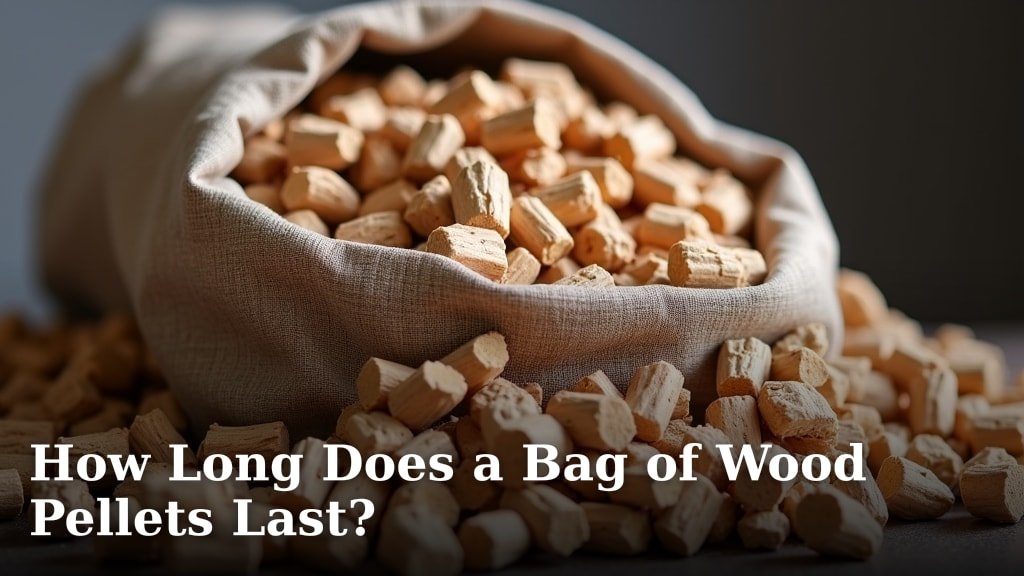
The burn rate of pellets varies depending on your grill’s temperature setting and the ambient weather. On average, a pellet grill uses about 1-2 pounds of pellets per hour for smoking (low temps) and 2-3 pounds per hour for grilling (higher temps).
Do pellet grills provide the same smoky flavor as traditional smokers?
Pellet grills create authentic wood smoke flavor, similar to traditional smokers, but it can be milder. This is because they burn pellets very efficiently and cleanly. You can enhance the smoke flavor by using specific pellet blends or adding a smoke tube.
Can a pellet grill be left outside year-round?
While pellet grills are built for outdoor use, it’s best to protect them from the elements when not in use. A good quality grill cover will shield it from rain, snow, and UV rays, helping to extend its lifespan and keep it looking new.