Custom Offset Smokers: What to Look For
The best custom offset smoker starts with thick steel, controlled airflow, useful cooking capacity and clean fabrication. Review the firebox, cooking chamber, welds, doors, grates and trailer or cart design before commissioning one.
On this page (13 sections)
- What should you look for in a custom offset smoker?
- How thick should the steel be?
- How does airflow affect a custom offset smoker?
- What cooking capacity do you need?
- Which fabrication details matter most?
- Should you choose a standard offset or reverse-flow design?
- What firebox design should you request?
- Which materials and accessories are worth adding?
- How do these products compare with a custom build?
- What should you ask a fabricator before commissioning?
- How should you season and clean a custom offset smoker?
- More guides on this topic
- Is a custom offset smoker right for you?
A custom offset smoker should be built around steel thickness, airflow, capacity and fabrication quality. Before you commission one, ask for exact chamber measurements, firebox dimensions, metal thickness, grate layout, door details and the way heat and smoke will travel.
A custom build can solve problems that store-bought smokers leave behind. You can request a certain cooking height, a larger firebox, extra shelves, a trailer frame or a cooking chamber sized for your usual cuts.
The trade-off is that the design becomes your responsibility. A smoker can look impressive and still have poor airflow, uneven heat or awkward access if the builder does not explain the design clearly.
What should you look for in a custom offset smoker?
Look for a sealed cooking chamber, a correctly sized firebox, adjustable vents and clean fabrication. Those parts affect how easily you can hold a cooking temperature and move smoke through the chamber.
Start with the parts that control the fire. A firebox needs enough room for the fuel you plan to burn, but an oversized box can make small cooks less efficient.
The cooking chamber should close firmly without large gaps around the door. Some airflow is necessary through the designed vents, but unwanted leaks can make the fire harder to control.
Ask the fabricator to show where the intake vents, exhaust stack and cleanout points will sit. You should understand how air enters the firebox, how smoke reaches the chamber and how it leaves.
A smoker should also match your working height. If the grates are too low, loading and turning food becomes tiring.
If the chamber is too high, checking food and adding fuel can become awkward.
How thick should the steel be?
The best steel thickness depends on the smoker's size, fuel plan and location, but you should get the actual measurement for the cooking chamber and firebox. “Heavy duty” is not enough information for a custom order.
Thicker steel generally stores more heat and changes temperature more slowly. That can help when wind or cold weather pulls heat away from the smoker.
Thinner steel can warm faster and may reduce the weight of a cart or trailer. It can also respond more quickly to fuel changes, but it may be more sensitive to weather and poor fire management.
Do not assume the firebox and cooking chamber should use identical steel. The firebox faces direct heat, ash and repeated temperature swings, so its construction deserves special attention.
Ask these questions before approving the build:
- What is the exact thickness of the cooking chamber?
- What is the exact thickness of the firebox?
- Are the doors reinforced to reduce warping?
- Are the cooking grates supported across their full width?
- Will the smoker sit outdoors, under cover or on a trailer?
- How will the builder protect exterior steel from rust?
- Can the builder provide a drawing with dimensions and vent locations?
A clear answer is more useful than a weight claim. Total weight can include shelves, wheels, handles and a frame, so it does not tell you how much steel is in the chamber.
How does airflow affect a custom offset smoker?
Airflow determines how cleanly the fire burns and how evenly heat and smoke move through the chamber. A good design gives you adjustable intake air, a practical exhaust path and enough room for smoke to enter without racing through one side.
The firebox intake controls how much oxygen reaches the fuel. It should be easy to adjust while wearing heat-resistant gloves and should stay in place after you set it.
The exhaust stack helps draw heat and smoke through the smoker. Its position and size should fit the chamber rather than being added as decoration.
Ask how the builder plans to prevent a strong hot spot near the firebox. Options may include a baffle, tuning plates or a carefully shaped transition between the firebox and cooking chamber.
Tuning plates can help you adjust heat across the grate. They also add another part to clean and position, so ask whether you can remove them without lifting the entire cooking grate.
The door seal matters as much as the vents. A door that leaks heavily can pull air through unwanted gaps and make the intake vent less useful.
A built-in thermometer is helpful, but one gauge may not show the temperature across the full grate. Leave room for your own temperature checks at the firebox side, center and stack side when you cook.
If you are new to managing a live fire, read how to use an offset smoker grill before finalizing the design. The guide can help you think through fire access, temperature checks and cooking flow.
What cooking capacity do you need?
Choose capacity based on your largest normal cook, not the biggest brisket you might smoke once. The chamber should hold your food with space around each piece so smoke can move.
Make a short list of the foods you cook most often. Include brisket, pork shoulder, ribs, chicken, sausages or vegetables if they are part of your regular plan.
Then decide whether you need one grate level or several. Multiple levels can increase capacity, but they also make temperature differences more important.
Measure the cuts you usually buy before choosing the chamber length. A brisket may fit diagonally in one smoker and lie flat in another, so usable grate shape matters more than a single square-inch number.
Think about access as well. A deep chamber can hold more food, but reaching the back may require removing the front row.
A custom smoker may also include a warming area, prep shelf or separate cooking chamber. Add these only if they support your routine, because every extra section adds weight, surface area and cleaning work.
For a simpler starting point, compare the best offset smokers for beginners. A ready-made smoker can help you learn your preferred chamber size before you commission a larger build.
Which fabrication details matter most?
Clean welds, square doors, strong hinges and stable grates matter more than decorative details. A smoker needs to stay aligned after repeated heating and cooling.
Inspect the welds around the cooking chamber, firebox and door frames. They should look continuous and solid, without obvious gaps, rough breaks or areas that appear unfinished.
Check whether the doors sit squarely against their openings. A door that binds when cold may become more difficult to operate after the metal heats.
Strong hinges should support the door without excessive movement. Ask whether the hinges can be repaired or replaced if they wear out.
The cooking grates should sit level and remain stable when you move food. Removable grates are easier to clean, but they should not shift when you slide a heavy pan across them.
Look at the firebox connection. This area receives intense heat and should not leave a sharp ledge that blocks fuel placement or makes ash removal difficult.
A drain can make cleaning easier, but it should not allow rainwater to collect inside the chamber. Ask where grease and wash water will go and how you will access the drain.
The finish should match the intended use. Exterior paint or coating needs to tolerate outdoor exposure, while cooking surfaces should be prepared for high heat and food contact.
Should you choose a standard offset or reverse-flow design?
Choose a standard offset smoker for direct fire-to-chamber airflow, or choose a reverse-flow design if you want heat and smoke to travel under a baffle before crossing the food. The better choice depends on how much adjustment you want during a cook.
A standard offset can offer a direct layout with fewer internal parts. You may need to manage hot and cool zones by moving food, adjusting vents or adding tuning plates.
A reverse-flow smoker can spread heat through the chamber before the smoke reaches the food. The baffle adds weight and cleaning work, and its design affects how evenly the chamber runs.
Read offset smoker vs reverse flow smoker before choosing the layout. Pay attention to grate access, fuel use, heat zones and the way each design handles small and large cooks.
A custom builder should be able to explain the airflow path with a simple drawing. If the explanation depends only on appearance or vague promises, ask for more detail before paying a deposit.
What firebox design should you request?
A firebox should be large enough for your fuel and easy to tend without opening the cooking chamber. Its door, intake vent and ash area should work together.
Ask how much wood the firebox is designed to hold at one time. A small cooking chamber may need shorter splits and a smaller fire, while a large chamber may need more frequent fuel additions.
The firebox door should open wide enough for safe loading. It should also have a handle that remains practical when the metal is hot.
An adjustable intake vent gives you control over oxygen. The vent should move smoothly and close tightly enough to reduce the fire when you need to lower the heat.
Ash removal is another key detail. A raised grate or removable ash pan can make cleanup easier, but it may reduce the space available for fuel.
Ask whether the firebox can accept charcoal, wood or both. If you plan to cook with split wood, confirm the firebox dimensions and grate height suit that fuel.
Avoid choosing a huge firebox only because it looks powerful. Excess space can encourage large fires that waste fuel and make temperature control harder during small cooks.
Which materials and accessories are worth adding?
Add only features that improve cooking, access or maintenance. Extra shelves, wheels, storage and thermometers can help, but every addition affects weight and cost.
A front shelf gives you a place to set trays and tools. Make sure it does not block the door or force you to stand too far from the firebox.
A side shelf near the firebox can support fuel or gloves, but it should remain far enough from hot surfaces for safe use. Ask how the shelf folds or stores if space is limited.
Large wheels help with movement across suitable ground. Confirm that the frame, wheel size and handles match the surface where you plan to use the smoker.
A trailer build needs attention to balance, lighting, storage and legal requirements in your area. Ask the builder to state what is included rather than assuming every visible part comes with the smoker.
A separate warming cabinet can keep cooked food away from the direct fire. It also adds another door, seal and surface that you will need to clean.
For a compact side-firebox layout, compare the best side box smoker options. They can show how a smaller cooking chamber, firebox and cart arrangement work together.
How do these products compare with a custom build?
These products offer useful reference points for size, layout and daily workflow. They are not custom smokers, but each shows a different way to think about cooking area, fuel control and access.
Royal Gourmet CC1830S BBQ Charcoal Grill
The Royal Gourmet CC1830S BBQ Charcoal Grill suits a buyer who wants a charcoal grill with an attached offset smoker and a defined, compact layout. It has 824 sq. in. of total cooking area, including 475.3 sq. in. of porcelain-enameled steel wire cooking grates, a 151 sq. in. chrome-plated warming rack and a 197.3 sq. in. offset smoker.
Its 2-level height-adjustable charcoal pan shows how changing the distance between food and fuel can support heat control. The side door provides access for adding charcoal and removing ash, while the lid thermometer gives you one built-in temperature reference.
The front and side tables create working space for seasonings and tools. The bottom shelf holds up to 20 lb of accessories when evenly distributed, so storage should remain limited to suitable lightweight items.
This model is a practical comparison point if you are deciding how much cooking space you actually need. Its 28.56 x 51.69 x 46.89 in dimensions and 45.2 lb weight also show why a custom smoker's footprint and mobility should be discussed early.
Masterbuilt 30-Inch Dual Fuel Propane & Charcoal
The Masterbuilt 30-Inch Dual Fuel Propane & Charcoal suits a cook who values a vertical layout and the choice of propane or charcoal. It has 4 chrome smoking racks and 717 sq. in. of cooking space.
Its stainless steel burner, type 1 regulator and hose support the propane setup. A push-button ignition gives you a different starting method from a wood-fired offset.
The porcelain-coated wood chip tray and water pan show how a vertical smoker can separate smoke material and moisture from the main fuel system. The locking door has a built-in temperature gauge and a cool-touch wire handle.
At 20.5 x 28.5 x 43.5 in and 59 lb, it has a taller footprint than the horizontal Royal Gourmet examples. If you prefer a custom horizontal smoker, use this as a reminder that cooking capacity can be arranged vertically or across a long grate.
Royal Gourmet CC1830SC Charcoal Grill Offset Smoker
The Royal Gourmet CC1830SC Charcoal Grill Offset Smoker suits a buyer who wants the same 824 sq. in. cooking-area breakdown as the CC1830S with a grill cover included. Its cooking area includes 475.3 sq. in. of porcelain-enameled steel wire cooking grates, a 151 sq. in. warming rack and a 197.3 sq. in. offset smoker.
The 2-level adjustable charcoal pan holds up to 4.4 lb of coal. Its side door supports charcoal and ash access, while the air vent helps adjust the fire.
The front and side tables provide workspace, and the bottom shelf holds up to 20 lb of evenly distributed accessories. The included cover is useful when planning how outdoor protection fits into your own smoker setup.
This model measures 28.56 x 51.69 x 46.89 in and weighs 48.5 lb. The close dimensions between the two Royal Gourmet models show how a cover and small design changes can affect the finished package without changing the basic cooking layout.
What should you ask a fabricator before commissioning?
Ask for written dimensions, materials, airflow details, delivery terms and care instructions. A clear written plan reduces the chance of receiving a smoker that looks different from the one you expected.
Confirm the following before work begins:
- Cooking chamber length, diameter and grate height
- Firebox length, width, height and door size
- Steel thickness for the chamber, firebox and doors
- Cooking grate material and removable sections
- Intake vent location and adjustment range
- Exhaust stack location, height and control method
- Baffle or tuning-plate design
- Door hinges, handles and sealing method
- Grease drain and ash-removal design
- Wheels, handles, shelves or trailer parts included
- Exterior finish and seasoning instructions
- Delivery date, deposit terms and final payment terms
Ask for a simple drawing that shows the cooking grate, firebox opening and exhaust path. You do not need an engineering document to spot an unclear layout.
Also ask how the smoker will be moved into place. A custom build can be much heavier or wider than a store-bought unit, especially after shelves, wheels and a trailer frame are added.
How should you season and clean a custom offset smoker?
Season a new custom offset smoker by cleaning the cooking surfaces, drying them and building a protective oil layer with controlled heat. Follow the fabricator's instructions for the finish and avoid treating painted exterior surfaces like bare cooking steel.
Remove dust, loose residue and fabrication debris before the first cook. Use products and methods suitable for the grate material and any coating that touches food.
Apply a thin layer of cooking oil to appropriate interior cooking surfaces. Too much oil can become sticky, so thin coverage is easier to manage.
Build heat gradually and watch for smoke from the oil. Keep the fire controlled rather than forcing the smoker to an extreme temperature before you understand how it responds.
After cooking, let the smoker cool before removing ash. Brush the grates, clear grease from drains and keep the chamber dry.
Read How to Season a Offset Smoker? for a fuller setup checklist. For regular maintenance, use How to Clean a Offset Smoker? to plan ash removal, grate care and exterior protection.
A cover can help limit exposure, but it does not replace airflow around the smoker. Do not trap moisture against the metal by covering a wet smoker.
More guides on this topic
- Best Heavy Duty Offset Smokers
Is a custom offset smoker right for you?
A custom offset smoker is worth considering when you know the cooking chamber size, fuel style and working height you want. It is less suitable when you are still learning whether you prefer horizontal offset cooking, vertical smoking or a different fuel system.
Choose a custom build if you need a specific grate layout, a special cart or trailer arrangement, a larger firebox or a cooking height that standard models do not offer. Have the builder document airflow and steel thickness before you commit.
Choose a ready-made smoker if you want a faster decision, a known footprint and a simpler way to learn your preferred capacity. The Royal Gourmet examples provide horizontal charcoal offset layouts, while the Masterbuilt shows how a vertical dual-fuel design changes the workflow.
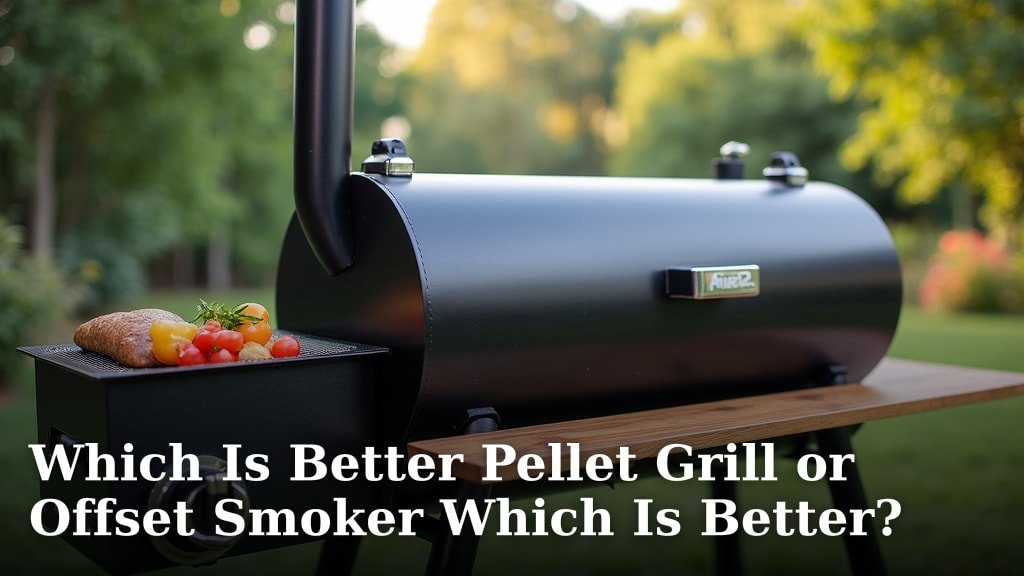
For wood-focused comparisons, review the best offset wood smokers. If you are comparing fuel systems, read Which Is Better Pellet Grill or Offset Smoker Which Is Better?.
The decision rule is simple: commission a custom offset smoker when the design solves a specific problem you can describe, and choose a standard model when your needs fit an existing chamber, firebox and airflow layout.
Frequently asked questions
What steel thickness is best for a custom offset smoker?
Thicker steel usually holds heat more steadily and resists warping better, but the right thickness depends on the smoker's size, fuel use and budget. Ask the fabricator for the actual chamber and firebox thickness, not only a general statement that the smoker is heavy duty.
What makes a good custom offset smoker?
A good custom offset smoker has a well-sized firebox, a sealed cooking chamber, adjustable airflow, strong hinges, level cooking grates and a clean path for heat and smoke. The builder should explain the steel thickness, dimensions, grate layout, drain points and finishing process before work begins.
Is a reverse-flow smoker better than a standard offset?
A reverse-flow smoker directs heat and smoke under a baffle before they travel across the cooking chamber, while a standard offset sends heat from the firebox toward the chamber. Neither is automatically better; choose based on heat control, grate access, fuel use and the cooking style you prefer.
How large should a custom offset smoker be?
Choose a chamber large enough for your usual cooks, with space around the food for airflow and future needs. Oversizing can increase fuel use and warm-up time, while undersizing makes briskets, ribs and multiple cuts harder to arrange without crowding.
How do you care for a custom offset smoker?
Remove ash after the smoker cools, brush loose residue from the grates, keep the cooking chamber dry and protect bare steel with a suitable cooking-oil seasoning layer. Inspect hinges, seals, welds and drains regularly so small problems do not become larger repairs.