Offset Smoker vs Reverse Flow Smoker: Which to Choose? (November 2026)
Choose a conventional offset for simpler airflow and a reverse flow design for heat that travels beneath the cooking chamber before returning. Both need charcoal management, but their baffle layouts change how heat reaches the food.
On this page (8 sections)
- Offset smoker vs reverse flow smoker: how does heat move?
- Which design spreads heat more evenly?
- What does fire tending look like in each smoker?
- Which smoker layout suits your cooking style?
- What should you check before buying an offset smoker?
- Which products fit common offset smoker needs?
- How do you keep an offset smoker clean?
- Offset smoker vs reverse flow smoker: which should you choose?
Choose a conventional offset for a direct path from firebox to cooking chamber, or a reverse flow smoker for heat routed under a baffle before it returns across the food. The right choice depends on the heat pattern you want and how closely you can tend a charcoal fire.
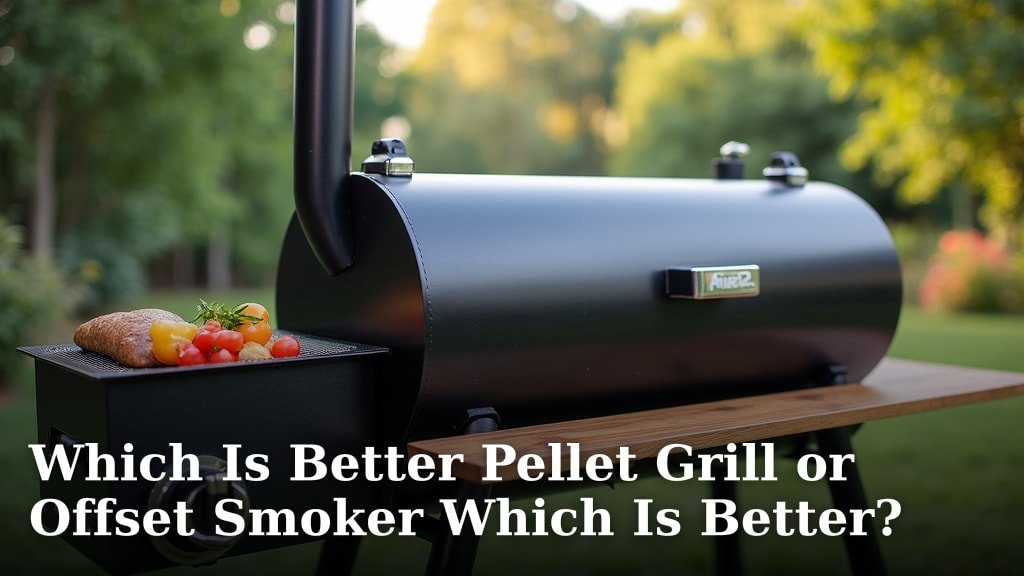
Both designs use an offset firebox to keep the main fuel source away from the food. If you're shopping for this layout, compare smokers with a side firebox.
The key difference is the route heat and smoke take through the cooking chamber.
Offset smoker vs reverse flow smoker: how does heat move?
A conventional offset sends heat from the firebox across the cooking chamber toward the exhaust; a reverse flow model sends it under a baffle and back over the food. That change affects heat distribution and the smoker's layout.
In a conventional offset, the firebox connects to one end of the cooking chamber. Heat and smoke enter from that end and flow toward the exhaust, so areas near the firebox can run hotter than areas farther away.
A reverse flow smoker adds a metal plate beneath the cooking grate. Heat travels under the plate, turns at the far end, then returns above it toward the exhaust.
The plate shields food from direct radiant heat and spreads warmth along the chamber. It also creates a surface that can collect drippings, so follow the maker's cleaning and maintenance directions.
Which design spreads heat more evenly?
Reverse flow can reduce the temperature difference between the firebox end and the far end, but neither design guarantees one even temperature across the grates. Fire management, airflow, leaks and weather still shape the cook.
The reverse flow plate makes heat take a longer path, which can soften the direct hot spot close to the firebox. The plate's stored heat can also help steady temperatures, though it takes time to warm up.
Conventional offsets often have a stronger temperature gradient along the grate. That difference can be useful if you want hotter and cooler zones, but it may mean rotating or repositioning food during a long cook.
Measure temperatures at the grate level where the food will sit. A lid thermometer shows chamber conditions at its own location, which may not match the temperature near the meat.
Is a reverse flow smoker easier to manage?
A reverse flow layout can make temperatures more consistent across the cooking chamber, which may reduce how often you move food. It still needs a clean-burning fire and adjustments to fuel and airflow.
A baffle doesn't control the fire for you. Wind, cold weather, fuel size and the smoker's construction can all change how often you need to adjust vents or add charcoal.
If you'd like a closer look at tending an offset fire, see our guide to how to use an offset smoker grill. It covers fire setup and temperature control for an offset cook.
What does fire tending look like in each smoker?
Both designs require active fire management, and the chamber layout affects how you respond to temperature changes. Plan to monitor the fire, exhaust and cooking temperatures instead of expecting either smoker to hold a set temperature unattended.
With a conventional offset, adding fuel or adjusting airflow can have a noticeable effect near the firebox end first. You may need to use the cooler end for food that needs more time or shift pieces as the cook progresses.
A reverse flow plate adds thermal mass. It can take longer to respond when you change the fire, so make gradual adjustments and give the chamber time to react.
The number of times you tend a smoker depends on its build and the cooking conditions. Look for solid construction, workable vents and a firebox that fits the fuel and cook length you expect.
Which smoker layout suits your cooking style?
Choose conventional offset if you want temperature zones to use during a cook; choose reverse flow if a steadier chamber pattern is your priority. Your cooking habits and the cuts you make often matter more than the design label.
A conventional layout may suit cooks who like to manage zones and are comfortable rotating food. A reverse flow layout may fit cooks who prefer a more uniform heat path and don't mind waiting for the baffle to warm.
Think about the shape and quantity of food you prepare. Long ribs or large cuts need grate space that lets smoke move around them, while smaller foods can make good use of separate temperature zones.
Vertical models add another choice: multiple shelves arrange food above the heat path instead of across a long barrel. If that layout interests you, compare the Best Offset Smoker For Seniors guide for options with practical handling and cooking features.
When is a conventional offset the better choice?
A conventional offset makes sense if you want a familiar firebox-to-chamber path and value a range of temperatures across the grate. That gradient can let you keep some food warmer or cook pieces at different rates.
It also gives you a clear layout for reading how heat moves from the firebox end to the exhaust end. A cook who understands those zones can use them instead of trying to make every spot identical.
Choose carefully if frequent tending is a concern. A conventional offset can call for moving food and adjusting the fire more often when heat varies across the grate.
When is a reverse flow smoker the better choice?
A reverse flow model suits cooks who want a baffle to route heat beneath the food before it returns through the chamber. That path can help reduce the hotter zone nearest the firebox.
The design may be less convenient if you want quick temperature changes. The plate absorbs and releases heat, so allow it time to warm and respond when you change the fire.
Look for a design that makes the baffle and grease path practical to clean. A more involved internal layout can add maintenance steps, depending on how the smoker is built.
What should you check before buying an offset smoker?
Check the chamber size, firebox access, airflow controls and cleaning needs before choosing between the two airflow designs. Those details determine whether the smoker fits your cooks and routine.
First, consider what you smoke most. A small household may not need a large vertical cabinet, while batch cooking can make extra grate area useful.
Then look at how fuel and ash are handled. A side door for charcoal and ash can simplify tending, while a removable ash pan gives you a defined place to collect ash.
A custom offset smoker can offer a layout built around your cooking needs, but compare its firebox, baffle, grate space and maintenance access with standard designs. Custom features only help if they solve a real problem for your cooks.
If automated heat control matters more than tending a live charcoal fire, compare the tradeoffs in pellet grills and offset smokers. Pellet grills use a different fuel and control approach.
Which products fit common offset smoker needs?
Choose a grill-and-smoker combination for direct grilling plus smoking, or a vertical offset for cooking on several adjustable grates. These options show how layout and capacity can shape the choice.
How do you keep an offset smoker clean?
Clean the firebox, cooking chamber and any baffle according to the smoker's manual, and remove ash after it cools. Regular care helps keep airflow paths open and makes grease easier to manage.
A reverse flow plate can hold grease and food residue beneath the cooking area. Check how it lifts or slides out before buying, since access affects how easily you can clean it.
For a conventional offset, clear ash from the firebox and check the connection between the firebox and cooking chamber. Built-up ash can obstruct airflow, while grease can collect near the cooking surfaces.
Use the steps in our guides for how to clean an offset smoker and how to season an offset smoker. Follow the specific model's manual for cleaning products and safe handling.
Offset smoker vs reverse flow smoker: which should you choose?
Pick a conventional offset if you want distinct grate zones and are ready to manage them; pick reverse flow if a baffle-guided heat path better matches your preference for more even cooking. In either case, choose the size and fire controls that fit your usual cooks.
A reverse flow design can reduce heat differences along the chamber, but it still depends on a well-managed fire. A conventional offset can offer useful hot and cool zones if you know how to work with them.
Start with the food you cook, how much attention you can give the fire and how you'll clean the smoker. Those answers point to the layout that will work better in your yard.
Frequently asked questions
What is the main difference between an offset and reverse flow smoker?
A conventional offset sends heat and smoke from the firebox into the cooking chamber and toward the exhaust. A reverse flow design uses a baffle plate to guide them beneath the cooking area before they turn back toward the exhaust, changing the heat path and how it spreads.
Does reverse flow make a smoker cook evenly?
A reverse flow baffle can help spread heat along the cooking chamber, but it doesn't guarantee the same temperature at every grate position. Fire size, airflow, weather, leaks and how the smoker is built all affect cooking, so check temperatures where your food sits.
Which smoker needs more tending?
Both styles need you to manage fuel, airflow and cooking temperature. The design alone doesn't determine how often you add fuel; firebox size, insulation, weather and cooking temperature matter too.
Choose a model whose firebox and controls suit the time you can spend monitoring it.
Can you use a conventional offset like a grill?
Some offset combinations include a main charcoal grill alongside the smaller smoker chamber, so they can handle direct grilling and smoking. A dedicated offset smoker is built around indirect cooking.
Check the layout and cooking surfaces of the exact model before choosing.
Is a vertical offset smoker the same as reverse flow?
No. Vertical describes the cooking chamber's orientation, while reverse flow describes the route heat and smoke take through the chamber.
A vertical offset can use a conventional or modified airflow path, so check the smoker's baffle design rather than inferring it from its shape.