How to Relight a Pellet Grill?
On this page (6 sections)
Yes, you can relight your pellet grill if the fire goes out. It’s a common issue, and thankfully, fixing it is usually quite straightforward. Most pellet grills have a simple restart process that gets you back to cooking in no time. You don’t need to be a grill master to relight your grill.
When your grill’s fire unexpectedly dies, it can be frustrating, especially mid-cook. This often happens due to factors like a lack of pellets, wind, or even a malfunctioning igniter. Understanding why it happened helps prevent it from recurring. Many grill owners have faced this, and a quick restart is often the solution.
- Check pellet levels first.
- Ensure the fire pot isn’t clogged.
- Follow your grill’s specific restart steps.
- Be patient during the ignition process.
Let’s walk through exactly how to get your pellet grill fired up again, step by step.
Troubleshooting Your Pellet Grill’s Flame: A Quick Restart Guide
Did your pellet grill suddenly go out mid-cook? Don’t panic! It happens to the best of us, and getting that flame back is usually much easier than you think. We’ll guide you through the simple steps to relight your pellet grill.
Understanding Why Pellet Grills Go Out
Before we jump into relighting, let’s quickly touch on why your grill’s fire might have extinguished. Knowing the cause can help prevent it from happening again. Common culprits include running out of fuel, severe wind gusts, or a buildup of ash in the fire pot.
Pellet Supply Issues
This is the most common reason. Pellet grills need a constant supply of pellets to keep the fire going. If your hopper is empty, the grill will eventually burn out. Always keep an eye on your pellet level, especially during longer cooks.
Environmental Factors
Wind can be a grill’s worst enemy. Strong gusts can blow out the flame, especially in the fire pot. Some grills have better wind guards than others, but even the best can be affected in severe weather. Rain can also be an issue if your grill isn’t properly covered.
Ash and Debris Buildup
Ash from previous cooks can accumulate in the fire pot. This buildup can smother the flame or prevent new pellets from igniting properly. Regular cleaning is key to preventing this.
Igniter Malfunctions
Your grill’s igniter is crucial for starting the fire. If it’s not working correctly, the pellets might not catch. This could be due to a faulty igniter rod, loose wiring, or insufficient power.
Steps to Relight Your Pellet Grill
Relighting is straightforward if you follow the right procedure. Most manufacturers design their grills with a simple restart process. Let’s get your grill back to temperature.
Step 1: Assess the Situation
First, take a look. Is the hopper empty? Is the fire pot full of ash? Is there any indication of a problem with the igniter? A quick visual check can save you time. For instance, if the hopper is empty, you know what to do immediately: refill it.
Step 2: Clear the Fire Pot
If the fire pot is clogged with ash or burnt pellets, you’ll need to clean it. Turn off your grill completely and unplug it. Carefully remove the grill grates and heat shield. Use a shop vacuum or a specialized pellet grill ash vacuum to remove all debris from the fire pot. Ensure the airway is clear for proper airflow. This is a critical step for successful relighting.
Step 3: Refill the Pellet Hopper
Make sure you have enough pellets in the hopper. Use high-quality hardwood pellets designed for grilling. Avoid using pellets meant for heating stoves, as they can contain additives not suitable for cooking. The type of wood also affects flavor, so choose wisely!
Step 4: Initiate the Startup Sequence
Turn your pellet grill back on and select the startup or high-heat setting. This setting usually runs the fan at high speed and feeds pellets into the fire pot to encourage ignition. You should hear the fan start and see the igniter begin to glow red.
Using the Igniter
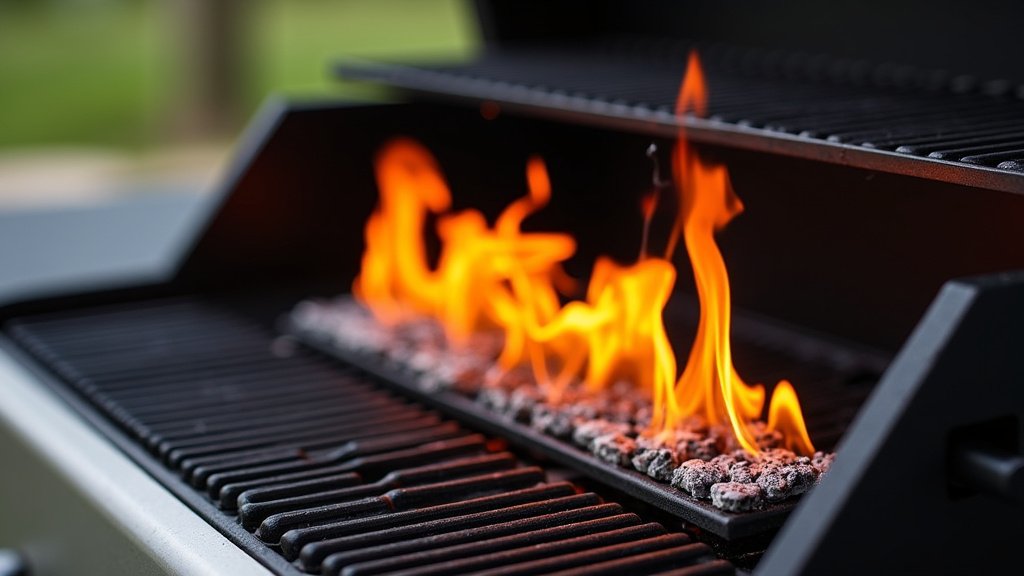
The igniter rod will heat up to start the pellets. It typically glows red for a few minutes. You should see smoke starting to curl from the fire pot as the pellets begin to smolder and then ignite. This process can take anywhere from 5 to 15 minutes, depending on your grill model and the ambient temperature.
Step 5: Wait for Stable Ignition
Once the pellets catch fire, the grill’s internal computer will take over. It will adjust the fan speed and pellet feed rate to maintain a steady temperature. Let the grill run on high for at least 10-15 minutes after you see a consistent flame. This helps ensure the fire is well-established and the grill reaches your desired cooking temperature. Patience here is key; don’t try to change the temperature too soon. Our guide on how to control temperature on a pellet grill can help you maintain a steady flame.
Step 6: Return to Your Cooking Temperature
After the grill has stabilized and the flame is strong, you can adjust it to your desired cooking temperature. Place your grates and heat shield back in position carefully. You’re ready to continue your cook!
When to Consider Your Igniter Faulty
If you’ve followed these steps and your grill still won’t ignite, the problem might be your igniter. Research suggests that igniter rods have a lifespan and can fail over time (National Fire Protection Association). If you don’t see it glow red, or if it only glows dimly, it may need replacement.
Signs of Igniter Trouble
- The igniter rod does not glow red at all.
- The igniter rod glows, but not brightly.
- The igniter rod glows, but pellets do not ignite after a reasonable time (15-20 minutes).
- You hear clicking sounds but no heat from the igniter.
What to Do Next
If you suspect an igniter issue, consult your grill’s manual. Many manufacturers offer troubleshooting guides online. If you’re comfortable, you might be able to replace the igniter yourself. Otherwise, contact the manufacturer’s customer support or a qualified repair technician.
Troubleshooting Table: Common Pellet Grill Issues and Solutions
Here’s a quick reference to help you diagnose problems. Think of this as your grill’s quick-help guide.
| Problem | Possible Cause | Solution |
|---|---|---|
| Grill won’t start | No power, empty hopper, clogged fire pot, faulty igniter | Check power cord, refill hopper, clean fire pot, test igniter |
| Flame goes out | Low pellets, strong wind, ash buildup, blocked air vent | Refill hopper, use wind guard, clean fire pot and vents |
| Temperature too low | Low pellets, blocked vent, wrong pellet type, damp pellets | Refill hopper, clear vents, use quality pellets, ensure dry storage |
| Excessive smoke | Too many pellets, not enough air, wet pellets | Reduce pellet feed, ensure fan is working, use dry pellets |
Preventative Maintenance Tips
An ounce of prevention is worth a pound of cure, as they say. Keeping your grill in good shape will reduce the chances of it going out unexpectedly.
Regular Cleaning Schedule
Make it a habit to clean your pellet grill after every few uses, or at least once a month. Pay special attention to the fire pot and ash removal. A clean grill performs better and lasts longer.
Store Pellets Properly
Keep your pellet supply in a cool, dry place. Moisture can cause pellets to break down and burn inefficiently, or even mold. Airtight containers are your best friend here.
Check for Updates and Recalls
Manufacturers sometimes release firmware updates for grill controllers or issue recalls for parts. Staying informed can help you avoid potential issues.
Quick Relight Checklist
Here’s a handy checklist to run through when you need to relight:
- Is the pellet hopper full?
- Is the fire pot free of ash and debris?
- Are the vents and fan clear?
- Did you initiate the correct startup sequence?
- Are you giving the grill enough time to ignite?
- Is the igniter glowing and functioning?
Conclusion
You’ve learned that a pellet grill going out is usually a minor hiccup. By understanding common causes like empty hoppers or ash buildup, you’re already ahead of the game. Remember to always check your pellet levels and keep that fire pot clean. Following the simple restart sequence will get you back to cooking delicious food quickly. If you encounter persistent issues, don’t hesitate to check your igniter or consult your grill’s manual. Your next great meal is just a relight away – so get back out there and grill!
Frequently Asked Questions
How long should I wait for my pellet grill to ignite after starting the sequence?
You should typically see smoke within 5 to 10 minutes, followed by a visible flame. The igniter rod needs time to heat the pellets. If you don’t see any signs of ignition after 15 minutes, it’s worth checking for issues like a clogged fire pot or a faulty igniter.
Can I use regular firewood pellets in my pellet grill?
No, you should not use heating stove pellets in your pellet grill. Grilling pellets are made from specific hardwoods and are food-safe. Heating pellets can contain additives or glues that are not suitable for cooking and can produce harmful fumes.
What should I do if my grill is still smoking but not igniting?
Persistent smoke without a strong flame often means the pellets are smoldering but not fully combusting. Ensure your fire pot is clear of excess ash. You might also need to increase airflow by checking that the fan is running properly and that no vents are blocked. Sometimes, adding a few more pellets can help them catch better.
How often should I clean my pellet grill’s fire pot?
It’s best to clean your fire pot after every few cooks, or at least once a month, especially before a long cook. A buildup of ash can smother the flame and prevent proper ignition. Regularly removing ash ensures optimal airflow and performance.
Is it safe to relight a pellet grill if it went out during a cook?
Yes, it is generally safe to relight your pellet grill if the fire has gone out. Just follow the proper startup sequence as outlined in your grill’s manual. Ensure you clear any excess ash before attempting to relight to prevent flare-ups or poor ignition.