
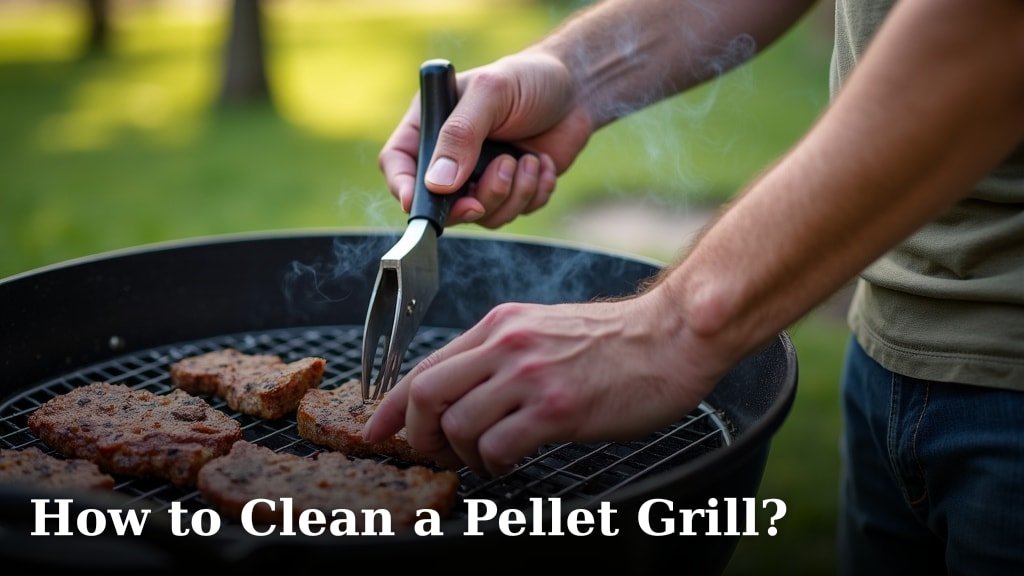
The easiest way to clean a pellet grill involves a few simple steps to keep it running smoothly. You’ll want to regularly empty the ash pot, clean the grates, and inspect for grease buildup. This helps maintain consistent temperatures and a better grilling experience for your food.
You might be wondering how often you should clean your grill or what tools you’ll need. We found that regular maintenance prevents bigger issues down the road. Keeping your pellet grill clean means tastier food and a longer lifespan for your appliance.
- Empty the ash pot frequently.
- Scrape and clean grill grates after each use.
- Inspect for grease and clean the fire pot.
- Perform a deep clean every few months.
- Keep your grill running efficiently and safely.
Let’s walk through exactly how to clean a pellet grill, step by step, so you can enjoy many more delicious meals.
Getting Started: Essential Tools for Cleaning Your Pellet Grill
Before you begin, gathering your tools makes the job much easier. You wouldn’t start a baking project without your measuring cups, right?
Having the right gear on hand means you can tackle grime quickly. It also helps you clean more effectively, protecting your investment.
The Cleaning Toolkit You’ll Need
We found that a few basic items are all it takes. You likely have most of these around your house already.
- A sturdy grill brush (brass or stainless steel, depending on your grates).
- A shop vac or ash vacuum.
- A bucket of warm, soapy water.
- Several clean rags or paper towels.
- A putty knife or scraper.
- Disposable gloves (optional, but recommended for greasy jobs).
Regular Maintenance: Post-Cook Cleaning Steps
Think of this as brushing your teeth after every meal. A quick clean-up after each grilling session prevents big problems later.
This routine saves you time and keeps your food tasting great. It’s also crucial for consistent cooking temperatures.
Scraping the Grill Grates
This is probably the most frequent cleaning task you’ll do. It keeps your food from sticking and reduces flare-ups.
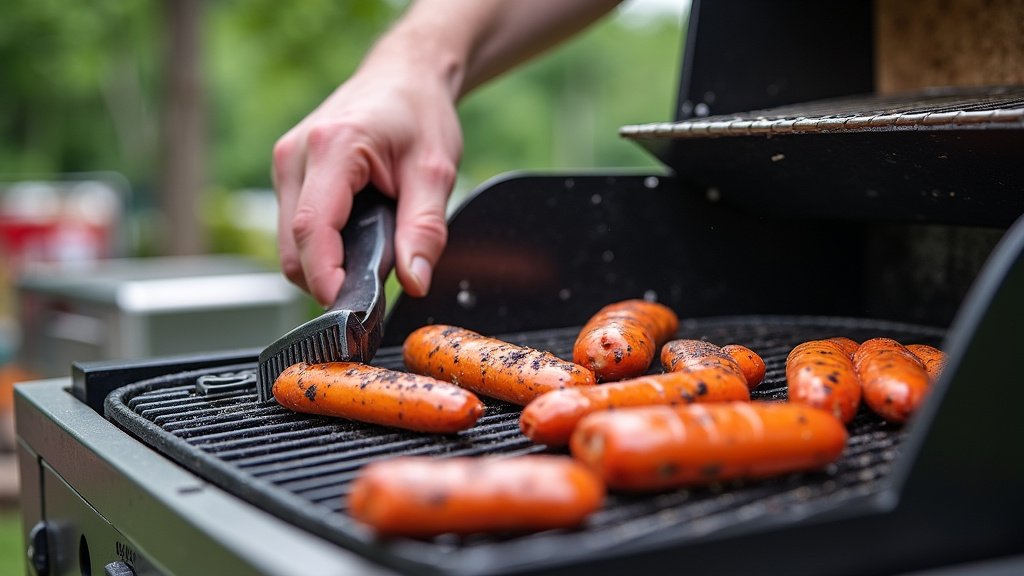
After your grill cools down a bit but is still warm, use your grill brush. Scrape off any food residue or charred bits. We found that a warm grate cleans much easier than a cold one.
Emptying the Ash Pot
Pellet grills produce ash from burning wood pellets. This ash collects in a special pot or tray.
Allow the grill to cool completely before opening the lid and removing the ash pot. Carefully pull it out and dispose of the ash safely. Ash can retain heat for a long time, so don’t put it directly into a plastic trash can. Many experts recommend placing it in a metal container with a lid (National Fire Protection Association).
You should do this every 2-3 cooks, or more often if you grill frequently. Too much ash can block airflow and affect performance.
Deep Cleaning Your Pellet Grill: Quarterly or Bi-Annually
Every few months, your grill needs a more thorough cleaning. This is like giving your car a full detail instead of just a car wash.
A deep clean prevents serious grease buildup and ensures all components work correctly. It also extends the lifespan of your grill.
Removing and Cleaning Internal Components
First, make sure your grill is completely cooled and unplugged. Safety first, always!
Remove the grates, drip pan, and heat baffle. These parts often have baked-on grease and food particles. We found soaking them in warm, soapy water helps immensely.
Use your grill brush or a heavy-duty scrub brush to clean these components. Rinse them well and let them dry completely before putting them back.
Vacuuming the Interior
This is where your shop vac or ash vacuum comes in handy. You’ll be surprised how much ash and debris collects inside the main chamber.
Vacuum out all loose ash and pellets from the fire pot, burn pot, and the bottom of the grill. Pay special attention to the fire pot, as pellet dust can accumulate there. This step is vital for proper pellet ignition.
Cleaning the Fire Pot
The fire pot is where the magic happens – where the pellets ignite. It can get coated with ash and sometimes creosote.
Use a scraper or a stiff brush to remove any hardened residue from the fire pot. Make sure the igniter rod is clear of debris. A clean fire pot means reliable starts every time.
Wiping Down the Interior and Exterior
Use a damp cloth with mild soap to wipe down the inside of the grill. Pay attention to any grease splatters on the lid or walls.
For the exterior, a gentle cleaner and a soft cloth will remove dirt and smudges. Avoid abrasive cleaners that could damage the finish. We found that a clean exterior just makes grilling more enjoyable.
Preventative Measures: Keeping Your Grill Cleaner, Longer
An ounce of prevention is worth a pound of cure, right? A few simple habits can reduce your cleaning time significantly.
These tips help maintain your grill’s efficiency and appearance between deep cleans. They also make your regular cleaning tasks quicker.
Using Grill Liners or Foiled Drip Pans
Many pellet grills have a drip pan to catch grease. Covering this with heavy-duty aluminum foil makes cleanup a breeze.
You can simply remove and replace the foil. This prevents grease from baking onto the pan, saving you scrubbing time. Just be careful not to block any vent holes.
Storing Your Pellets Properly
Pellets are made from compressed sawdust. They absorb moisture easily, which can cause them to break down and create more dust.
Store your pellets in an airtight container in a dry place. This keeps them fresh and reduces the amount of pellet dust that ends up in your hopper and fire pot. Less dust means less to vacuum out.
Cleaning Frequency Checklist
How often should you clean each part? This little guide helps you stay on track.
- After every cook: Scrape grill grates.
- Every 2-3 cooks: Empty ash pot.
- Monthly (or every 5-10 cooks): Clean drip pan and heat baffle.
- Every 3-6 months: Perform a full deep clean, including vacuuming and fire pot scraping.
- As needed: Wipe down exterior.
Troubleshooting Common Pellet Grill Cleaning Issues
Sometimes, despite your best efforts, you might encounter a stubborn problem. Don’t worry, we’ve all been there.
Knowing how to handle these issues can save you frustration. It also helps prevent minor problems from becoming major repairs.
Dealing with Hardened Grease Buildup
If grease has baked onto surfaces, it can be tough to remove. This often happens on drip pans or the inside of the lid.
For stubborn areas, try a degreaser specifically designed for grills. Let it sit for a few minutes to break down the grease before scrubbing. You might need a little extra elbow grease too!
Addressing Mold or Mildew
If your grill has been stored in a damp environment, you might find mold or mildew. This is usually harmless but should be cleaned off before cooking.
Heat is your friend here. First, scrub off visible mold with a stiff brush and soapy water. Then, run your grill at its highest temperature for 30-60 minutes. This will burn off any remaining spores and sanitize the interior. We found this method effective for eliminating any lingering odors too.
Preventing Critter Infestations
Leftover food smells can attract unwanted visitors like rodents or insects. This is more common if you store your grill outdoors.
Always clean up food spills promptly. Empty the ash pot and food residue after each use. Consider a grill cover to help deter pests, especially if you won’t be using it for a while.
We found that keeping your grill consistently clean is the best defense against critters.
Conclusion
Taking care of your pellet grill doesn’t have to be a chore. By following these simple steps, you’ll ensure your grill performs its best every time. Regular cleaning means better-tasting food and a longer life for your favorite outdoor cooking appliance. We found that a little effort goes a long way in maintaining its efficiency and your enjoyment.
So, gather your tools, give your grill some love, and get ready for many more delicious meals. Your taste buds, and your grill, will thank you!
Frequently Asked Questions
Can I use a regular shop vac to clean my pellet grill’s ash?
While a shop vac can pick up ash, we recommend using a dedicated ash vacuum. Regular shop vacs aren’t designed for fine ash and can clog filters quickly or even pose a fire hazard if embers are still hot. An ash vac has a metal canister and specialized filtration for safety.
What’s the best way to clean the exterior of my pellet grill without damaging it?
For the exterior, a mild dish soap solution and a soft cloth work wonders. Avoid abrasive cleaners or harsh chemicals, which can scratch the finish or remove protective coatings. Always wipe in the direction of the grain if your grill has a brushed stainless steel finish.
How can I prevent mold from growing in my pellet hopper?
Mold usually grows when pellets absorb moisture. Always store your unused pellets in an airtight container in a dry environment. After each cook, consider emptying any remaining pellets from the hopper, especially if you live in a humid area or won’t be grilling for a while.
Is it okay to use a power washer on my pellet grill components?
We do not recommend using a power washer on any part of your pellet grill. The high pressure can damage electrical components, seals, and the grill’s finish. Stick to hand scrubbing and rinsing with a garden hose for best results.
My grill has a lingering smoky smell even after cleaning. What can I do?
A lingering smoky smell is usually normal for a pellet grill. However, if it’s unpleasant, ensure you’ve thoroughly cleaned the fire pot and interior. Running the grill at its highest temperature for about 30-60 minutes after a deep clean can help burn off any residual odors and sanitize the chamber.
