How to Choose an Outdoor Pizza Oven Kit
An outdoor pizza oven kit works best when the assembly method, materials and footprint match your space and fuel plans. Compare heat source, cooking surface size, build time and care needs before you choose, because a kit that fits a small patio will not suit a full outdoor kitchen.
On this page (12 sections)
- How does an outdoor pizza oven kit change your cooking space?
- What assembly methods should you compare first?
- Which materials matter most in a pizza oven kit?
- How much space do you need before you build?
- Which fuel type fits your skill and storage?
- How do size and cooking surface affect pizza quality?
- What heat controls should you look for in a kit?
- How does a pizza stone fit with a kit?
- What care does each kit type need?
- What safety checks should you do before first use?
- How should you compare kits in one short list?
- Which outdoor pizza oven kit should you choose?
An outdoor pizza oven kit is a set of parts or a ready unit that gives you a dedicated cooking chamber for pizza outside. You can choose a countertop electric model, a stone for a grill, or a full oven for a patio or outdoor kitchen.
The right choice depends on how you will build it, what it is made from and how much space it needs. Assembly methods change the time and tools you need.
Materials change heat, weight and care. Footprint changes where you can safely cook.
This guide compares those points before you build or buy. It uses three products that show different parts of the setup: a countertop oven, a ceramic pizza stone and a wood cleaner for nearby prep furniture.
How does an outdoor pizza oven kit change your cooking space?
An outdoor pizza oven kit adds a focused heat source for pizza instead of relying on a general grill. That focus helps with crust texture, topping heat and timing for each pie.
You still need a stable surface, fuel access and room to work safely. The kit does not remove those needs.
It only changes how the heat is held and moved around the food.
Think of the kit as one part of a small outdoor station. You need space for the oven, a prep surface, tools and fuel.
You also need a safe path to carry hot pans away from heat.
Our outdoor pizza oven guide explains the main oven types in more detail. Read it if you are still deciding between a portable oven, a grill insert and a built-in model.
Measure your patio or deck before you compare kits. Mark the oven footprint with tape.
Add room for standing, door swing and pan handling. That simple outline prevents most space problems.
Rule: choose the kit that fits your marked footprint with work room left over.
What assembly methods should you compare first?
Assembly methods range from no build to full construction. A ready countertop oven needs only a stable surface and a power outlet.
A grill stone needs correct placement inside a grill. A built kit may need tools, fasteners, sealing and curing time.
Check what is in the box before you plan a build day. Some kits include all hardware and a clear step list.
Others need separate tools, a base, a chimney or a heat deflector. Missing parts can delay your first cook.
Read the instructions for cure or seasoning steps. Some materials need slow first heats before full use.
Others are ready as soon as assembly ends. That difference affects when you can cook, not just how you build.
Ask who will do the work. A simple kit you can set up alone suits most homes.
A heavy built oven may need two people for lifting and alignment. Plan help based on weight and size, not guesswork.
No-build and light-assembly kits
No-build models suit renters, small patios and first-time buyers. Compare portable pizza ovens if you want a ready-to-use option.
You place the unit, check clearances and start cooking.
Light assembly may mean attaching legs, a handle or a stone.
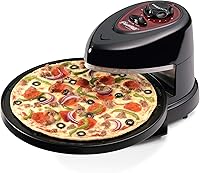
This model shows why power source and size matter as much as assembly. It is 14.5 in deep by 15.8 in wide by 10.3 in high.
It weighs 7.6 lb. That size fits a counter or sturdy table, not a large patio floor.
Rule: pick no-build or light assembly if you want to cook this week with basic tools.
Which materials matter most in a pizza oven kit?
Materials control heat retention, moisture, weight and cleaning. Ceramic holds heat well and gives a steady surface for crust.
Metal heats fast and is lighter for portable use. Stainless steel resists rust and wipes clean in outdoor air.
Stone and ceramic surfaces absorb moisture from dough. That dry surface helps crust turn crisp.
Metal surfaces heat and cool faster, so timing changes from bake to bake. Neither is better for every cook.
Check the material of the cooking surface, the body and the stand. A light body with a heavy stone needs a strong base.
A ceramic body can be durable but needs care during moving. A metal body may need more fuel to hold steady heat.
Kamado Joe says the stone distributes heat and absorbs excess moisture. The maker also says a heat deflector must be used with the stone to avoid burning pizza.
That point matters during setup.
Ceramic, metal and wood parts in the kit
Ceramic stones and chambers give steady heat and a dry cooking surface. They suit buyers who want repeatable crusts.
They also add weight and can crack if dropped or hit with sudden cold water.
Gauges chart:
| Material | Main benefit | Main trade-off |
|---|---|---|
| Ceramic | Holds heat, absorbs moisture | Heavy, needs careful handling |
| Stainless steel | Resists rust, wipes clean | Heats and cools faster |
| Nonstick metal | Easy food release and cleanup | Surface life depends on care |
| Finished wood | Light prep and storage furniture | Needs cleaning made for finished wood |
Rule: match the material to your care time, not just to heat claims.
How much space do you need before you build?
Space needs include footprint, clearance, work room and fuel storage. The oven body is only the first measurement.
You also need room to open doors, load pizza, remove pans and store tools.
Measure the full footprint for the oven and base. Add the maker's clearance gaps on each side.
Then add standing room in front and safe space behind for airflow and fuel access.
Check height as well as width. A chimney, lid or door may need headroom under a cover.
For weather protection, compare outdoor pizza oven covers.
Measure from the surface to any roof, shelf or branch above. Low cover can trap smoke and heat.
Check the route to the spot. Doors, gates and tight turns must fit the oven body or its parts.
A kit that arrives in parts may pass where a full oven cannot. Measure the largest single part, not just the box.
Our best pizza oven for outdoor kitchen guide helps if your kit will live in a built kitchen space. Built counters change clearance and prep options.
Rule: tape out the full footprint plus clearances before you order.
Which fuel type fits your skill and storage?
Fuel type sets heat control, flavor, setup time and storage needs. Gas gives quick ignition and steady control, while electric gives simple controls with no fuel storage.
Wood and charcoal give high heat and smoke flavor but need more skill. Gas and electric suit busy cooks who want repeat pies you can adjust in small steps.
Wood and charcoal suit cooks who enjoy placing fuel, watching airflow and adding fuel during the bake. Storage matters, so gas needs safe cylinder placement and wood or charcoal needs a dry, covered spot.
Electric needs a safe outlet and cord path. A small oven that holds steady heat can cook a 12-inch pie well, while a large oven needs more fuel and time to reach the same heat.
If you already use a grill, read how to use an outdoor grill before you add a stone or insert. Heat zones affect where the stone sits and how pizza browns.
How do size and cooking surface affect pizza quality?
Cooking surface size sets the largest pizza you can cook and how much room you have to turn it. A 12-inch surface fits many standard pies.
A 15-inch stone gives more room for larger pizzas and toppings near the edge.
Small surfaces heat fast and use less fuel. They suit one or two people and small patios.
Large surfaces need more heat, more prep room and more fuel. They suit groups and large pizzas.
Shape also matters. Round stones give even edge distance for round pies.
Rectangular surfaces fit rectangular pans and more toppings. Check the usable area, not just the outside diameter.
Presto says the tray rotates to help even baking. The timer signals the end and turns off the heating elements.
Those controls help with frozen and homemade pizza, but they do not replace checking the crust.
Rule: buy for the pizza size you cook most, with 1 inch of working room around it.
What heat controls should you look for in a kit?
Heat controls shape crust finish, topping cook and repeat results. Separate top and bottom controls let you brown cheese without burning crust.
A timer helps with frozen pizza and reheating. Airflow controls help with wood and charcoal.
Electric models often give the simplest control. You select top, bottom or both elements.
That choice changes which side cooks first. A rising crust may need bottom heat first.
A crisp finish may need both elements, then bottom-only heat.
Gas models give dial control and quick changes. Wood and charcoal need fuel placement and vent settings.
Those methods can reach high heat, but small changes take time to show.
No control system removes the need to watch the pizza. Dough thickness, moisture and topping load change bake time.
Use the controls as a guide, then check color and firmness.
Our best large outdoor pizza oven guide compares larger models if your current size feels too small. Size changes heat time and fuel use, so plan for both.
Rule: choose controls you understand before you choose maximum heat.
How does a pizza stone fit with a kit?
A pizza stone adds a dry, heat-holding surface that can improve crust texture. It works best when it fits the cooking chamber with room for heat to move around it.
Check size first. A stone that touches the walls may heat unevenly and be hard to move.
A stone that is too small leaves cold spots at the edges. Measure the chamber and compare with the stone size.
Check material and care needs. Ceramic stones absorb moisture and hold heat.
They can darken with use, and Kamado Joe says that change is normal. The maker says not to season the stone with olive oil or other cooking oils.
Check compatibility. The Kamado Joe stone in this guide is for a Classic Joe 18-inch charcoal grill.
The maker says a heat deflector must be used with the stone. That warning shows why you must check fit and setup for your exact grill.
A stone does not fix poor heat control. It helps when the oven already holds steady heat.
Place it on a level surface, leave space for airflow and preheat it as directed for your setup.
Rule: add a stone only if it fits your chamber and your heat setup can support it.
What care does each kit type need?
Care needs differ by material, fuel and location. Ceramic needs gentle handling and protection from sudden temperature shocks.
Metal needs cleaning to remove grease and ash. Wood furniture near the oven needs a cleaner made for finished wood.
Clean ash and crumbs after each cook. Ash can block airflow and change heat.
Grease can smoke and stain surfaces. A clean chamber gives more predictable heat next time.
Wash surfaces as directed for each material. Ceramic stones can often be wiped or washed as directed, but check the maker care steps for your model.
Nonstick pans need care that protects the coating. Stainless steel wipes clean but still needs removal of baked-on residue.
Keep the area around the oven clean as well. Prep tables, cabinets and storage boxes collect flour, oil and ash.
Clean those surfaces with a product made for the material.
Murphy says the cleaner is for finished wood surfaces such as wood floors, cabinets, tables and chairs. The maker says it is made with 99% natural ingredients and is dye free.
Those points suit outdoor prep furniture that needs regular wipe-downs.
Rule: choose a kit you can clean in 10 minutes after a normal cook.
What safety checks should you do before first use?
Safety checks start with clearances, fuel storage, cords and a stable base. Read the maker manual for your exact model and keep the oven away from walls, fences, dry plants and overhangs as directed.
Place the oven on a level, heat-safe surface, since a wobbly table can tip a hot oven or stone. Keep fuel in its proper container and away from the cooking chamber, and store gas cylinders upright in a ventilated spot.
Keep children and pets away from hot surfaces and use long tools for loading and removing pizza. Keep a clean path to a safe resting spot and do not leave a hot oven unattended.
For electric models, keep cords away from heat and foot traffic and use an outlet that matches the power needs in the manual. Do not use a damaged cord.
For wood and charcoal, check local rules and wind, since strong wind can push smoke and sparks. Dry leaves and patio furniture need extra distance, and extinguish fuel fully before storage.
If your kit will share space with a fireplace, read our outdoor pizza oven and fireplace guide. Shared heat and smoke change placement and safe distances.
How should you compare kits in one short list?
Compare kits on assembly, material, footprint, fuel, size, controls, care and safety. Write those points in a short list for each option so trade-offs stay clear before price or style pulls you toward one model.
Start with assembly and note build time, tools, parts and cure steps. A kit with missing hardware or unclear steps will cost you time, while a ready unit may cost more up front but save setup time.
Next, note material and surface size, since ceramic, metal and nonstick each change care and crust. Put the usable cooking size beside the outside size to show how much room you really have.
Next, note fuel and controls, since gas, electric, wood and charcoal each suit a different routine. Separate heat controls help with repeat results and a timer helps with frozen pizza and simple bakes.
Next, note space and care, since a compact oven suits a small patio but a large oven needs a full outdoor kitchen. A stone adds weight and care steps, and wood furniture near the oven needs a cleaner made for finished wood.
Our Best Rotisserie Kit guide is a useful side read if you plan to use the same grill for other foods. Shared grill space changes stone placement and heat zones.
Which outdoor pizza oven kit should you choose?
Pick a compact electric or no-build kit if you want simple heat and easy setup. The Presto model in this guide fits that path with a 12-inch size, rotating tray and separate top and bottom elements.
Pick a grill stone if you already own a compatible grill and want better crust. The Kamado Joe stone fits a Classic Joe 18-inch grill and needs a heat deflector.
Check fit before you order.
Pick a larger built kit if you cook for a group and have full outdoor kitchen space. Measure footprint, clearances and prep room first.
Our outdoor pizza oven guide can help you compare that larger path.
Clean finished wood near your station with a product made for that surface. The Murphy cleaner in this guide comes in three 32 fl oz bottles and is made for finished wood.
Use it on tables and cabinets that collect flour and oil.
An outdoor pizza oven kit should fit your space, fuel skill and care time. When those three points line up, pizza night gets easier and more repeatable.
Final rule: choose the kit you can set up, clean and store safely every week.
Frequently asked questions
What should I check before I buy an outdoor pizza oven kit?
Check assembly method, materials, footprint, fuel type, cooking size, heat control and care needs. Measure your patio space and door route first.
Match the kit to how often you will cook and what size pizzas you want to make.
Do I need a pizza stone with an outdoor pizza oven kit?
Many kits include a cooking surface, but a separate stone can help even heat and crust texture. Check the size and material of the included surface before you add another one.
A stone that is too large will not fit your cooking space.
How much space does an outdoor pizza oven kit need?
Space depends on the oven body, door swing, fuel access, prep area and safe clearances. Measure the footprint on the ground and leave room to stand, open doors and handle hot pans.
Add space for fuel storage away from heat.
Which fuel is easier for a first outdoor pizza oven kit?
Gas and electric options often give simpler temperature control for beginners. Wood and charcoal give high heat but need more skill with fuel placement and airflow.
Your fuel choice should match your skill, storage space and local rules.