
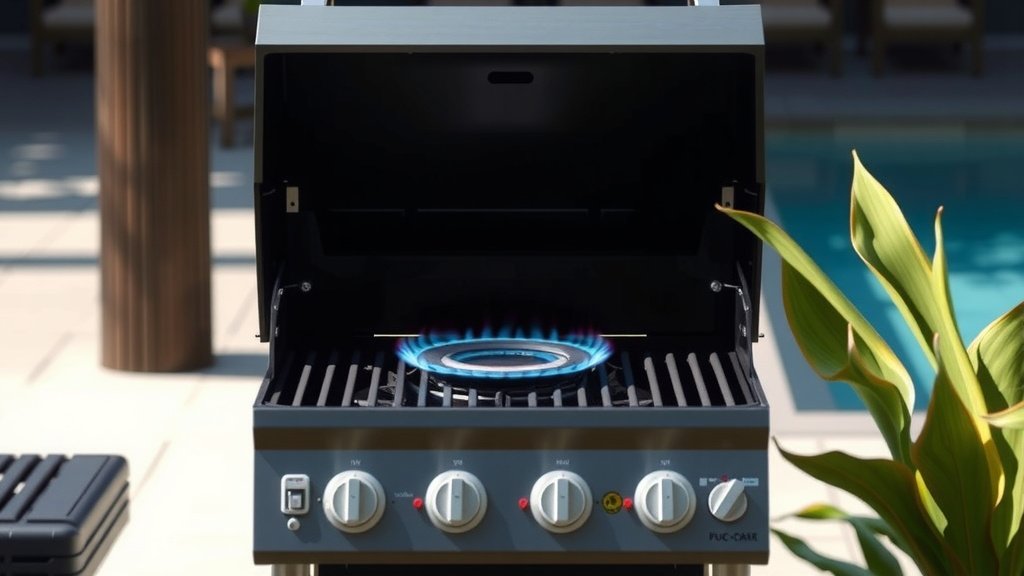
To light a gas grill, first open the lid for safety, then turn one burner knob to a high setting, and finally press the igniter button until the flame catches.
Always ensure your propane tank valve is fully open and check for gas leaks before attempting to light your gas grill, keeping safety as your top priority.
TL;DR: Here’s the quick guide to lighting your gas grill:
- Always open the grill lid before starting.
- Connect and open your propane tank valve.
- Turn on one burner to high.
- Press the igniter button firmly.
- If it doesn’t light, wait a few minutes, then try manual lighting.
How To Light A Gas Grill?
Lighting a gas grill involves a few simple steps. These steps ensure both safety and successful grilling. You will typically open the lid, engage a burner, and then use the igniter.
Safety First: A Quick Check
Before you even think about turning a knob, remember safety always comes first. Grilling should be enjoyable, not a worry. A few checks make all the difference.
Your Gas Tank Connection
Is your propane tank securely connected? We found that a loose connection can lead to gas leaks. Give the hose a gentle wiggle; it should feel firm (National Fire Protection Association – NFPA suggests inspecting connections).
The Right Way to Open the Valve
Once connected, turn the propane tank valve slowly counter-clockwise until it’s fully open. Many experts say this full opening prevents gas flow issues. A partially open valve restricts gas, making lighting difficult.
Igniting Your Grill: Step-by-Step
Now, let’s get to the fun part: bringing that grill to life! It’s simpler than you might imagine. It feels almost like turning on a gas stove in your kitchen.
Opening the Lid is Key
This is a non-negotiable step: always open the grill lid. Why? Gas buildup under a closed lid can cause a sudden flare-up. Keep it open, keep it safe.
Turning on the Burners
Select one burner, usually a main one, and turn its control knob to the “High” position. We found that starting with one burner allows gas to flow to that specific area. It gets ready for ignition.
Using the Igniter Button
With the lid open and one burner on high, press the igniter button. You should hear a clicking sound and see a flame appear quickly.
If it doesn’t light after a few clicks, release the button. Turn off the burner and wait a few minutes before trying again. Sometimes, gas needs a moment to clear.
What If It Doesn’t Light? Troubleshooting Common Issues
Don’t fret if your grill doesn’t roar to life on the first try. It happens! Your grill might just need a little extra attention. Let’s explore common solutions.
Checking Your Gas Supply
Is the propane tank empty? This is a common oversight, as tanks can run out mid-grill. Also, ensure the tank valve is fully open. A quick check often saves a lot of head-scratching.
The Manual Lighting Method
If the igniter isn’t working, you can manually light your grill. This is a common backup method. Always use a long lighter or a matchstick holder.
Never use short matches or lighters. This puts your hand too close to the burner. Manufacturers often include specific instructions for manual lighting (Grill manufacturer manuals).
| Step | Description |
|---|---|
| 1. Prepare | Open the grill lid completely. |
| 2. Gas Flow | Turn one burner to high. |
| 3. Ignite Safely | Use a long grill lighter or match wand, holding the flame near the burner ports. |
| 4. Confirm | Wait for the burner to light, then turn on other burners as desired. |
Why Your Grill Might Not Start
Sometimes, a persistent problem points to something beyond just user error. Knowing these common issues can help you become a grill master troubleshoot. Here’s a quick checklist:
- Empty Propane Tank: Double-check the fuel level.
- Loose Gas Connections: Ensure all hoses are tight.
- Obstructed Burner Ports: Food debris can block gas flow.
- Faulty Igniter: The spark might be weak or absent.
- Pressure Regulator Issues: This part can sometimes fail, restricting gas flow.
- Spider Webs: Believe it or not, spiders can build nests in gas lines, causing blockages.
Proper Grill Warm-Up and Prep
Once your grill is lit, you’re not quite ready to throw on the steaks. A proper warm-up sets the stage for success. This ensures even cooking and helps prevent food from sticking.
Preheating for Best Results
After lighting, close the lid and let the grill preheat. We often find 10-15 minutes at medium-high heat is ideal. This brings the grates to temperature, burning off old residue for a clean surface.
Setting Up for Direct vs. Indirect Heat
Think about what you’re cooking. For searing steaks or burgers, use direct heat over the flames. For larger items, however, indirect heat is better.
You might turn off burners directly under the food, cooking with indirect heat instead. Understanding this difference helps you cook food perfectly (Many grilling guides explain this). Always adapt your heat settings to what you are grilling.
Conclusion
Lighting a gas grill is straightforward when you follow the right steps. Always prioritize safety. Remember to open the lid, ensure good gas flow, and use your igniter or a long lighter responsibly.
With a little practice, you’ll be grilling up delicious meals confidently in no time. Enjoy your outdoor cooking adventures!
What should I do if I smell gas but the grill isn’t lighting?
If you smell gas but your grill isn’t lighting, immediately turn off the gas tank valve and all burner knobs. Keep the lid open and step away from the grill. Let the gas dissipate for at least 15 minutes before trying again.
If the smell persists, do not use the grill. Consider having it inspected by a professional.
How do I know if my propane tank is almost empty?
A simple way to check your propane tank level is to pour warm water down the side of the tank. The area where the tank feels cool indicates the liquid propane level. Many modern grills and tanks also feature built-in gauges for convenience.
Is it safe to leave a propane tank connected to the grill when not in use?
While some people leave tanks connected, it is generally safer to turn off the propane tank valve after every use. This prevents accidental leaks and reduces gas escape risk if a connection is damaged. Manufacturers often recommend this practice for long-term safety.
Can I use lighter fluid to help light my gas grill?
Absolutely not! Never use lighter fluid or any other flammable liquid to light a gas grill. Gas grills ignite with an internal spark or long match. Using lighter fluid causes dangerous flare-ups and severe burns.
How often should I clean my grill grates for optimal performance?
It’s best practice to clean your grill grates after every use, while still warm. Use a grill brush to scrape off food residue. For a deeper clean, especially for blocked ports, a thorough seasonal cleaning helps. This maintains even heat distribution and prevents flare-ups.
