
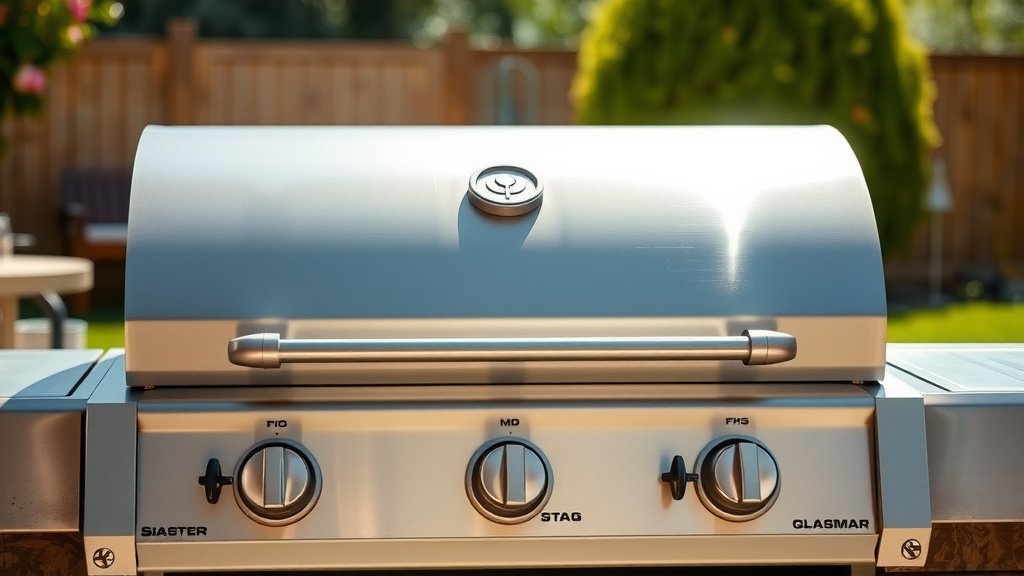
Your gas grill won’t light typically due to a problem with the fuel supply, an issue with the ignition system, or blockages in the burner tubes.
To fix your gas grill light issue, start by checking your propane tank level, ensuring gas lines are clear, and inspecting igniter electrodes for damage or dirt.
Here’s a quick overview of why your grill might not light:
- Your propane tank may be empty or its valve might be closed.
- The gas regulator could be faulty, restricting fuel flow.
- Igniter electrodes often get dirty or misaligned, preventing a spark.
- Burner ports sometimes become clogged with food or rust.
- Gas lines themselves might have kinks or blockages.
Why Won’t My Gas Grill Light?
Nothing stops a backyard barbecue faster than a gas grill that won’t light. Most gas grill ignition problems come from fuel delivery or spark issues. You can often fix these yourself with some simple checks.
Is Your Gas Supply Working?
A gas grill needs fuel to ignite. This might sound obvious, but many people overlook the basics first. Always start your troubleshooting here.
Check Your Propane Tank
First, make sure your propane tank isn’t empty. Give it a shake; a full tank feels heavy. Also, confirm the tank valve is fully open. We often find that a partially closed valve can restrict gas flow, especially for a new tank connection.
The Gas Regulator’s Role
Your grill’s regulator manages gas pressure from the tank to the burners. If this part fails, your grill won’t get enough gas. Many experts say a faulty regulator is a common culprit (NFPA).
Sometimes, a safety feature on the regulator, called the OPD (Overfill Protection Device), trips. This happens if you open the tank valve too fast. Try closing the tank valve completely, waiting a minute, then opening it slowly all the way.
Inspect Gas Hoses and Lines
Look for kinks, tears, or blockages in the gas hose. A damaged hose can prevent gas from reaching your burners. We often find critters, like spiders, building nests inside gas lines, especially in the Venturi tubes.
Troubleshooting the Ignition System
Even with perfect gas flow, your grill won’t light without a spark. The ignition system provides that crucial spark.
Dirty or Damaged Igniter Electrodes
The igniter electrodes create the spark that lights the gas. Over time, grease and food debris can coat them. This buildup stops the spark from happening. Many guidelines point to cleaning these electrodes as a good first step (Weber Grills).
Check the electrodes for any visible damage or corrosion. They should be clean and positioned correctly, usually about 1/8 to 1/4 inch from the burner tube.
Faulty Igniter Wires
The igniter wires connect the ignition button or module to the electrodes. If these wires are loose, frayed, or disconnected, no spark will reach the burners. Check all connections, making sure they are snug.
Ignition Module Issues
Some grills have an electronic ignition module, often powered by a battery. If the battery is dead, or the module itself is faulty, no spark will generate. Try replacing the battery first; it’s an easy fix.
Burner Tube and Orifice Obstructions
Even with gas and a spark, blocked parts can stop ignition. These physical blockages are surprisingly common.
Clogged Burner Ports
The burner tubes have small holes, or ports, where gas exits to ignite. Over time, food particles, grease, or rust can clog these ports. This prevents an even gas flow, making ignition difficult or impossible for some burners.
We found that using a wire brush or a paperclip to clear these ports often solves the issue. Make sure all ports are clear for optimal performance.
Blocked Venturi Tubes or Orifices
Venturi tubes mix air with gas before it reaches the burners. Spiders love to build webs here, blocking gas flow. The orifices, tiny openings where gas first enters the Venturi tubes, can also get clogged with grease.
Cleaning these areas is vital. Many experts suggest using a small brush or a piece of wire to clear any obstructions from inside the Venturi tubes. Always disconnect the gas first.
Quick Fixes Checklist
When your grill just won’t light, run through this fast checklist:
- Is the propane tank valve fully open?
- Do you hear a hiss of gas when you open the valve?
- Are the igniter electrodes clean and dry?
- Are the igniter wires securely attached?
- Are the burner ports free of debris?
Understanding Grill Ignition Problems
Here’s a quick comparison of common reasons your grill might not light and their typical fixes:
| Problem Area | Symptoms | Common Fix |
|---|---|---|
| Gas Supply | No gas smell, very low flame, or no flame | Check tank level, open valve fully, reset regulator |
| Ignition System | No spark sound, weak or intermittent spark | Clean electrodes, check wires, replace battery in module |
| Burner Obstructions | Gas smell but no ignition, uneven flames | Clear burner ports, clean Venturi tubes |
| Regulator Trip | Low or no gas flow despite full tank | Close tank, wait 60 seconds, open slowly |
Safety First!
Always turn off the gas at the propane tank before performing any maintenance or cleaning. If you smell a strong gas odor, turn off the tank and step away. Research often connects gas leaks with serious safety concerns (US CPSC).
Use soapy water to check for leaks in hoses and connections. Bubbles mean gas is escaping. If you find a leak, replace the faulty part immediately.
When to Call a Professional
Sometimes, troubleshooting isn’t enough. If you’ve tried everything and your grill still won’t light, it might be time for expert help. This is especially true for internal gas line issues or major component failures. Don’t take chances with gas safety.
Conclusion
A gas grill that won’t light can be frustrating, but most issues are simple to resolve. By systematically checking your gas supply, ignition system, and burner tubes, you can often get your grill back in action. Remember to prioritize safety always, and don’t hesitate to seek professional help if you’re unsure.
How do I reset my gas grill regulator?
To reset your gas grill regulator, first turn off all burner knobs and then close your propane tank valve completely. Disconnect the regulator from the tank, wait about one minute, then reconnect it. Slowly open the tank valve all the way, and then proceed to open your burner knobs for ignition.
What if my gas grill only lights with a match?
If your gas grill only lights with a match, it usually indicates a problem with the ignition system, not the gas flow. Check your igniter electrodes for dirt or corrosion, ensure they are properly positioned, and inspect the igniter wires for loose connections or damage. The ignition module’s battery might also be dead.
Can a dirty burner cause a gas grill not to light?
Yes, a dirty burner can definitely prevent your gas grill from lighting. Clogged burner ports or blocked Venturi tubes (where spiders often nest) will disrupt the gas flow or the gas-air mixture, stopping the flame from igniting even if you have a spark.
How often should I clean my gas grill igniter?
It’s a good practice to clean your gas grill igniter electrodes at least once or twice a grilling season, or more frequently if you grill often or cook greasy foods. Regular cleaning prevents grease and food debris from building up, ensuring a reliable spark for ignition.
What does it mean if my gas grill has gas but no spark?
If your gas grill has a clear gas flow but no spark, the issue lies directly with the ignition system. This could be due to a dead battery in the ignition module, faulty igniter wires, dirty or damaged electrodes, or a problem with the ignition button itself. Focus your troubleshooting on these electrical components.
