
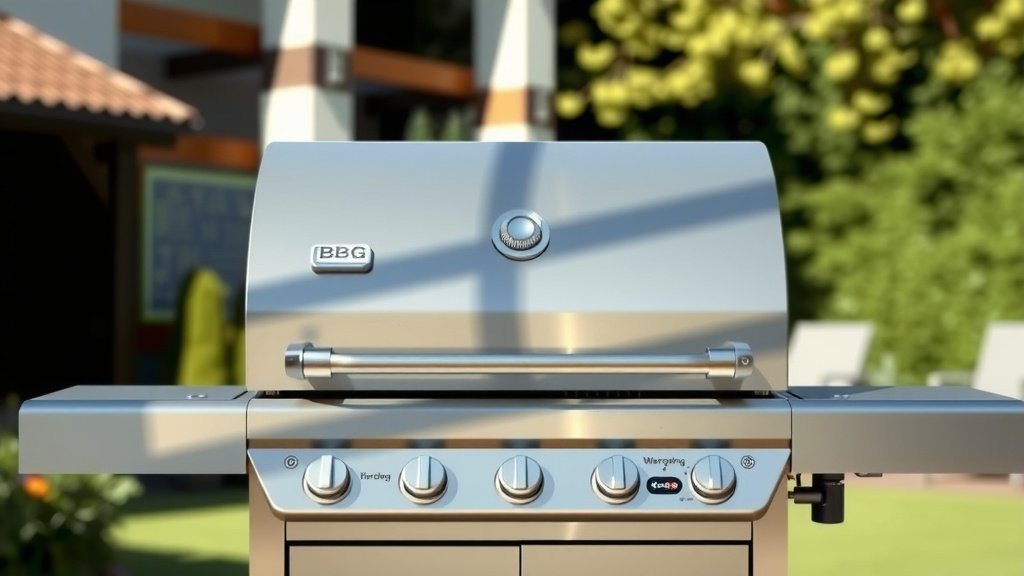
To keep your BBQ grill from rusting, consistently clean and season the grates after each use, then store it properly in a dry place.
Applying a thin layer of cooking oil to the grates creates a vital protective barrier, stopping moisture and rust in its tracks.
- Clean your grill grates after every use to remove food debris.
- Season cast iron grates regularly with cooking oil to create a non-stick, rust-resistant surface.
- Always cover your grill with a high-quality, weather-resistant cover when not in use.
- Store your grill in a dry, sheltered area, especially during off-seasons.
- Inspect your grill for early signs of rust and address them quickly with a wire brush.
How To Keep BBQ Grill From Rusting?
Preventing rust on your BBQ grill involves consistent cleaning, proper seasoning of grates, and smart storage to protect it from moisture. This helps ensure your grill stays ready for delicious meals.
Rust is a grill owner’s worst enemy. It degrades your grill’s performance and can even affect food safety. You want your grill to be a source of joy, not a rusty burden, right?
Why Does Rust Happen to Grills?
Rust is a natural process when iron or steel meets oxygen and moisture. Your grill, often outdoors, is constantly exposed to these elements. Rain, humidity, and even condensation all contribute to rust formation.
Think of rust like a slow, silent invasion. Each exposure chips away at your grill’s integrity. Many experts say moisture is the primary culprit behind grill rust (Consumer Reports).
The Power of Cleaning: Your First Defense
Cleaning your grill isn’t just about hygiene; it’s a powerful rust prevention method. Leftover food particles attract moisture. They also create abrasive spots where rust can begin.
Daily Grate Cleaning
After every cookout, let the grates cool slightly. Then, use a wire brush or a grill scraper to remove all food residue. This simple step makes a world of difference for your grill’s longevity.
Imagine food stuck on your grates. It holds moisture against the metal. Cleaning removes this potential rust hotspot.
Seasoning: A Protective Shield
Seasoning is especially vital for cast iron grates, but it helps other materials too. It involves baking a thin layer of oil onto the metal surface. This creates a natural, non-stick, and rust-resistant coating.
Initial Seasoning Steps
For new cast iron grates, wash them with warm, soapy water and dry them completely. Apply a very thin, even layer of high-smoke point cooking oil, like flaxseed or grapeseed oil. Then, heat the grates on your grill or in an oven until the oil bakes on and polymerizes. Research shows this process makes a durable protective layer (Cook’s Illustrated).
Oil Application: Your Grill’s Raincoat
After each cleaning, while the grates are still warm, apply a thin layer of cooking oil. Use a paper towel or a dedicated oil brush. This thin oil film acts as a barrier, repelling moisture.
It’s like putting a raincoat on your grill grates. The oil prevents water from reaching the metal directly. This is a quick and highly effective rust deterrent.
Investing in a Quality Grill Cover
A good grill cover is a must-have accessory. It shields your grill from rain, snow, dew, and even airborne moisture. A cover acts as the first line of defense against the elements.
Look for covers made from durable, waterproof, and UV-resistant materials. Many brands offer covers tailored to specific grill models. We found that a well-fitting cover offers the best protection against weather.
Smart Storage Solutions
Where you keep your grill matters a lot. Even with a cover, direct exposure to harsh weather takes a toll. Proper storage minimizes your grill’s contact with moisture.
Indoor vs. Outdoor Storage
If you have space, storing your grill in a garage or shed is ideal. This completely removes it from rain, snow, and extreme humidity. For those without indoor space, ensure your outdoor spot is as sheltered as possible. Perhaps under a porch overhang, or against a wall.
Tackling Existing Rust
What if you already see some rust? Don’t panic! Early intervention can save your grill. Use a wire brush or steel wool to scrub away loose rust.
For tougher spots, some people use a paste of baking soda and water. After scrubbing, clean the area thoroughly. Then, apply a fresh layer of cooking oil or re-season the grates. This helps prevent rust from spreading.
Understanding Grill Materials
Different grill materials have varying rust resistance. Knowing your grill’s material helps you tailor your prevention efforts.
| Grill Material | Rust Resistance | Maintenance Tips |
|---|---|---|
| Cast Iron | Low (prone to rust) | Requires frequent seasoning and oiling. Keep dry. |
| Stainless Steel | High (rusts less easily) | Wipe down after use. Can still develop surface rust if neglected. |
| Porcelain-Coated Cast Iron | Medium (coating protects) | Avoid chipping the porcelain. Clean gently. |
| Chrome-Plated Steel | Medium (plating protects) | Wipe dry. Rusts if chrome chips or wears thin. |
A Regular Maintenance Checklist
Consistency is key for rust prevention. A quick checklist helps keep you on track. Make these simple steps part of your grilling routine.
- After Every Use: Clean grates thoroughly.
- After Every Use: Apply a thin layer of cooking oil to grates.
- After Every Use: Put on a quality grill cover.
- Monthly (or seasonally): Clean the entire grill exterior and interior.
- Monthly (or seasonally): Check for any signs of rust and treat them.
- Annually: Deep clean and inspect all components.
Don’t Forget About Internal Components
Rust isn’t just a grate problem. Burners, heat deflectors, and internal components can also rust. Regularly inspect these parts during your deeper cleans. Dust and debris can trap moisture, so keep these areas clear.
We found that a quick visual check helps you catch issues early. A little attention now saves bigger problems later.
Consider a Rust Inhibitor (Carefully)
Some specialized products offer rust inhibition for certain metal parts. Always ensure any product you use is safe for food contact areas. Read labels carefully. Most experts recommend natural oils for grates due to safety concerns with chemicals.
When in doubt, stick to cleaning and oiling for food surfaces. Natural methods are often the safest and most effective.
Conclusion
Keeping your BBQ grill from rusting is simpler than you might think. It really comes down to a few consistent habits. Regular cleaning, proper seasoning, oiling, and smart storage are your best friends.
By following these steps, you’ll protect your investment. Your grill will be ready to deliver delicious meals season after season. Happy grilling, and enjoy that rust-free BBQ!
How often should I season my grill grates?
You should season cast iron grill grates after every thorough cleaning. For new grates, season them before initial use. This creates a protective, non-stick surface and helps prevent rust buildup.
Can stainless steel grills rust?
Yes, stainless steel grills can rust, especially if neglected or exposed to harsh conditions for too long. While more resistant than cast iron, it can still develop surface rust, often called “tea staining,” due to chloride exposure or lack of maintenance.
Is it okay to leave my grill uncovered in the rain?
Leaving your grill uncovered in the rain is not advisable. Rain and moisture are primary causes of rust. Always use a high-quality grill cover to protect your grill from the elements and extend its lifespan.
What kind of oil is best for seasoning grill grates?
High-smoke point oils like grapeseed, flaxseed, vegetable, or canola oil are best for seasoning grill grates. These oils can withstand high temperatures and polymerize effectively, creating a strong, protective layer.
How can I remove light rust from my grill without harsh chemicals?
For light rust, you can use a mixture of baking soda and water to form a paste. Apply the paste, let it sit for a bit, then scrub with a wire brush or steel wool. Rinse thoroughly and re-season with cooking oil.
