
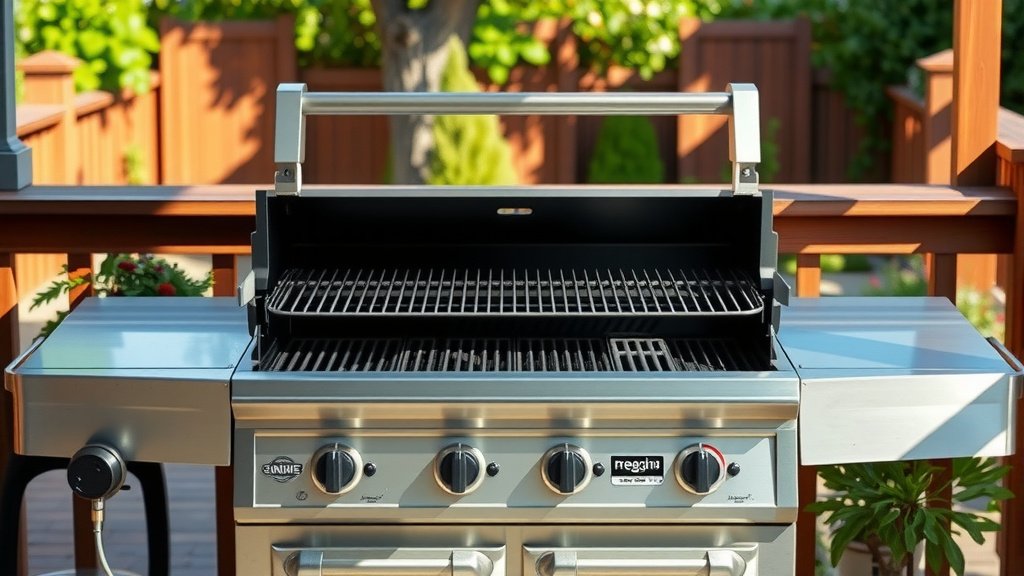
To keep your gas grill from rusting, regularly clean and dry its surfaces, especially the grates, and always protect it with a fitted, weather-resistant cover. Applying a light coat of cooking oil to the grates after cleaning also creates a protective barrier against moisture.
Preventing rust on your gas grill involves a combination of consistent cleaning, proper storage, and timely maintenance to shield its metal components from moisture and oxygen.
Here’s a quick rundown of how to keep your gas grill rust-free:
- Always use a weatherproof grill cover.
- Clean your grill grates after every use.
- Season grates with cooking oil to create a protective barrier.
- Store your grill in a dry, sheltered area when not in use.
- Address any rust spots immediately.
How To Keep Gas Grill From Rusting?
Keeping your gas grill rust-free requires consistent care, mainly focusing on shielding metal parts from moisture and oxygen, which are the main culprits behind rust.
Understanding Rust: Why It Happens
Ever wonder why rust seems to be a grill’s worst enemy? It’s a simple chemical reaction. Rust, or iron oxide, forms when iron or steel comes into contact with both oxygen and water.
What Causes Grill Rust?
Your grill is often outdoors, exposed to rain, dew, and humidity. Oxygen and moisture are rust’s best friends. Food residue left on grates can also attract moisture, speeding up the process. Even salty air near coastal areas can make your grill rust faster.
Your First Line of Defense: Grill Covers
Think of a grill cover as your grill’s raincoat and shield. It’s arguably the easiest, yet most effective, way to protect your investment from the elements. Don’t underestimate its power.
Choosing the Right Cover
Not all covers are created equal. We found that durable, waterproof covers work best. Look for ones made from heavy-duty vinyl or polyester. Ensure it fits snugly, but also allows a little airflow to prevent condensation build-up underneath.
Cleaning is Key to Preventing Rust
A clean grill is a happy grill, and less likely to rust. Burnt food particles and grease can hold moisture against your grill’s metal surfaces, creating prime conditions for rust formation.
Post-Grill Cleaning Routine
After you finish cooking and the grill cools slightly, get to work. Scrape those grates! This simple step removes food bits that would otherwise sit and attract moisture. You want to clear off all residue while the grates are still warm but not scorching.
Deep Cleaning Annually
Many experts recommend a thorough deep clean once a year, or even twice if you grill often (Cleveland Clinic). This involves removing grates, flavorizer bars, and burners to clean the firebox interior. Wash all components with warm, soapy water, rinse well, and dry completely before reassembling.
| Component | Cleaning Frequency | Why It Matters |
|---|---|---|
| Grates | After every use | Prevents food residue from holding moisture. |
| Flavorizer Bars | Every 3-4 uses | Stops grease build-up that can lead to rust. |
| Burners | Seasonally/Annually | Ensures even flame and prevents corrosion. |
| Exterior Surfaces | Monthly | Keeps protective coatings intact and looks great. |
Seasoning Your Grill Grates
Much like a cast-iron skillet, your grill grates benefit from seasoning. This creates a non-stick surface and, more importantly, a protective layer against rust. It’s a simple step that offers great protection.
How to Season Grates
After cleaning and drying your grates, lightly coat them with a high-heat cooking oil, such as vegetable or canola oil. You can use a paper towel for this. Then, heat the grill to a medium temperature for about 15-20 minutes. This bakes the oil onto the metal, creating a thin, protective polymer layer.
Strategic Storage for Longevity
Where you park your grill matters a lot. Leaving it out in the open, even with a cover, isn’t ideal for long periods. Moving it to a sheltered spot offers an extra layer of protection.
Ideal Storage Spots
A garage or shed is perfect for winter months or extended periods of non-use. If you don’t have indoor storage, try to position your grill under an awning or patio roof. Just ensure it’s dry and protected from direct rain and snow.
Tackle Rust Spots Early
Spotting rust? Don’t ignore it. A small rust spot can quickly grow into a bigger problem. Early intervention can save you from replacing expensive parts later.
Rust Removal Steps
For minor rust, use a wire brush or steel wool to scrub it away. Always wear protective gloves and eyewear. Once the rust is gone, clean the area thoroughly, dry it, and consider reapplying a protective oil. For tougher spots, some suggest a paste of baking soda and water (NIH).
Rust Prevention Checklist
- Always use a grill cover.
- Clean grates after each use.
- Apply cooking oil to grates after cleaning.
- Store in a dry, sheltered spot.
- Inspect regularly for early rust signs.
- Keep exterior surfaces clean and dry.
Maintenance Matters: A Quick Recap
Keeping rust away is not a mystery, just good habits. It’s about being proactive and consistent. Think of it like taking care of your car; regular small efforts prevent bigger headaches down the road.
Regular Inspections
Look over your grill often. Catch small issues before they grow (NIH). Check under the hood, around the burners, and the exterior. If you see a bolt loosening or a tiny rust spot forming, address it then and there.
When to Replace Parts
Sometimes, parts just give out. Even with the best care, components exposed to high heat and moisture will eventually wear. Knowing when to replace them is part of smart grill ownership.
What Parts Rust Most?
Grates, flavorizer bars, and burners are common rust targets. If these parts show significant rust that can’t be cleaned away, or if they become brittle, it’s time for a replacement. Rust on these internal parts can affect performance and food safety.
Conclusion
Keeping your gas grill from rusting doesn’t require complex wizardry. It’s all about simple, consistent habits: covering it, cleaning it, seasoning it, and storing it wisely. By following these practical steps, you’ll ensure your grill remains a reliable partner for many seasons of delicious outdoor cooking. A little care goes a long way in preserving your grilling pleasure.
How often should I season my gas grill grates?
You should season your gas grill grates after every significant cleaning, especially after a deep clean or if the previous seasoning layer appears to have worn off. For regular use, a quick re-oiling before each cook can also help maintain the protective layer.
Can I use any type of oil to season my grill grates?
It’s best to use a high-heat cooking oil for seasoning grill grates, such as vegetable oil, canola oil, grapeseed oil, or flaxseed oil. These oils have a high smoke point and create a durable, non-stick, and protective layer when baked onto the metal.
What should I do if my gas grill already has rust?
If your gas grill has rust, start by scrubbing affected areas with a wire brush or steel wool. For stubborn spots, a mixture of baking soda and water can help. Always clean the area thoroughly, dry it, and then apply a light coat of cooking oil to protect the exposed metal. For heavily rusted parts like grates or burners, replacement might be necessary.
Is it okay to store my gas grill uncovered on my patio?
No, storing your gas grill uncovered on your patio exposes it directly to rain, snow, dew, and humidity, which are primary causes of rust. Always use a fitted, waterproof grill cover to shield it from the elements, even if it’s under an awning.
Does cleaning my grill too often cause rust?
Cleaning your grill itself does not cause rust. In fact, regular cleaning prevents food particles and grease from attracting moisture that leads to rust. The key is to always ensure all parts are completely dry after cleaning before covering or storing the grill, as trapped moisture is what promotes rust.
