
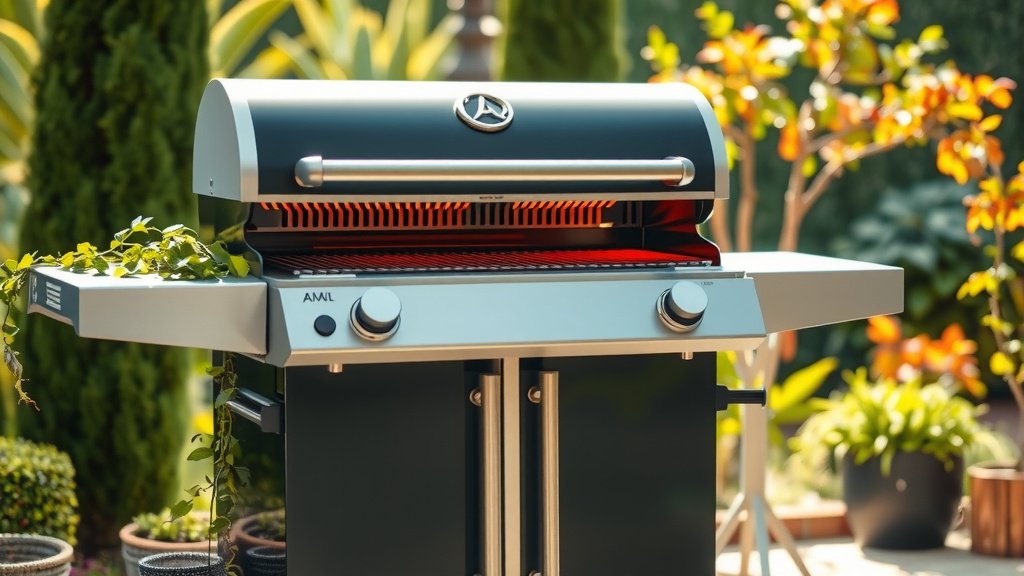
You can infuse a delightful charcoal taste into your food on a gas grill by using wood chips or chunks in a smoker box or foil packet. This method creates smoke that cooks into your food, mimicking the flavor profile you desire.
Positioning these smoke-generating elements correctly and managing your grill’s heat and airflow allows for optimal smoke penetration, giving you that authentic, smoky barbecue experience.
- Use wood chips or chunks for smoke.
- Place wood in a smoker box or foil packet.
- Manage grill temperature for indirect cooking.
- Consider adding a touch of liquid smoke.
- Always clean your grill for best results.
How To Get Charcoal Taste With Gas Grill?
Achieving that classic charcoal flavor on your gas grill is simpler than you might think. The key is to introduce authentic wood smoke directly into your cooking environment.
This approach transforms your gas grill into a surprisingly versatile smoking machine, giving your food that unmistakable depth of flavor.
Why Bother with a Gas Grill for Smoky Flavor?
Many grill masters love the convenience of gas grills. They heat up fast, offer precise temperature control, and make cleanup a breeze.
However, you might miss that smoky char flavor. Combining the ease of gas with the taste of charcoal gives you the best of both worlds, we found.
The Charm of Charcoal Flavor
What exactly is that “charcoal taste”? It’s a complex mix of smoky notes, a slight bitterness from the char, and a savory depth.
This unique flavor profile comes from burning wood and charcoal, releasing compounds that cling to your food. You can replicate this with some clever techniques.
The Secret Weapon: Wood Chips and Chunks
Wood is your primary tool for creating that authentic smoky essence. Choosing the right type of wood can dramatically change your results.
You’ll find that different woods impart distinct flavors, much like spices in a recipe.
Choosing Your Wood Type
Different woods pair well with different foods. For instance, hickory offers a strong, bacon-like flavor, great for beef and pork.
Applewood and cherry wood provide a milder, sweeter smoke, perfect for poultry and fish. Oak is a middle-ground choice, often used for brisket (culinary research suggests).
Preparing Your Wood Chips
Should you soak your wood chips? Some grillers swear by it, saying it produces more smoke and prevents quick burning.
However, we found that soaking only produces steam first, delaying the smoke. For best results, use dry chips for immediate smoke generation.
Smoker Boxes and Foil Packs: Your Best Friends
To safely burn wood chips on a gas grill, you need a container. This prevents direct flame contact and helps create consistent smoke.
These tools are essential for introducing smoke without risking fire or uneven heat.
Using a Smoker Box
A smoker box is a metal container designed to hold wood chips. You place it directly on the grates or under the cooking grates, over a lit burner.
The heat makes the chips smolder, releasing a steady stream of smoke into your grill. Many experts say this is the most efficient method.
DIY Foil Packet Method
Don’t have a smoker box? No problem! You can make a simple foil packet. Wrap a handful of wood chips tightly in heavy-duty aluminum foil.
Poke several holes in the top with a fork. Place this packet directly over a lit burner, and soon you’ll see smoke escaping. This is a cost-effective solution.
Strategic Grill Setup for Smoke Infusion
How you arrange your burners and wood chips matters greatly. Your goal is to create a smoking zone separate from your cooking zone.
This setup ensures your food absorbs smoke without burning or cooking too quickly.
Indirect Heat Is Key
To smoke on a gas grill, you’ll want to use indirect heat. Light one or two burners on one side of your grill to medium-high heat.
Place your smoker box or foil packet over these lit burners. Cook your food on the unlit side of the grill for true low-and-slow smoking.
Managing Airflow and Vents
Gas grills don’t usually have vents like charcoal grills, but managing the lid is similar. Keep the lid mostly closed to trap the smoke around your food.
Opening the lid too often lets all that precious smoke escape. A steady, contained smoke environment maximizes flavor.
Adding Sear and Char to the Mix
The “char” part of charcoal flavor comes from high heat contact. Your gas grill is excellent at this, too.
Achieving a good sear adds another layer of flavor and texture that truly enhances the meal.
Achieving Grill Marks
After your food has had some smoke time, you can move it to the direct heat zone. Preheat one or more burners to high heat.
Sear your food for a few minutes per side to get beautiful grill marks and a crispy exterior. This step is vital for texture.
The Maillard Reaction
This searing process causes the Maillard reaction, which is the browning of food that creates hundreds of new flavor compounds (culinary science shows). This contributes significantly to that rich, cooked taste.
Liquid Smoke: A Shortcut (Use with Caution)
Liquid smoke is an extract of actual smoke, often condensed and bottled. It can provide a smoky flavor, but it’s not a substitute for real wood smoke.
Use it sparingly, as a little goes a long way and too much can taste artificial.
When to Use Liquid Smoke
You might use liquid smoke in marinades or sauces, or brush a very light amount on meat before grilling. It’s best as a complement, not a replacement.
We found that using it with real wood chips creates a more balanced, authentic flavor.
Cleaning Your Grill: A Must-Do
Clean grates are crucial for any grilling, but especially when trying to manage specific flavors. Old residue can impart off-flavors.
A clean grill ensures that only your chosen wood smoke influences the taste of your food. Many experts agree that cleanliness equals better taste.
Common Mistakes to Avoid
Here are some pitfalls to steer clear of when chasing that charcoal taste on your gas grill:
- Using too many wood chips at once, which can produce bitter smoke.
- Opening the lid too frequently, letting smoke escape.
- Not using indirect heat, leading to burnt food and uneven smoke.
- Skipping grill cleaning, which taints your food’s flavor.
- Expecting instant, heavy smoke – good things take a little time.
Your Checklist for Smoky Success
Ready to get grilling? Here’s a quick checklist to make sure you’re set for smoky success:
- Chosen your preferred wood chips or chunks?
- Prepared your smoker box or foil packet?
- Located your grill’s indirect heat zone?
- Have a plan for searing after smoking?
- Is your grill sparkling clean and ready?
- Are you ready to monitor smoke and temperature?
Comparing Methods: Gas vs. Charcoal Flavor
Let’s look at the differences you might experience with flavor outcomes.
| Feature | Gas Grill with Wood Chips | Traditional Charcoal Grill |
|---|---|---|
| Flavor Intensity | Good, noticeable smoke | Strong, deep, authentic smoke |
| Flavor Profile | Clean wood smoke, subtle char | Complex wood/charcoal mix |
| Ease of Control | Very high, consistent temp | Moderate, can fluctuate |
| Heat-Up Time | Fast, minutes | Longer, 20-30 minutes |
| Versatility | Excellent for both gas/smoke | Primarily smoky/grilled |
Conclusion
Transforming your gas grill into a charcoal-flavor powerhouse is definitely within your reach. With a little preparation and the right tools like wood chips and a smoker box, you can bring that beloved smoky depth to your meals.
You’ll enjoy the convenience of gas while savoring the rich, complex flavors that were once exclusive to charcoal. Get out there and start experimenting; your taste buds will thank you!
Can I use charcoal briquettes on my gas grill for flavor?
No, you should not put charcoal briquettes directly on your gas grill grates or inside your grill. This can damage your gas grill components and is a significant fire hazard. Stick to wood chips or chunks specifically designed for smoking.
How long do wood chips typically smoke on a gas grill?
Generally, a handful of dry wood chips in a smoker box or foil packet will produce smoke for about 20-30 minutes. If you need more smoke for longer cooks, you’ll need to refresh the chips periodically.
What’s the best temperature range for smoking on a gas grill?
For most smoking, aim for an internal grill temperature between 225°F and 275°F (107°C to 135°C). This low and slow approach allows the smoke to deeply penetrate your food without overcooking it.
Will adding wood chips make my food taste bitter?
It’s possible if you use too many chips, especially with little airflow, or if the chips are burning rather than smoldering. Use a moderate amount, ensure proper air circulation, and look for thin, blue smoke, not thick white smoke.
Can I reuse wood chips after they’ve smoked on the grill?
No, once wood chips have produced smoke, their flavor compounds are mostly depleted. They will turn to ash or be heavily charred. For your next smoke session, always use fresh, new wood chips or chunks for the best results.
