How Hot Can a Kamado Grill Get?
A kamado barbecue can usually reach about 700°F to 1,000°F, depending on its design, charcoal, airflow, and thermometer position. That maximum is far higher than the steady heat used for most grilling.
On this page (9 sections)
- What is the kamado barbecue highest temperature?
- How does airflow control the heat?
- What temperatures are useful for different cooking jobs?
- How can you measure kamado heat accurately?
- Can a temperature controller make a kamado hotter?
- What does a fan controller add to temperature control?
- Can high heat damage a kamado grill?
- How do you choose the right target temperature?
- What is the practical answer for kamado heat?
A kamado barbecue can usually reach about 700°F to 1,000°F, depending on the grill design, charcoal, airflow, weather, and thermometer position. That is the grill's upper heat capability, not the temperature you should use for every recipe.
Most cooks need a much smaller range. Low-and-slow barbecue may use 225°F to 275°F, roasting often sits around 325°F to 400°F, and many grilling tasks work around 450°F to 650°F.
What is the kamado barbecue highest temperature?
The kamado barbecue highest temperature is often near 700°F to 1,000°F, but the exact ceiling varies between grills. A smaller grill, restricted airflow, damp charcoal, or a poorly placed thermometer can show a lower number.
Ceramic walls hold heat and reduce heat loss, which helps a kamado maintain a steady fire. That insulation also means the cooker may keep rising after you open the vents, so heat control works best when you make small adjustments early.
A dome thermometer measures the air near the lid, not necessarily the cooking grate. Use a grate-level probe when the exact cooking temperature matters, especially for bread, pizza, delicate food, or long barbecue cooks.
How does airflow control the heat?
More airflow usually means a hotter fire. The lower vent supplies oxygen, while the upper vent lets hot air and smoke leave the cooker.
Start with clean, dry charcoal and open the vents enough to establish the fire. As the grill approaches your target, reduce the openings in small steps and wait for the temperature to respond before adjusting again.
Opening the lid can add oxygen and cause a sudden rise. Avoid repeated lid lifting when you are trying to hold a low temperature.
The safest setup begins with correct fuel and airflow. Follow a clear How to Set Up a Kamado Grill? process before chasing a high-temperature sear or a long smoke.
What temperatures are useful for different cooking jobs?
Maximum heat and useful cooking heat are different questions. A kamado may reach far above the range needed for everyday grilling, but steady control matters more than the highest number.
- 225°F to 275°F: low-and-slow smoking and long barbecue cooks.
- 300°F to 400°F: roasting, baking, and indirect cooking.
- 450°F to 650°F: burgers, steaks, vegetables, and many direct grilling tasks.
- 700°F and above: very high-heat searing or specialty cooking, only when the grill and recipe support it.
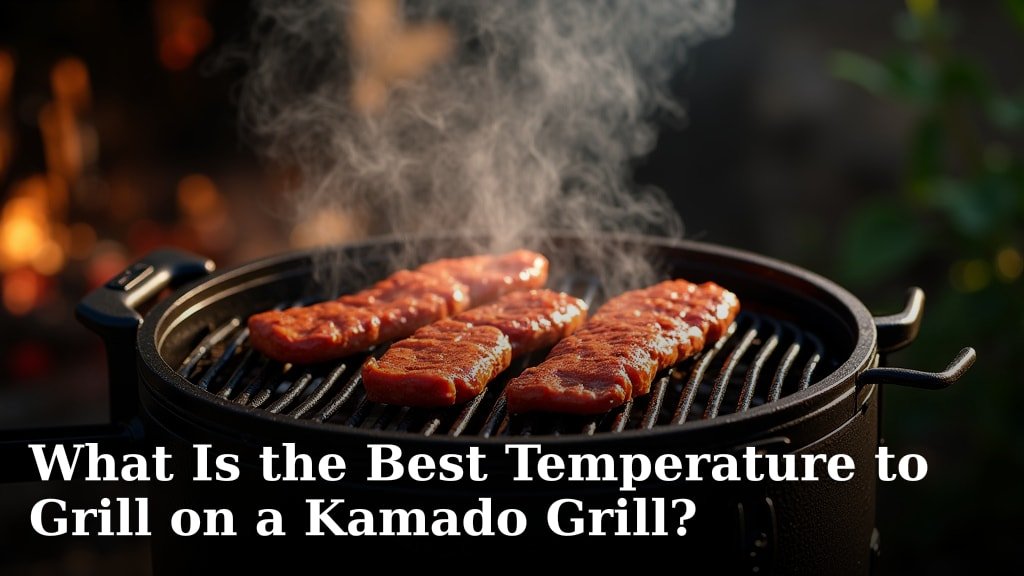
For a broader guide to working temperatures, see What Is the Best Temperature to Grill on a Kamado Grill?. Use the cooking grate temperature as your main reference instead of relying only on the dome gauge.
How can you measure kamado heat accurately?
Use a grate-level probe for cooking decisions and a separate food probe for internal temperature. The dome thermometer can still show the general heat inside the cooker, but it may not match the grate.
Keep the probe away from the ceramic wall, direct flame, and metal hardware. Position it near the food without letting it touch the cooking grate, because contact can distort the reading.
The exact probe range also matters. Some controllers are designed for long monitoring ranges rather than extremely high direct-fire temperatures, so check the intended operating range before placing a probe in a very hot kamado.
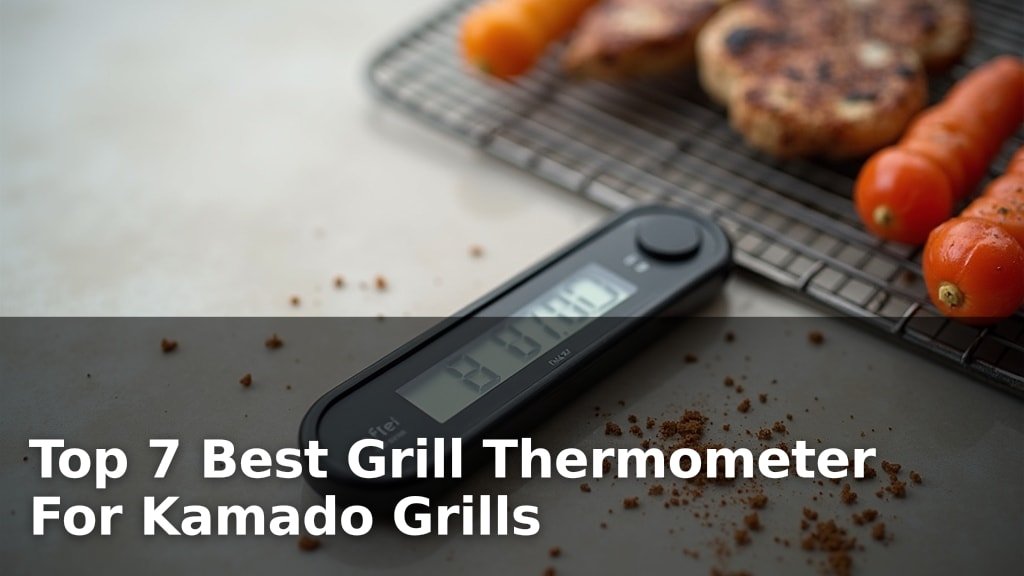
The Best Grill Thermometer For Kamado Grills guide can help you compare grate and food temperature needs.
Which controller helps monitor a kamado fire?
The SMOBOT WiFi Kamado Grill and Smoker Temperature suits cooks who want remote monitoring and automatic damper control on a charcoal or wood kamado setup. It has WiFi, a robotic damper, 2 food probes, and a rugged thermocouple grill thermometer with an alligator clip.
SMOBOT is a compact add-on device with a silver finish, a stainless steel inner material, and a ceramic outer material. Its damper replaces a manual factory daisy wheel on compatible Kamado-style smokers, so it is aimed at controlled cooking rather than simply pushing the grill to its highest possible heat.
Choose it when remote monitoring and automatic damper movement matter during a long cook. It is less relevant if you only need a basic instant-read temperature check for short grilling sessions.
Can a temperature controller make a kamado hotter?
A temperature controller does not replace fuel, airflow, or safe grill limits. It manages airflow toward a target, which can make a long cook easier to hold, but it cannot turn every kamado into a high-heat cooker.
Controllers are most useful when the fire must stay near a set temperature for several hours. They can reduce the need for repeated vent adjustments, but you still need to establish the fire correctly and avoid opening the lid too often.
Who should choose the INKBIRD controller?
The INKBIRD Wi-Fi & Bluetooth BBQ Smoker Temperature Controller Fan ISC-027BW suits readers who want several probes, smartphone monitoring, and automatic fan control. It supports 2.4GHz WiFi and Bluetooth 5.0, with 4 food-grade stainless steel probes.
Each probe has a short-time measurement range of 32°F to 572°F and a continuous monitoring range of 32°F to 482°F. The controller also includes temperature alarms, timers, historical graphs, and a lid detector that stops the fan when the lid is open.
Its 5V USB input works with a USB power source for outdoor use. Choose it when monitoring several food locations matters, or when you want graphs and alerts during a long cook.
What does a fan controller add to temperature control?
A fan controller adds forced airflow when the fire needs help reaching or holding a target. That can be useful for low temperatures, where a small change in airflow may affect the fire for a long time.
A fan is not a reason to leave the lid open or ignore the vents. Excess oxygen can create a fast temperature rise, so begin with a stable fire and use the controller within the kamado's normal operating limits.
Who should choose the BBQube TempMaster Solo?
The BBQube TempMaster Solo suits kamado users who want one-dial operation, a bright OLED digital display, and 3 probes. It includes a grill probe, a long meat probe, a short meat probe, a carrying case, a vent hose, and an adapter for a kamado with a large vent.
The compact unit measures 4 inches in length. Its included parts are organized in a hard carry-all case, which helps keep the controller, probes, hose, and adapter together between cooks.
Choose it when simple dial control and multiple probes are more useful than WiFi features. Check your kamado's vent size before relying on the included large-vent adapter.
Can high heat damage a kamado grill?
High heat can increase stress on ceramic parts and create burn hazards, so follow the grill manual before using extreme temperatures. Do not assume that a high reading is safe just because the fire is still burning.
Raise the temperature gradually and keep the cooker away from flammable materials. Use heat-resistant gloves, keep children away from the grill, and never pour liquid into a hot kamado unless the manual specifically allows it.
Avoid rapid temperature shocks. Opening a very hot grill can expose the fire to more oxygen, while sudden cooling can stress hot ceramic surfaces.
Check the gasket, vents, thermometer, and cooking grate before a high-heat cook. Replace damaged parts before using the grill again.
How do you choose the right target temperature?
Choose the temperature from the food and cooking method first, then adjust the vents to hold it. The highest possible temperature is rarely the best target for a full meal.
Use low heat for long smoking, moderate heat for roasting, and higher direct heat for searing. If you need pizza-style heat, confirm that your grill, accessories, and recipe support that range.
A controller can help when the target must stay steady for hours. The Best Kamado Grill Temperature Controllers guide covers controller features such as probes, fans, dampers, alerts, and remote monitoring.
If you are still choosing the cooker itself, compare the Best Kamado Grill options for size, cooking style, and control needs. Readers who want easier access and handling can also review the Best Kamado Grill For Seniors guide.
What is the practical answer for kamado heat?
A kamado barbecue can reach roughly 700°F to 1,000°F, but the useful target depends on the food, grill design, and cooking method. Measure at the grate, adjust airflow slowly, and treat extreme heat as a specialized setting.
Pick SMOBOT if WiFi monitoring and a robotic damper fit your long cooks. Pick INKBIRD if you want 4 probes, fan control, alerts, and WiFi or Bluetooth monitoring.
Pick BBQube if a one-dial controller, 3 probes, and a large-vent adapter suit your setup.
Frequently asked questions
What is the highest temperature a kamado grill can reach?
A kamado grill can often reach about 700°F to 1,000°F at its highest setting, depending on the grill, charcoal, airflow, weather, and thermometer location. That is a maximum heat range, not a recommended temperature for every cook.
Use the grill's manual and a reliable thermometer before attempting high-heat cooking.
Can a kamado grill reach 1,000°F?
Some kamado grills can approach 1,000°F when filled with suitable charcoal and given strong airflow, but the result varies by model and setup. High heat can stress ceramic parts, raise burn risks, and make the dome thermometer less representative of the cooking surface.
Increase heat gradually and follow the manual.
What temperature is best for low-and-slow cooking on a kamado?
Many low-and-slow cooks use about 225°F to 275°F at the cooking grate, while exact settings depend on the recipe and food. Make small vent changes, allow the temperature to settle, and avoid chasing every small fluctuation.
A controller can help hold a target during a long cook.
Does a kamado get hotter with the vents open?
Yes, opening the vents usually increases airflow and raises the fire temperature, while closing them reduces airflow. Make changes slowly because ceramic kamado grills hold heat well.
Keep the lid closed while the grill comes up to temperature, and use a thermometer at the grate to confirm the cooking heat.