
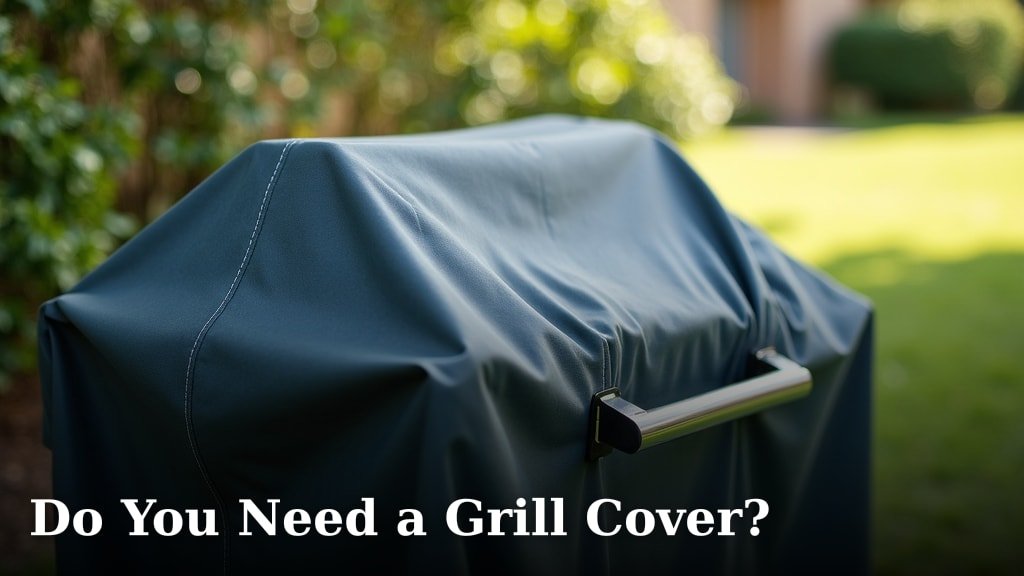
Yes, you absolutely need a grill cover to protect your investment and ensure your grill lasts for years to come. Without one, your grill is exposed to the elements, leading to rust, corrosion, and damage from sun, rain, and snow. A good cover is your grill’s best defense.
Think of it like a raincoat for your grill. It shields it from harsh weather, keeping the components in better condition and reducing the need for frequent, costly repairs. Many experts say a cover is the most important accessory for any grill owner, regardless of where you live.
- A grill cover is essential for protection.
- It guards against rust, weather, and sun damage.
- Covers extend the lifespan of your grill.
- They are a cost-effective way to maintain your grill.
Below, we’ll help you understand exactly why a grill cover is a must-have and what to look for when choosing the right one for your setup.
Why Your Grill Deserves a Protective Cover
Think of your grill as an outdoor appliance. It sits out in the elements, exposed to everything nature throws at it. Without protection, this can lead to a sad, rusted, and ultimately unusable grill. A grill cover acts as a shield against this damage. It’s a simple, effective way to keep your grill looking and working its best for a long time.
Research shows that exposing metal to moisture and UV rays accelerates wear and tear. This is true for cars, patio furniture, and yes, your grill. A cover helps prevent premature aging and keeps your grill ready for your next backyard barbecue.
The Harsh Realities Your Grill Faces Without a Cover
Your grill sits outside, come rain or shine. Let’s break down exactly what it’s up against:
Weather Woes: Rain, Snow, and Ice
Rain is more than just water. It can contain acidic pollutants that etch away at metal surfaces. When rain freezes into ice, it expands, potentially cracking seals and damaging parts. Heavy snowfall can weigh down components and trap moisture. Over time, this constant exposure leads to rust and corrosion, weakening your grill’s structure.
We found that moisture is a grill’s worst enemy. It seeps into every nook and cranny. Even stainless steel can develop rust spots when left unprotected. Keeping your grill dry is key to its longevity.
Sun Damage: The Unseen Enemy
The sun might feel nice, but its ultraviolet (UV) rays are harsh. UV radiation can degrade plastic components, causing them to become brittle and crack. It can fade painted surfaces and even affect the finish on stainless steel. Prolonged sun exposure can make your grill look old and worn, even if it’s still functional.
Experts agree that UV damage is a real concern for outdoor equipment. Think about how a plastic garden chair left in the sun for years looks. Your grill’s parts can suffer a similar fate without protection. The sun’s rays are powerful, even on cloudy days.
Dust, Debris, and Critters
Beyond weather, your grill is a magnet for dust, leaves, and other airborne debris. These can clog burners, obstruct vents, and create a general mess. Worse still, your grill can become a cozy home for small critters like spiders, mice, or insects. Their nests can cause blockages and create fire hazards. A cover keeps your grill clean and pest-free.
Imagine lifting the lid after a long winter to find a spiderweb city or mouse droppings. Not exactly the start you want for your grilling season! A cover is a simple barrier that prevents these unwelcome visitors and their messy habits.
How a Grill Cover Protects Your Investment
A grill cover isn’t just a piece of fabric; it’s a vital accessory that safeguards your purchase. Here’s how it helps:
Preventing Rust and Corrosion
This is perhaps the most critical benefit. By keeping moisture away from metal parts, a cover significantly reduces the risk of rust. Rust weakens the metal, affects cooking performance, and makes your grill look unappealing. A good cover is your first line of defense against these corrosive elements.
We’ve seen many grills succumb to rust far too early. This often happens because the owners didn’t realize how much unprotected exposure could harm the metal. Keeping the interior and exterior dry is paramount.
Extending the Grill’s Lifespan
When you protect your grill from the elements and pests, you inherently make it last longer. Fewer repairs, less frequent deep cleaning, and a more durable structure all contribute to an extended lifespan. You’ll get more years of delicious grilled meals from your investment.
Many manufacturers recommend covering their grills. This advice is based on the observed wear and tear on grills that are left exposed versus those that are kept covered. It’s a simple step with a big impact on how long your grill will serve you.
Maintaining Cooking Performance
Rust on burners or grates can affect heat distribution and lead to uneven cooking. Dirt and debris can clog gas lines or igniters. By keeping these critical components clean and dry, a cover helps ensure your grill performs at its best every time you fire it up. Consistent heat means perfectly cooked food.
Who wants burnt burgers on one side and raw on the other? That often starts with poorly maintained burners. A cover helps keep those essential parts in top shape, ensuring your culinary creations are always a success.
Saving You Money in the Long Run
While buying a cover is an upfront cost, it’s a small price to pay for the protection it offers. It helps you avoid costly repairs, premature replacement, and extensive cleaning. Essentially, a grill cover is a cost-effective maintenance tool that saves you money over the years.
Think about it: a $50 cover can potentially save you hundreds or even thousands of dollars on repairs or a new grill. It’s a smart financial decision for any grill owner. This is why we consider it one of the most essential grill accessories.
What to Look for in a Quality Grill Cover
Not all grill covers are created equal. Here’s what to consider when choosing the right one for your needs:
Material Matters: Durability and Weather Resistance
Look for covers made from heavy-duty, waterproof, or water-resistant materials like polyester or vinyl. These fabrics stand up better to rain, snow, and intense sun. Check the fabric’s denier (D) rating – a higher number usually means a stronger, more durable fabric. Some covers also have a UV-resistant coating to prevent fading and cracking.
Consider the thickness of the material. A thin, flimsy cover might protect from light dust but won’t offer much defense against harsh weather. You want something that feels substantial and can withstand the elements.
Fit and Size: A Snug but Not Too Tight Fit
A cover that fits well is crucial. It should be large enough to fully enclose your grill without being so baggy that it flaps around in the wind or collects water. Measure your grill’s dimensions (width, depth, height) before purchasing. Many covers are designed to fit specific grill models or sizes (e.g., “fits grills up to 58 inches wide”).
A cover that’s too small won’t offer complete protection. One that’s excessively large can become a sail in strong winds, potentially blowing off and leaving your grill exposed. Aim for a cover that hugs your grill snugly, like a tailor-made suit.
Features for Convenience and Extra Protection
Look for additional features that make using and maintaining your cover easier. Vents help reduce condensation buildup inside the cover, preventing mold and mildew. Adjustable straps or buckles secure the cover in windy conditions. Handles make it easier to remove and replace the cover. Zippered storage pockets can be handy for accessories.
Some high-end covers have reinforced seams or double-stitched construction for added durability. Think about how you’ll use your grill and what features would make your life easier. These little details can make a big difference in your daily experience.
Your Grill Cover Checklist
Here’s a quick rundown of what to prioritize:
- Waterproof or Water-Resistant Material: Essential for rain and snow.
- UV Protection: Prevents sun damage and fading.
- Correct Size and Fit: Snug enough to stay on, but not too tight.
- Durable Construction: Look for sturdy fabric and reinforced seams.
- Convenient Features: Vents, straps, and handles add functionality.
- Easy to Clean: Most covers can be wiped down or hosed off.
Investing in a quality grill cover is one of the smartest decisions you can make as a grill owner. It’s a simple, affordable way to protect your equipment and ensure it’s always ready for your next delicious cookout.
Conclusion
You’ve learned that a grill cover is far more than an optional accessory; it’s a vital shield for your outdoor cooking equipment. It combats rust, prevents sun damage, and keeps unwelcome critters out. Protecting your grill with a cover means enjoying perfectly cooked meals for years to come. You’ll avoid costly repairs and replacements. Make the smart choice today: invest in a quality cover that fits your grill well. Your grill, and your wallet, will thank you for it.
Frequently Asked Questions
How often should I replace my grill cover?
You should replace your grill cover when it starts to show signs of wear and tear, such as rips, tears, or faded material. Typically, a good quality cover can last between 3 to 5 years with proper care. Check it regularly for damage that might compromise its protective abilities.
Can I use a tarp as a grill cover?
While a tarp might offer some basic protection, it’s generally not recommended as a long-term solution. Tarps often lack proper ventilation, which can lead to moisture buildup and mold. They also may not be designed to withstand UV rays or extreme temperatures as well as a dedicated grill cover.
