
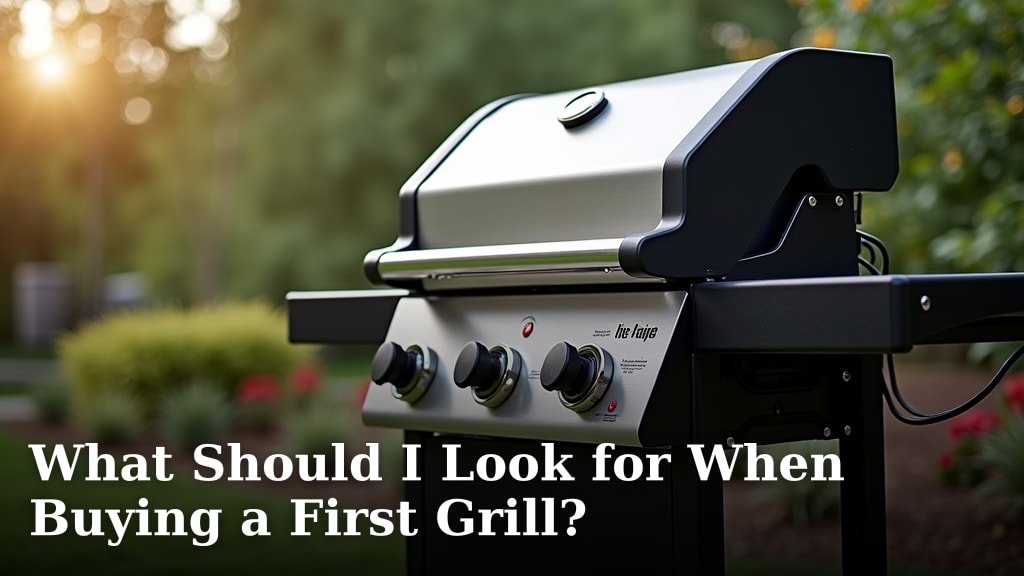
When buying your first grill, look for a model that fits your budget, grilling style, and available space. We found that most first-time grill owners benefit from a simpler, easy-to-use option rather than a complex, feature-heavy one.
There are so many choices out there. Do you want charcoal, gas, or even electric? Consider what you’ll be cooking most often and how much maintenance you’re willing to do. Many first-timers find that gas grills offer convenience while charcoal gives that smoky flavor.
- Consider your budget first.
- Think about available space for the grill.
- Decide between charcoal, gas, or electric.
- Look for ease of use and cleaning.
- Match the grill size to your typical cooking needs.
Let’s walk through exactly what you need to consider to pick the perfect grill for your backyard adventures.
Choosing Your First Grill: Key Considerations
Picking your first grill doesn’t have to be overwhelming. Let’s break down the essential factors so you can make a smart choice for your cooking adventures.
Budgeting for Your Backyard Cookouts
First things first: how much do you want to spend? Grills come in a huge range of prices. You can find basic models for a couple of hundred dollars. High-end grills can cost thousands.
For a first grill, we recommend setting a realistic budget. Remember, you might also need accessories. Think about tongs, a brush, and a cover.
Understanding Price Tiers
Entry-level grills are often simpler. They might have fewer features. These are great for learning the ropes. Mid-range options offer more durability and cooking space. Premium grills are for serious grillers. They have advanced features and often last a very long time.
We found that many first-time buyers are happy in the $150 to $400 range. This gives you good quality without breaking the bank.
Grill Type: Gas, Charcoal, or Electric?
This is probably the biggest decision you’ll make. Each type has its pros and cons. Your lifestyle and cooking preferences will guide you here.
Gas Grills: Convenience and Control
Gas grills are incredibly popular. You turn a knob, press a button, and you’re cooking. They heat up fast. You can also control the temperature easily. This makes them great for busy weeknights.
They typically use propane tanks. You can also get models that hook up to your home’s natural gas line. Propane tanks need refilling. Natural gas is always ready. Gas grills are generally easy to clean, too.
Pros: Fast heat-up, easy temperature control, convenient, cleaner burn.
Cons: Lacks smoky flavor, propane tanks need refilling, often higher initial cost.
Charcoal Grills: The Classic Smoky Flavor
For many, nothing beats the taste of food cooked over charcoal. It gives a unique smoky flavor. This is because of the way the charcoal burns. Charcoal grills take more time to heat up. They also require more effort to manage the temperature.
You’ll need charcoal briquettes or lump charcoal. Lighting them takes a little practice. Cleaning involves emptying ash. Some people find this part messy. But the flavor reward is worth it for many.
Pros: Signature smoky flavor, often more affordable, good for searing.
Cons: Longer heat-up time, temperature control is harder, more cleanup, requires charcoal.
Electric Grills: Simple and Space-Saving
Electric grills are often small. They are perfect for apartments or places with no outdoor space. They plug into an outlet. They don’t produce open flames. This makes them safe for balconies where gas or charcoal grills are not allowed.
They are very easy to use. Just plug it in and turn it on. The cooking results are good, but they won’t give you that smoky char. They are also super easy to clean.
Pros: Very convenient, safe for indoors/balconies, easy to clean, compact.
Cons: No smoky flavor, less powerful, smaller cooking surface.
| Feature | Gas Grill | Charcoal Grill | Electric Grill |
|---|---|---|---|
| Ease of Use | Very Easy | Moderate | Very Easy |
| Flavor | Good, but less smoky | Excellent, smoky | Good, no char/smoke |
| Heat-up Time | Fast (10-15 min) | Slow (20-30 min) | Fast (5-10 min) |
| Cleanup | Easy | Moderate (ash) | Very Easy |
| Cost (Entry) | $150 – $400 | $50 – $200 | $50 – $150 |
Considering Your Grilling Space
Where will your grill live? This is a practical question. The size of your patio, deck, or balcony matters. You need enough room not just for the grill but also to move around it safely. Always keep your grill a safe distance from your house or other flammable materials (National Fire Protection Association guidelines).
Small Spaces and Portability
If you have a small balcony, a compact electric grill or a small portable charcoal grill might be best. Some gas grills come in smaller sizes too. Look for models with foldable side tables. This saves space when not in use.
Do you plan to take your grill camping or to tailgates? Then a portable grill is a must. These are designed to be light and easy to transport.
Larger Patios and Built-in Options
With more space, you have more options. A larger gas grill with multiple burners can be great. You can cook different foods at different temperatures. Charcoal kettle grills are also popular for bigger areas. Just remember the safety clearances for heat and smoke.
Grill Size and Cooking Area
How many people do you usually cook for? This will help determine the right size grill. Grills are often measured by their total square inches of cooking surface.
Matching Grill Size to Your Needs
- Small (1-2 people): Look for around 150-250 sq. inches. Good for a few burgers or steaks.
- Medium (2-4 people): 250-400 sq. inches. Ideal for small families or couples. You can cook a whole meal at once.
- Large (4+ people): 400+ sq. inches. Perfect for entertaining guests or larger families. You can cook a lot of food simultaneously.
Don’t just think about daily use. Consider occasional gatherings. It’s better to have a little extra space than not enough. We often find people regret buying a grill that’s too small.
Ease of Use and Cleaning
You want to enjoy grilling, not dread the setup or cleanup. For a first grill, simplicity is key.
Features That Simplify Grilling
Look for features like electronic igniters on gas grills. This means no matches or lighter fluid. Removable grease trays make cleanup much easier. Cast iron grates are common. They hold heat well. However, they need proper seasoning and cleaning to prevent rust. Porcelain-coated grates are easier to clean and maintain.
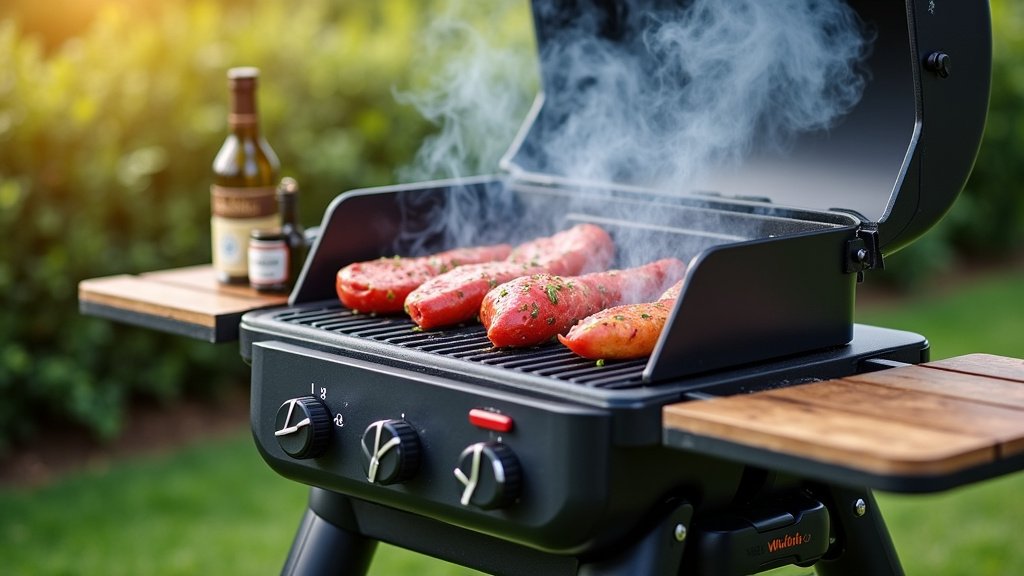
A built-in thermometer is very helpful. It lets you monitor the grill’s temperature. Side tables offer a place to set plates or utensils. We found these small conveniences make a big difference for new grillers.
Maintenance and Longevity
All grills need some maintenance. Gas grills require occasional cleaning of burner tubes. Charcoal grills need ash removal. Electric grills are the easiest. A good grill cover will protect your investment. It guards against rain, sun, and dirt. This helps your grill last longer.
Durability and Build Quality
A grill is an investment. You want it to last more than one season. Look at the materials it’s made from. Stainless steel can be good, but check the grade. Lower grades might rust. Enameled steel is also a good, durable option.
Feel the parts. Are they flimsy? Or do they feel solid? A heavier grill often means better construction. Check the wheels if it’s a mobile unit. Sturdy wheels make moving it much easier. You don’t want your grill falling apart after a few uses.
Checklist for Your First Grill Purchase
Use this quick list to help you narrow down your choices:
- Budget: What’s your comfortable spending limit?
- Fuel Type: Gas, Charcoal, or Electric – which suits your style?
- Space: Does it fit safely and comfortably in your designated area?
- Size: Is the cooking area right for your typical group size?
- Ease of Use: Are the features simple and user-friendly for a beginner?
- Cleaning: How easy will it be to maintain and clean after each use?
Conclusion
Choosing your first grill is about finding the right balance for your lifestyle. We’ve seen that understanding your budget, preferred fuel type, available space, and desired features are key to a successful purchase. Don’t feel pressured to buy the most expensive model. Focus on something that’s easy to use and maintain so you can enjoy the cooking experience.
Once you’ve considered these points, you’ll be well-equipped to pick a grill that brings delicious meals and backyard fun for years to come. Happy grilling!
Frequently Asked Questions
Is a more expensive grill always better for a beginner?
Not necessarily. While pricier grills often offer more features and durability, a beginner might feel overwhelmed. We found that mid-range grills (around $150-$400) offer a great balance of quality and ease of use for first-time owners.
How important is a grill cover?
A grill cover is very important for protecting your investment. It shields your grill from rain, sun, dust, and other elements. This helps prevent rust and keeps your grill looking good and working well for longer.
Can I use a charcoal grill on an apartment balcony?
Many apartment complexes and HOAs have rules against using open-flame grills like charcoal or propane on balconies due to fire hazards. Always check your local regulations and lease agreement before buying a grill for a balcony.
What’s the easiest grill to clean?
Electric grills are generally the easiest to clean. They have fewer parts and no ash or propane tanks to deal with. Gas grills are also relatively easy, especially those with removable grease trays and porcelain-coated grates.
Should I buy accessories with my first grill?
Yes, some basic accessories are highly recommended. You’ll want a good set of tongs, a grill brush for cleaning grates, and a grill cover. A meat thermometer can also be very helpful for ensuring your food is cooked perfectly.
