What To Look For When Buying A Gas Grill?
On this page (9 sections)
When buying a gas grill, look for durable construction materials like stainless steel, sufficient cooking power (BTUs) for your needs, and a generous cooking area. Consider features such as even heat distribution and a reliable ignition system for a consistent grilling experience.
Making a choice about a new gas grill can feel like a big decision. To help you get started quickly, here’s a short rundown of what matters most:
- Understand your cooking needs and available space.
- Prioritize construction quality and burner materials.
- Look for adequate BTUs and even heat distribution.
- Don’t forget features like side burners or warming racks.
- Set a budget and stick to it for the best value.
What To Look For When Buying A Gas Grill?
You want a gas grill that performs well, lasts long, and fits your grilling style. Focus on build quality and cooking power to ensure a satisfying outdoor kitchen experience.
Consider Your Grilling Habits and Space
Before diving into features, think about how often you grill and for how many people. Are you cooking for a small family or hosting large backyard parties? Your answers help determine the grill’s ideal size.
Do you have a big patio, a small balcony, or just a corner in the yard? Measure your space carefully. A grill too large for your area can be a pain to use and store, while one too small might not meet your cooking demands (Consumer Reports).
Cooking Area and Footprint
The cooking area tells you how many burgers or steaks you can cook at once. Smaller grills might offer 300-400 square inches, while larger ones can go up to 600 or more. Don’t forget the grill’s overall footprint, including side shelves.
The Importance of Build Quality and Materials
A grill is an investment, so you want it to last more than a season or two. The materials used make a huge difference in durability and performance. Cheaper materials often mean a shorter lifespan.
Many experts say to prioritize grills made from high-grade stainless steel, especially for the firebox and lid. This material resists rust and corrosion, which is vital for outdoor appliances.
Grill Body and Lid Construction
Look for a grill body that feels sturdy, not flimsy. Double-walled lids offer better insulation, helping to maintain consistent temperatures, especially on windy days. This keeps your food cooking evenly.
What About Grate Materials?
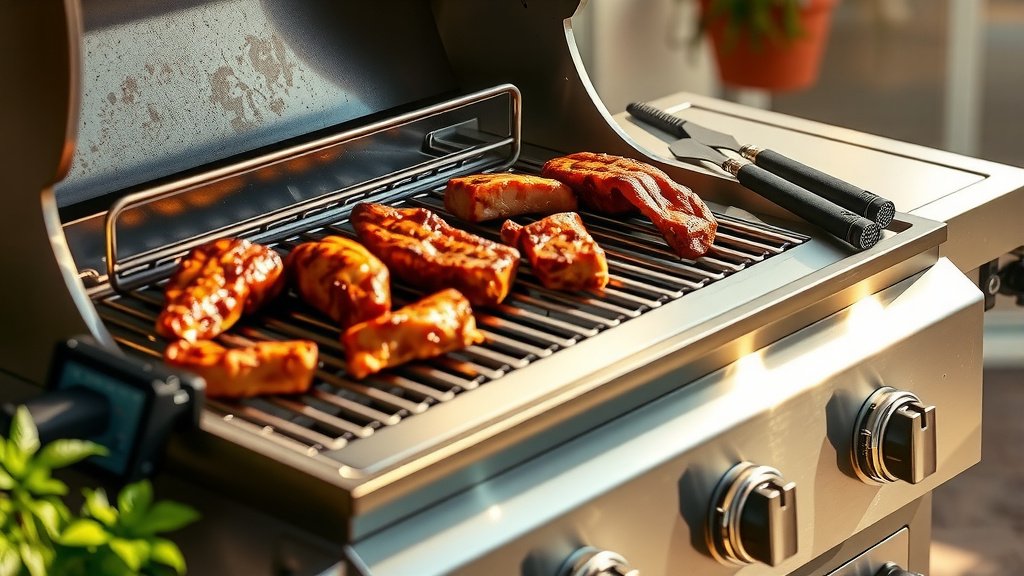
Grates are where your food touches the heat. They’re critical for searing and preventing sticking. You’ll typically find three main types: cast iron, stainless steel, and porcelain-coated options.
- Cast Iron Grates: Excellent for searing, they hold and distribute heat very well. They need seasoning and proper care to prevent rust.
- Stainless Steel Grates: Durable and easier to clean, but they might not retain heat as well as cast iron. Often a good balance of performance and maintenance.
- Porcelain-Coated Grates: Usually over cast iron or steel. They are non-stick and easy to clean, but the coating can chip over time, leading to rust if not cared for.
Understanding BTUs and Heat Output
BTUs, or British Thermal Units, measure a grill’s maximum heat output. Many people assume higher BTUs always mean a better grill. However, it’s not the only factor. A well-designed grill with lower BTUs can still heat efficiently.
What truly matters is how those BTUs are distributed over the cooking surface. You want even heat, without hot spots or cold zones. A grill with good heat distribution will cook your food uniformly, from edge to edge.
Burner Quality and Material
The burners are the heart of your gas grill. Look for burners made from 304-grade stainless steel or cast brass. These materials resist rust and corrosion from heat and cooking byproducts, meaning they last longer.
Some grills feature “U-shaped” or “bar” burners which can provide more consistent heat coverage. Others use individual tube burners. Check for a solid warranty on the burners; this often indicates manufacturer confidence in their quality.
Ignition System Reliability
Nobody wants to fiddle with a lighter when trying to start their grill. A reliable ignition system is key for convenience. Look for electronic ignitions that spark every time you press the button.
Some systems use batteries, while others are piezo-electric. Research shows that separate igniters for each burner tend to be more reliable in the long run (Consumer Reports). If one fails, the others still work.
Essential Features and Convenience Factors
Beyond the basics, some features make grilling more enjoyable. What matters to one person might not matter to another, so prioritize what helps your style of cooking.
Side burners are popular for preparing sauces or heating side dishes. A rotisserie kit can be great for roasting whole chickens or large cuts of meat. Consider whether these add real value for you.
| Feature | Benefit | Consideration |
|---|---|---|
| Side Burner | Cook sides or sauces alongside main dish. | Adds to overall grill size and cost. |
| Warming Rack | Keep food warm without overcooking. | Can reduce main cooking area slightly. |
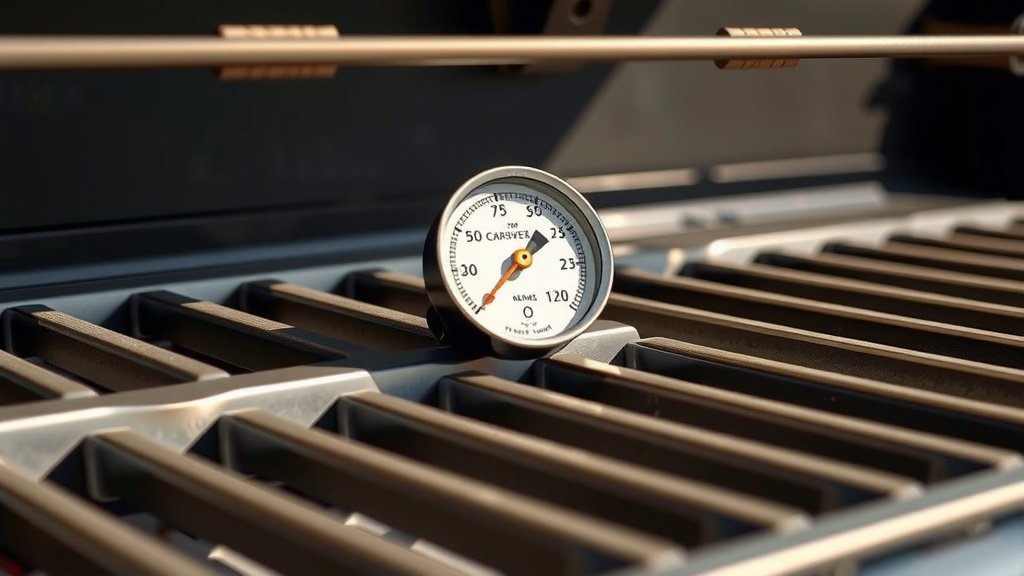
| Temperature Gauge | Monitor internal grill temperature. | Essential for indirect cooking, usually standard. |
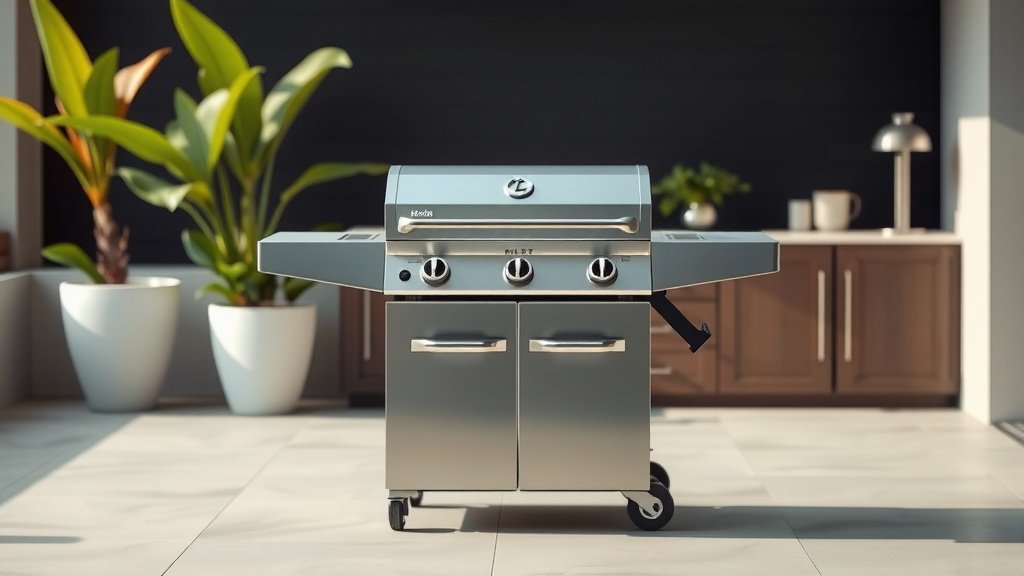
| Storage Cabinet | Hide propane tank, store tools. | Keeps area tidy, offers convenience. |
| Rotisserie Burner | Evenly cook roasts, chickens. | Specialized cooking, uses more fuel. |
Wheels and Portability
Do you need to move your grill often? Look for robust wheels that can handle your patio or deck surface. Larger, sturdy wheels are much better than small, flimsy ones for moving your grill around.
Safety Features
A safe grill is a happy grill. Ensure the grill has a sturdy base and good stability. Automatic shut-off valves or flame-out sensors can add an extra layer of protection, though they are less common on entry-level models.
Setting Your Budget
Gas grills come in a wide range of prices, from a few hundred dollars to several thousand. Determine what you are willing to spend before you start shopping. This helps narrow down your options significantly.
Remember that a higher price often means better materials and more features. However, you can still find a high-quality grill that fits a modest budget if you prioritize wisely.
Warranty Information
Always check the warranty. A good warranty, especially on major components like burners and the firebox, shows a manufacturer stands behind their product. Longer warranties often mean greater peace of mind.
Your Pre-Purchase Checklist
Keep these points in mind as you shop around for your new gas grill:
- How much space do you have for the grill?
- What is your ideal cooking surface area?
- Is the construction sturdy, ideally with stainless steel?
- What type of cooking grates do you prefer?
- Does it offer even heat distribution across the surface?
- Is the ignition system reliable and easy to use?
- What accessories or features are “must-haves” for you?
- Does the grill fit within your set budget?
Conclusion
Choosing the right gas grill means balancing your needs, budget, and desired features. By focusing on quality construction, sufficient cooking power, and reliable components, you can find a grill that brings joy to your outdoor cooking for years. Take your time, do your research, and envision yourself at the helm of your perfect grilling machine. Happy grilling!
What’s the best material for gas grill grates?
Many grill enthusiasts believe cast iron grates are best for searing and heat retention, while stainless steel offers durability and easier cleaning. Porcelain-coated options are non-stick but can chip.
How many BTUs do I really need for a gas grill?
The ideal BTU count depends on the grill’s size and design. Instead of just high BTUs, look for efficient heat distribution. A grill with 20,000 to 30,000 BTUs for a smaller cooking area can be more effective than a larger grill with high BTUs but poor design.
Should I choose a gas grill with a side burner?
A side burner is a handy feature if you often cook sauces, sauté vegetables, or boil water while grilling your main course. It saves you trips back and forth to the kitchen, but it does add to the grill’s overall footprint and cost.
How important is a good warranty for a gas grill?
A solid warranty is very important, especially for key components like the burners, firebox, and lid. A longer warranty often signals that the manufacturer is confident in their product’s durability and quality, giving you peace of mind.
Are expensive gas grills always better?
Not always, but often. Higher-priced grills generally use better quality materials, offer more features, and have superior construction, which can lead to better performance and longevity. However, a mid-range grill can still be excellent if you prioritize key elements like burner quality and overall build rather than just brand name.