
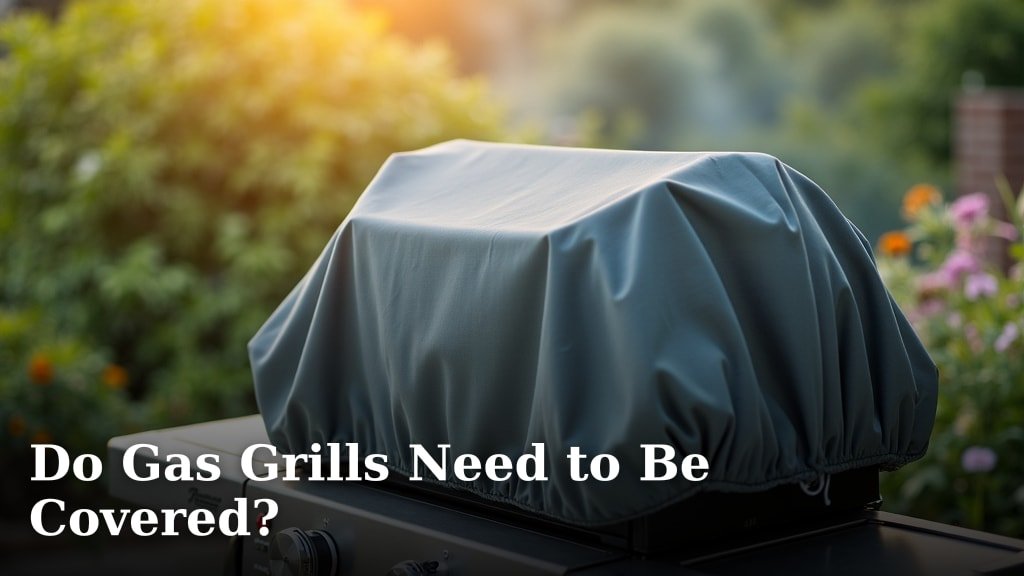
Yes, you absolutely should cover your gas grill when it’s not in use. A grill cover acts as your grill’s raincoat and sunscreen, protecting it from the elements and extending its lifespan. Think of it as a trusty shield against rain, sun damage, and dust.
Keeping your gas grill covered is a simple yet effective way to prevent rust and corrosion. It also helps keep pests out and maintains the grill’s appearance. Many grilling experts agree that a good cover is one of the best investments you can make for your outdoor cooking setup. Protecting your grill means more delicious meals for years to come.
- Covering your gas grill is highly recommended.
- It protects against weather, dust, and pests.
- A cover helps prevent rust and corrosion.
- This investment extends your grill’s lifespan.
- Enjoying your grill for longer is the goal!
Let’s dive into the specifics of why a cover is so important and how to choose the right one for your grill.
Should You Cover Your Gas Grill? The Essential Guide
Keeping your gas grill covered is one of the easiest ways to protect your investment and ensure it performs well for years to come. While it might seem like a small detail, a good grill cover is more than just a piece of fabric; it’s your grill’s first line of defense. Many grilling enthusiasts and manufacturers strongly recommend using a cover to shield your grill from the elements.
We’ve all seen those grills left out in the open, looking a bit worse for wear. Rain, sun, and even just dust can take a toll. A cover prevents this kind of damage. It’s like putting a hat on your head before going out in the sun or grabbing an umbrella when it starts to rain. Simple, right?
Why a Grill Cover is Non-Negotiable
Let’s break down exactly why covering your gas grill is such a smart move. It goes beyond just keeping it looking nice, though that’s a nice bonus!
Protection from the Elements
Your gas grill is built to withstand outdoor conditions, but that doesn’t mean it’s invincible. Rain, snow, and ice can lead to rust and corrosion, especially on metal parts like burners, grates, and the firebox. Think of moisture as a slow-acting enemy to your grill’s metal components.
The sun’s UV rays are another culprit. Prolonged exposure can fade and crack plastic components, like control knobs or handle grips. It can also damage the paint or powder coating on the grill’s exterior, leaving it looking dull and worn. A cover acts as a shield against these damaging UV rays, preserving your grill’s finish.
Keeping Pests at Bay
Have you ever lifted a cover to find a spider web or, worse, evidence of a small critter making a home inside your grill? It’s not uncommon. Spiders, ants, and even larger pests can be attracted to the lingering smells of food or the general shelter a grill provides. This can lead to clogged burners or greasy webs in inconvenient places.
A well-fitting grill cover creates a barrier that deters these unwelcome visitors. It makes your grill less accessible for them to nest or forage. Keeping pests out means less cleanup for you and a more hygienic cooking surface when you’re ready to fire it up.
Preventing Rust and Corrosion
This is a big one. Water is a grill’s enemy, especially when it sits on metal surfaces. When water combines with oxygen, rust forms. This can weaken components over time and affect how your grill functions. You might notice rust spots on the grates, inside the lid, or even on the exterior panels.
Many grill manufacturers use specific coatings to help prevent rust. However, constant exposure to moisture can wear these down. A grill cover keeps your grill dry, significantly reducing the chances of rust and corrosion forming. Research shows that regular exposure to moisture accelerates metal degradation (National Institute of Standards and Technology).
Maintaining Appearance and Value
Let’s be honest, a clean and well-maintained grill looks great on your patio. A cover helps preserve that showroom shine. It keeps dust, pollen, leaves, and other debris from settling on your grill, which can make it look dirty and neglected.
This also helps maintain the grill’s resale value, should you ever decide to upgrade. A grill that has been consistently protected will look and perform better than one that’s been left exposed. It’s a simple step that makes a big difference in keeping your grill looking its best.
What Makes a Good Grill Cover?
Not all grill covers are created equal. When you’re shopping for one, keep a few key features in mind. You want something that will actually do its job effectively.
Material Matters: Durability and Water Resistance
Look for covers made from heavy-duty, water-resistant materials. Polyester and vinyl are common choices. Higher denier (D) fabrics are generally more durable and tear-resistant. Many high-quality covers also feature a water-repellent coating and taped seams to prevent leaks.
Some covers are made with UV-resistant materials to prevent fading and cracking from sun exposure. Check the product descriptions for details on the fabric’s strength and weatherproofing capabilities. We found that a cover rated for “heavy-duty” or “all-weather” often provides the best protection.
Fit is Key: Snug but Not Too Tight
A cover that’s too small will be difficult to put on and take off, and it might not provide full coverage. A cover that’s too large can flap in the wind, potentially tearing or allowing water and debris to get underneath. You want a cover that is designed to fit your specific grill model or is a universal fit for grills of a similar size.
Most manufacturers provide dimensions or model compatibility lists. Always measure your grill before buying a cover to ensure a snug, secure fit. Features like adjustable straps, buckles, or drawstrings can help you get that perfect fit and keep the cover in place, even on windy days.
Ventilation: Preventing Mold and Mildew
This might sound counterintuitive, but good ventilation is important. If a cover is completely airtight, moisture can get trapped underneath. This can lead to mold and mildew growth, especially in humid climates. Many better-quality covers have built-in vents to allow air circulation while still keeping rain and debris out.
These vents often have mesh covers to prevent insects from entering. Proper airflow helps keep the interior of your grill dry and prevents that musty smell that can come from damp conditions.
Choosing the Right Size and Type of Cover
Getting the right size cover is essential for optimal protection. Here’s how to figure out what you need.
Measure Your Grill Accurately
Before you do anything else, grab your tape measure. You’ll need to know your grill’s width, depth, and height. Measure from the furthest points, including side shelves if they can’t be folded down. Don’t forget to account for things like propane tank connections or handles that might stick out.
Knowing these dimensions will help you find a cover that provides complete coverage without being excessively baggy. It’s the most important step in ensuring your cover actually fits!
Types of Covers and What They Offer
Covers generally come in a few basic types, distinguished by their material and features:
- Lightweight Covers: These are often made of thinner fabric and are good for areas with mild weather and little direct sun. They offer basic protection against dust and light moisture.
- Heavy-Duty Covers: Made from thicker, more durable materials, these are designed to withstand harsh weather conditions, including heavy rain, strong winds, and intense sun. They are usually water-resistant and UV-protected.
- All-Weather Covers: These are typically the most robust option, combining water-resistance, UV protection, and durability. They are built to offer maximum protection year-round.
Consider your local climate and how much you use your grill. If you live in a region with harsh winters or intense summer sun, investing in a heavy-duty or all-weather cover is wise. If your weather is generally mild, a lighter option might suffice.
Best Practices for Covering Your Grill
Simply having a cover isn’t enough; you need to use it correctly to get the most benefit.
Ensure Grill is Cool and Dry
Always make sure your grill is completely cool before you put the cover on. Placing a cover over a hot grill can trap heat, potentially damaging the cover material and the grill itself. It can also create condensation inside the grill as it cools, leading to moisture issues.
Similarly, if the grill is wet, try to dry it off as much as possible before covering it. This helps prevent moisture from being trapped underneath the cover, which could lead to rust or mildew.
Secure the Cover Properly
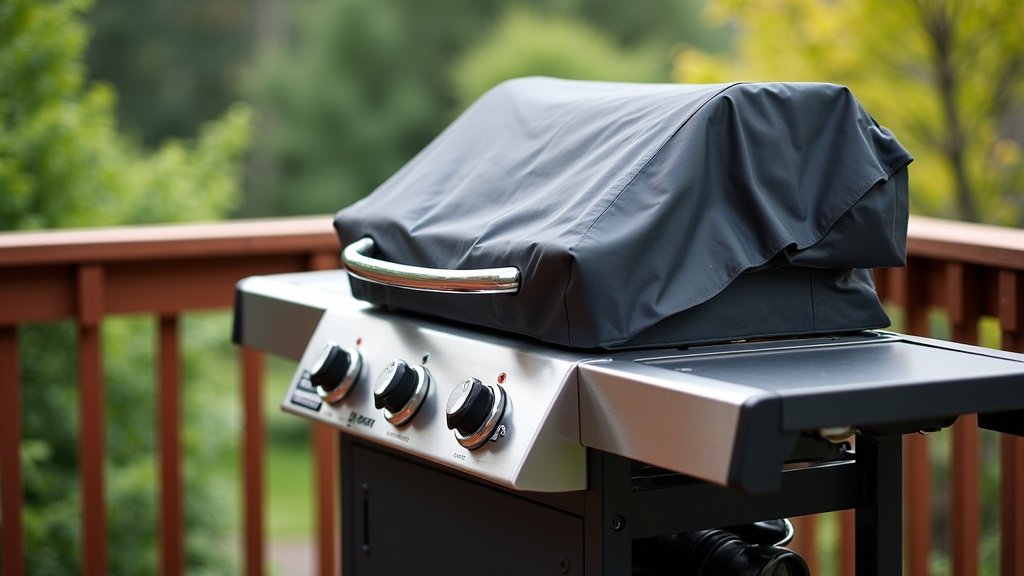
Take a few moments to secure the cover properly each time you put it on. Use any buckles, straps, or drawstrings that come with the cover. This ensures it stays in place during windy conditions and provides a better seal against the elements and pests.
A cover that’s loose and flapping in the wind is not only less effective but can also be damaged or blown off entirely. A secure fit is key to its longevity and protective capabilities.
Regular Cleaning and Inspection
Your grill cover needs care too! Periodically, you should clean the cover itself. Follow the manufacturer’s instructions, but generally, a mild soap and water solution with a soft brush works well. Rinse thoroughly and let it air dry completely before putting it back on the grill.
While you’re cleaning it, inspect the cover for any rips, tears, or worn spots. Early detection of damage allows for repairs, potentially extending the life of the cover and ensuring it continues to protect your grill effectively. If the cover is significantly damaged, it’s time to consider a replacement.
Simple Checklist for Grill Cover Care
Here’s a quick rundown to make sure you’re covering your grill the right way:
- Measure Twice, Buy Once: Ensure your cover fits your grill model perfectly.
- Check the Material: Opt for water-resistant, UV-protected, and durable fabric.
- Secure It Tightly: Always fasten straps or drawstrings to keep it in place.
- Cool Down First: Never cover a hot grill. Let it cool completely.
- Dry It Off: Wipe down the grill if it’s wet before covering.
- Clean Your Cover: Wash it periodically to keep it in good condition.
By following these simple steps, you’re ensuring your gas grill remains in top condition, ready for your next delicious barbecue. It’s a small effort for a big return on keeping your outdoor cooking gear in great shape.
Conclusion
You’ve learned why covering your gas grill isn’t just a suggestion—it’s essential for its longevity and performance. Protecting your grill from rain, sun, and pests with a good cover prevents rust, fading, and unwelcome visitors. This simple act of covering your grill is a smart investment. It ensures you’ll be grilling up delicious meals for many seasons to come. So, your next step? Measure your grill and find the perfect cover to keep it in top shape!
Frequently Asked Questions
How often should I check my gas grill cover?
You should inspect your grill cover periodically, especially after strong winds or heavy rain. Look for any signs of wear and tear, such as rips or fading. Cleaning your cover regularly will also help you spot any potential issues early on.
Can I use a tarp if I don’t have a proper grill cover?
While a tarp might offer some temporary protection, it’s not ideal for long-term use. Tarps often lack proper ventilation, which can trap moisture and lead to rust or mildew. A dedicated grill cover is designed with specific materials and features for optimal protection.
What if my grill is stored in a garage or shed? Do I still need a cover?
Even when stored indoors, covering your grill is a good idea. It protects against dust, dirt, and potential scratches from other stored items. If the garage or shed isn’t perfectly dry, a cover adds an extra layer of protection against moisture.
Will covering my gas grill prevent grease buildup?
A grill cover helps prevent dust, leaves, and other outdoor debris from accumulating on your grill, which can mix with residual grease. However, it doesn’t eliminate the need for regular cleaning of the grill itself to manage grease buildup.
How do I clean a grill cover that’s gotten dirty?
Most grill covers can be cleaned with a mild soap and water solution. Use a soft brush or sponge to gently scrub away dirt. Always rinse thoroughly and allow the cover to air dry completely before putting it back on your grill.
