
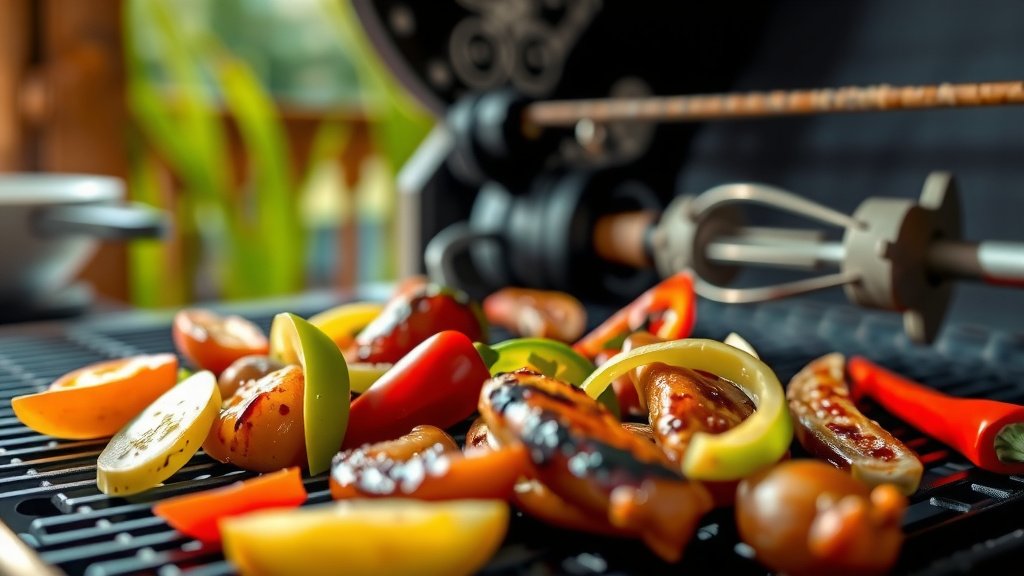
To cook fajitas on a pellet grill, aim for a high temperature range of 375°F to 450°F (190°C to 232°C) for a quick sear and tender finish.
This higher heat helps achieve that beautiful char and sizzling texture characteristic of amazing fajitas, while still getting that lovely smoke kiss from your pellet grill.
- For killer fajitas, preheat your pellet grill to a hot 375°F to 450°F (190°C to 232°C).
- High heat is key for a great sear and that classic sizzle you love.
- Always marinate your meat for at least 30 minutes, or even better, overnight for deep flavor.
- Cook your meat quickly until it reaches a safe internal temperature, usually around 135-140°F (57-60°C) for steak, before resting.
- Don’t forget to toss in those colorful veggies for the last few minutes of cooking to ensure they are crisp-tender.
What Temp To Cook Fajitas On Pellet Grill?
The sweet spot for cooking fajitas on your pellet grill generally sits between 375°F and 450°F. This range gives you the best of both worlds: a fantastic sear and that signature smoky flavor.
Many grill masters agree this temperature ensures your meat cooks quickly, staying tender inside while developing a flavorful crust outside.
Why Pellet Grills are Great for Fajitas
Pellet grills bring a unique advantage to fajitas. They offer precise temperature control, which is super helpful for consistent cooking.
Plus, you get that wonderful wood-fired flavor that traditional grills just can’t replicate. It adds a delicious depth to your meat and vegetables.
The Magic of Smoke Flavor
Imagine your fajitas infused with a subtle, smoky aroma. That’s the magic of a pellet grill.
Different wood pellets, like hickory or mesquite, can really elevate your fajita experience. We found that applewood also works beautifully for a milder smoke.
Choosing Your Fajita Ingredients
Great fajitas start with great ingredients. Picking the right meat and fresh, vibrant vegetables makes all the difference.
Don’t skip the marinade; it’s what makes your fajitas sing with flavor and keeps the meat moist.
Best Cuts of Meat for Fajitas
For beef fajitas, flank steak or skirt steak are classics for a reason. They slice wonderfully against the grain and absorb marinade well.
Chicken thighs or breasts also make amazing fajitas. Research often suggests these cuts are perfect for quick, high-heat cooking (USDA).
Marinade Matters: Flavor Infusion
A good marinade tenderizes your meat and packs it with flavor. Think citrus, garlic, cumin, and a touch of chili powder.
Let your meat soak in that goodness for at least 30 minutes, or even better, let it hang out in the fridge overnight.
Pellet Grill Prep: Getting Started
Before any cooking begins, you need to get your pellet grill ready. Preheating is a must for successful fajitas.
Make sure your grill grates are clean too; nobody wants meat sticking to the grill.
Essential Tools for Fajita Success
Having the right tools makes cooking fajitas much easier and more enjoyable. A good meat thermometer is your best friend.
Here’s a quick look at what you’ll want on hand:
| Tool | Why You Need It |
|---|---|
| Instant-Read Thermometer | Ensures perfect doneness. |
| Tongs | For easy flipping of meat and veggies. |
| Large Bowl | For marinating your ingredients. |
| Sharp Knife | Essential for slicing meat and veggies. |
| Cutting Board | For prep and resting the meat. |
The Ideal Temperature Range for Fajitas
As we mentioned, 375°F to 450°F is your target. This range allows for a fast cook, preventing the meat from drying out.
Many experts say keeping the heat high creates that perfect char while keeping the inside juicy.
High Heat Searing for Flavor
Searing at high heat is what gives fajitas their incredible texture and flavor. It locks in juices and creates a delicious crust.
Don’t be afraid of the sizzle; it’s a sign you’re doing it right!
Lower Temps for Tenderizing
While high heat is key, if you have thicker cuts, you might start slightly lower, around 350°F, then crank it up. This ensures the inside cooks before the outside burns.
But for traditional fajita cuts like skirt or flank, stick to the higher end for speed and sear.
Monitoring Your Fajitas
Keep a close eye on your meat and veggies. Cooking times can vary based on thickness and your grill’s quirks.
An instant-read thermometer is crucial here to check for doneness, especially with meats.
Don’t Forget the Veggies!
Your bell peppers and onions need attention too. Add them to the grill in the last 10-15 minutes of cooking.
You want them crisp-tender, not mushy. A little char on the edges is a good thing!
Resting Your Fajita Meat
This step is often overlooked, but it’s super important. Once your meat is cooked, take it off the grill and let it rest.
Cover it loosely with foil for 5-10 minutes. This allows the juices to redistribute, making your fajitas incredibly tender and moist.
Slicing Like a Pro
After resting, slice your meat against the grain into thin strips. This is critical for tenderness, especially with flank or skirt steak.
Cutting with the grain can make the meat chewy, and nobody wants that!
Troubleshooting Common Fajita Issues
Even pros run into snags sometimes. Here’s a quick checklist to help if things aren’t quite perfect:
- Meat is tough: Did you slice against the grain? Was it overcooked? Try a shorter cooking time and proper slicing.
- Lack of sear: Was your grill hot enough? Ensure you preheat fully to that 375-450°F range.
- Flavor is bland: Did you marinate long enough? Next time, give it more time or boost the marinade ingredients.
- Veggies are mushy: Did you add them too early? They only need a short blast on the hot grill.
- Too dry: Are you cooking to the correct internal temperature? Pull the meat off slightly before your target, as it will continue to cook while resting.
Conclusion
Mastering fajitas on your pellet grill is a rewarding experience. The key is maintaining that hot, consistent temperature between 375°F and 450°F for a great sear and tender finish. Remember to marinate well, monitor your temperatures, and give that meat a good rest. With these tips, you’ll be serving up sizzling, smoky fajitas that everyone will rave about. Enjoy the process and the fantastic flavors!
What kind of wood pellets are best for fajitas?
Many experts suggest using robust flavors like hickory or mesquite for beef fajitas to complement the savory meat. For chicken, a milder wood like apple or pecan can provide a lovely, subtle smoky touch without overpowering the dish.
Can I cook fajitas on a pellet grill if I don’t have a cast iron skillet?
Yes, absolutely! While a cast iron skillet is popular for getting that intense sizzle and char, you can cook fajitas directly on your pellet grill grates. Just ensure your grill is preheated to the recommended high temperature to achieve a good sear.
How long do I marinate fajita meat for the best flavor?
For optimal flavor and tenderness, we found that marinating your fajita meat for at least 30 minutes is good, but letting it sit for 2-4 hours is even better. For a truly deep infusion, an overnight marinade (8-12 hours) in the refrigerator works wonders.
Should I cook the fajita meat and vegetables separately?
Many grill enthusiasts choose to cook the meat first, then remove it to rest while the vegetables cook. This allows you to control the doneness of each component perfectly. You can also cook them together in a large cast iron pan on the grill, adding vegetables after the meat has seared for a few minutes.
How do I know when my fajita meat is done cooking?
The best way to tell if your fajita meat is done is by using an instant-read meat thermometer. For beef fajitas, target an internal temperature of around 135-140°F (57-60°C) for medium-rare to medium, remembering it will continue to cook a bit while resting. Chicken should reach 165°F (74°C) (USDA).
