
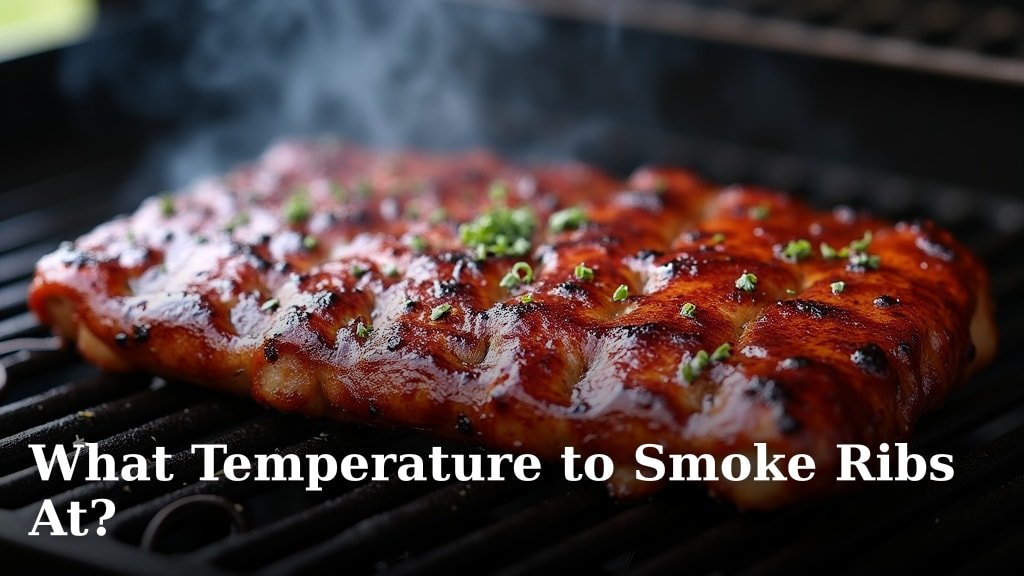
The best temperature to smoke ribs is typically between 225°F and 250°F. This low and slow cooking method helps break down tough connective tissues, making your ribs incredibly tender and juicy. You’re aiming for a sweet spot that delivers smoky flavor without drying them out. Many pitmasters swear by 225°F for maximum tenderness.
While 225°F to 250°F is the golden rule, some folks like to push it a bit higher, up to 275°F, for a faster cook. Just be sure you’re watching them closely. The goal is always perfectly cooked ribs, where the meat pulls away easily from the bone. Your perfect rib temperature might just be a few degrees different from someone else’s, but this range is where most people find success. Getting this right is key to fantastic BBQ. If you’re curious about other smoked meats, our guide to smoking brisket covers similar temperature considerations.
- Smoking ribs low and slow is best.
- Aim for 225°F to 250°F.
- This temperature range breaks down tough bits.
- It makes ribs super tender and juicy.
- Watch your ribs closely, especially at higher temps.
So, if you’re wondering what temperature to smoke your ribs at for that perfect backyard BBQ experience, we’ve got you covered. Let’s get into the details so you can nail it every time.
So, you’re ready to smoke some ribs and make your neighbors jealous? Awesome! The temperature you choose is probably the biggest factor in how your ribs turn out. Get it right, and you’re on your way to tender, fall-off-the-bone perfection. Get it wrong, and you might end up with dry, tough meat. Don’t worry, we’re here to help you navigate the smoky waters.
Finding Your Rib Smoking Sweet Spot
The most popular and widely recommended temperature range for smoking ribs is between 225°F and 250°F. This low and slow method is key for tenderness.
Many pitmasters agree that 225°F is the magic number for achieving maximum tenderness. This temperature allows connective tissues to slowly break down. This process turns tough cuts into juicy, melt-in-your-mouth goodness. It also gives the smoke plenty of time to infuse the meat with flavor.
Why Low and Slow Wins the Rib Race
Think of it like this: tough cuts of meat have a lot of collagen. This is the stuff that makes ribs chewy. When you cook them at a low temperature for a long time, that collagen melts. It becomes gelatin. This gelatin lubricates the meat fibers. That’s what gives you that super tender, moist texture you’re looking for.
Cooking too hot, too fast, doesn’t give the collagen enough time to break down properly. Instead, it can just make the meat tough and dry. It’s like trying to boil water for tea in 30 seconds – it just doesn’t work. You need patience for great BBQ.
The 225°F to 250°F Rule: What the Experts Say
We’ve looked at a lot of barbecue wisdom, and this temperature range keeps popping up. It’s consistently mentioned in guides from culinary schools and seasoned pitmasters alike. For example, many cooking resources suggest this range for pork shoulders and ribs. They often cite improved moisture retention and tenderness (Kansas City Barbeque Society).
Why the slight variance between 225°F and 250°F? It often comes down to personal preference and the specific smoker you’re using. Some smokers hold temperature more consistently than others. You might find that your smoker runs a little hotter or cooler. Adjusting a few degrees can make all the difference.
Exploring Temperatures Beyond the Golden Rule
While 225°F to 250°F is our go-to, some people like to push the envelope. What happens if you turn up the heat?
Can You Smoke Ribs at 275°F?
Yes, you can! Smoking ribs at around 275°F is definitely possible. Many people do it when they’re short on time. This higher temperature will speed up the cooking process. You’ll get your ribs done faster.
However, this requires more attention. When you crank up the heat, you increase the risk of drying out the meat. You need to be more vigilant about checking your ribs. Using a water pan in your smoker can help maintain moisture. Also, consider wrapping your ribs in butcher paper or foil sooner. This traps in moisture.
The Trade-offs of a Hotter Cook
The main trade-off is a potential loss of tenderness and moisture. While you save time, you might sacrifice some of that melt-in-your-mouth quality. Think of it as a trade-off between speed and ultimate perfection. Some folks find 275°F works great for them, especially if they are experienced and know their smoker well.
When Might 275°F Be a Good Choice?
If you have unexpected guests arriving sooner than planned, a hotter cook can save the day. It’s also good if you just want ribs tonight and don’t have all day. Just remember to keep a close eye on the internal temperature. Aim for around 195°F to 205°F for tender ribs.
What About Temperatures Above 300°F?
Smoking ribs much above 300°F is generally not recommended for true low-and-slow BBQ. At these temperatures, you’re essentially roasting or grilling, not smoking. The meat will cook very quickly. But, it will likely be tough and dry. You won’t get that authentic smoky flavor penetration either.
The quick cooking time doesn’t allow the connective tissues to break down properly. You’ll miss out on the tender texture that low-and-slow smoking provides. This is the difference between BBQ ribs and baked ribs.
Monitoring Your Ribs: Temperature is Key
Regardless of the temperature you choose, you need to monitor your ribs. An accurate meat thermometer is your best friend here. You’re not just looking at the ambient temperature of your smoker. You need to know the internal temperature of the meat.
For perfectly smoked ribs, the internal temperature should generally be between 195°F and 205°F. This is when the meat is tender enough to pull away from the bone easily. Use a leave-in probe thermometer for continuous monitoring. This allows you to see the temperature rise without opening the smoker door too often.
The Wrap Test: A Sign of Tenderness
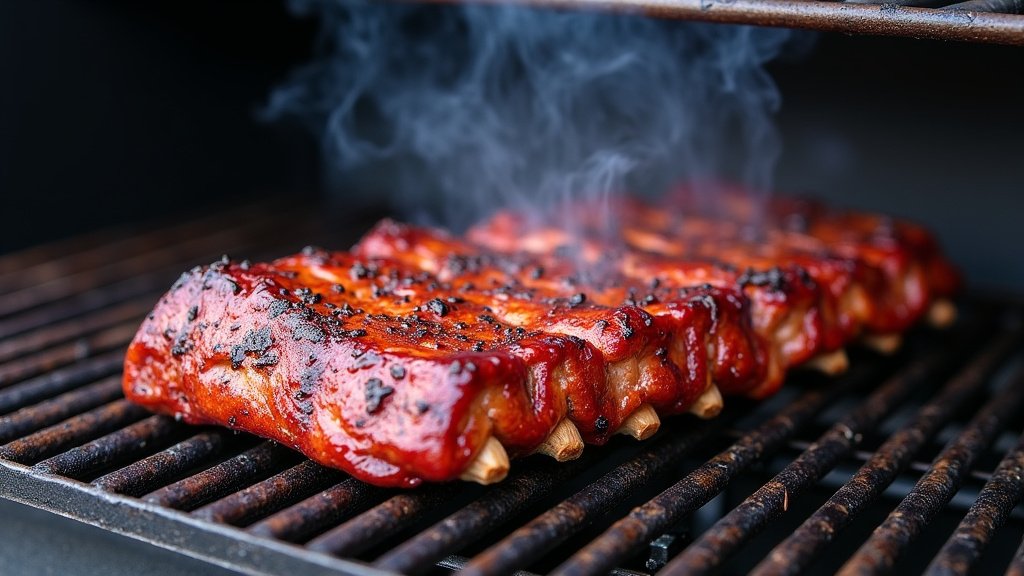
Beyond just temperature, there’s the “bend test” or “wrap test.” When your ribs are getting close, try to pick them up with tongs. If they bend easily, and the meat cracks slightly on the top, they’re likely ready. The meat should also pull back from the bones. This is a visual cue that the collagen has rendered beautifully.
Factors That Influence Cooking Time
Keep in mind that these temperature ranges are guidelines. Several factors can affect how long your ribs will take:
- Smoker Type: Different smokers (pellet, offset, kettle) perform differently.
- Rib Thickness: Thicker ribs take longer to cook.
- Ambient Weather: Wind and cold can lower your smoker’s temperature.
- Meat Thickness: A slab of meaty ribs will take longer than a thin one.
- Wrapping: Wrapping ribs speeds up the cooking process.
It’s always better to cook to tenderness rather than strictly by time. Trust your thermometer and the bend test. This is how you’ll achieve consistently great results.
Putting It All Together: Your Rib Smoking Checklist
Ready to put this knowledge to use? Here’s a quick checklist to help you nail your next rib smoke:
- Preheat your smoker to your target temperature (225°F-250°F is a great start).
- Prep your ribs with your favorite rub.
- Place ribs in the smoker, fat-side down or up depending on your smoker.
- Monitor smoker temperature regularly, making adjustments as needed.
- Check internal temperature (aim for 195°F-205°F).
- Perform the bend test for tenderness.
By focusing on the right temperature and paying attention to your ribs, you’re well on your way to BBQ success. Enjoy the process, and more importantly, enjoy those delicious ribs!
Conclusion
You’ve learned that the sweet spot for smoking ribs is typically between 225°F and 250°F. This low and slow approach is your best bet for breaking down tough connective tissues, resulting in incredibly tender and juicy ribs. While a slightly hotter temperature like 275°F can speed things up, it requires more attention to prevent drying. Always remember to trust your thermometer and the bend test over strict timing. Now, go fire up that smoker and enjoy the delicious results of your perfectly cooked ribs!
Frequently Asked Questions
What’s the absolute lowest temperature I can smoke ribs at?
You can smoke ribs at temperatures slightly lower than 225°F, but it’s generally not recommended for optimal results. Temperatures below 200°F can significantly extend cooking time without much added benefit. You might also risk undercooking the meat, preventing proper collagen breakdown and resulting in less tender ribs.
How do I know if my ribs are done if I’m not just relying on temperature?
Besides hitting an internal temperature of 195°F to 205°F, look for visual cues. The meat should start to pull back from the ends of the bones. A great test is the “bend test”: carefully pick up the slab with tongs; if the meat cracks slightly across the top when bent, they are likely ready to come off.
Will a water pan really help keep ribs moist at higher temps?
Yes, a water pan is a fantastic tool for maintaining moisture in your smoker, especially when cooking at higher temperatures like 275°F. The evaporating water adds humidity to the cooking environment. This helps prevent the rib surface from drying out too quickly and can contribute to a juicier final product.
How often should I check my smoker’s temperature when smoking ribs?
You should check your smoker’s temperature frequently, especially in the first few hours and as your ribs get closer to being done. Aim to check it at least every 30-60 minutes. Try not to open the lid too often, as this releases heat and prolongs the cooking time significantly. A reliable leave-in thermometer for your smoker helps greatly.
Is it okay to wrap my ribs earlier if I’m worried about them drying out?
Absolutely! Wrapping your ribs in butcher paper or foil, often called the “Texas Crutch,” is a common technique to speed up the cook and retain moisture. If you notice your ribs are drying out or reaching the “stall” (where the internal temperature plateaus), wrapping them earlier can be a great solution to ensure tenderness.
