What Temp Is Medium High On Gas Grill?
On a gas grill, medium-high temperature typically ranges from 400°F to 450°F (204°C to 232°C).
Achieving this heat helps you get a beautiful sear while still cooking food through without burning it.
- For medium-high, aim your gas grill between 400°F and 450°F.
- Always preheat your grill for 10-15 minutes to reach stable temperatures.
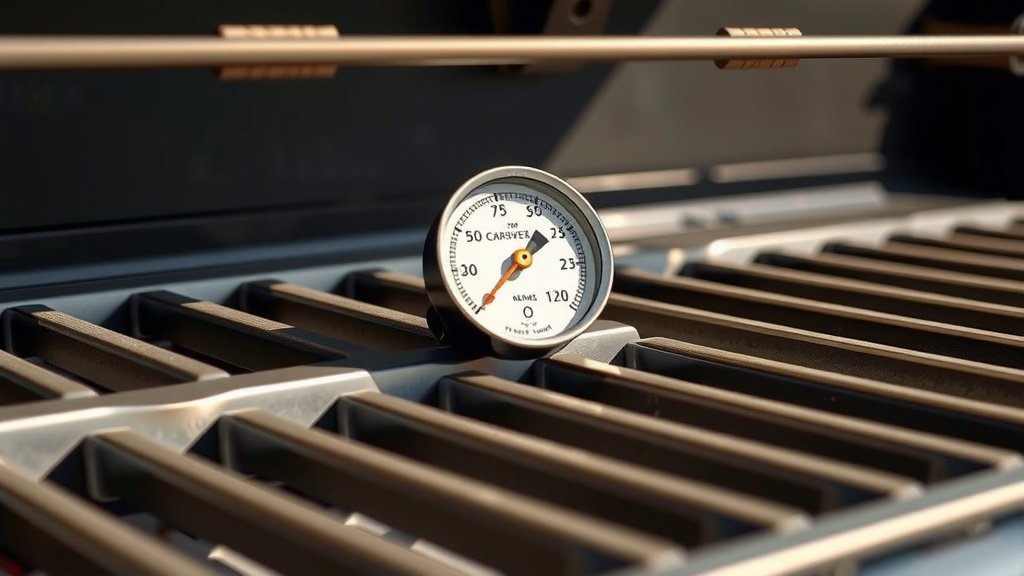
- Using a reliable thermometer, either built-in or external, is key for accuracy.
- Different foods, like thicker steaks or chicken, truly benefit from this heat range.
- Understanding your grill’s hot and cool spots will make you a grilling pro.
What Temp Is Medium High On Gas Grill?
Medium-high on your gas grill usually means the internal grill temperature is sitting steadily between 400°F and 450°F (204°C to 232°C). This range is perfect for many popular grill items.
Why “Medium-High” Matters So Much
Why do grill masters always talk about specific temperatures? Because it’s all about control. Medium-high heat gives you the best of both worlds: intense enough for a good sear but not so hot that you char your meal before it cooks through. Think of it as your sweet spot for juicy results (USDA).
Calibrating Your Grill’s Thermometer
Do you trust your grill’s built-in thermometer? You might be surprised. Many experts recommend checking its accuracy. You can use a simple ice bath or boiling water test to see if it’s giving you the right numbers.
Grill Zone Differences: Hot Spots and Cool Zones
Every grill, even a gas one, has its quirks. You’ll notice some areas get hotter than others. We found that most gas grills have areas that run 25-50°F hotter than the average reading. Learning your grill’s unique hot spots helps you manage cooking times perfectly.
Gas Grill Anatomy for Heat Control
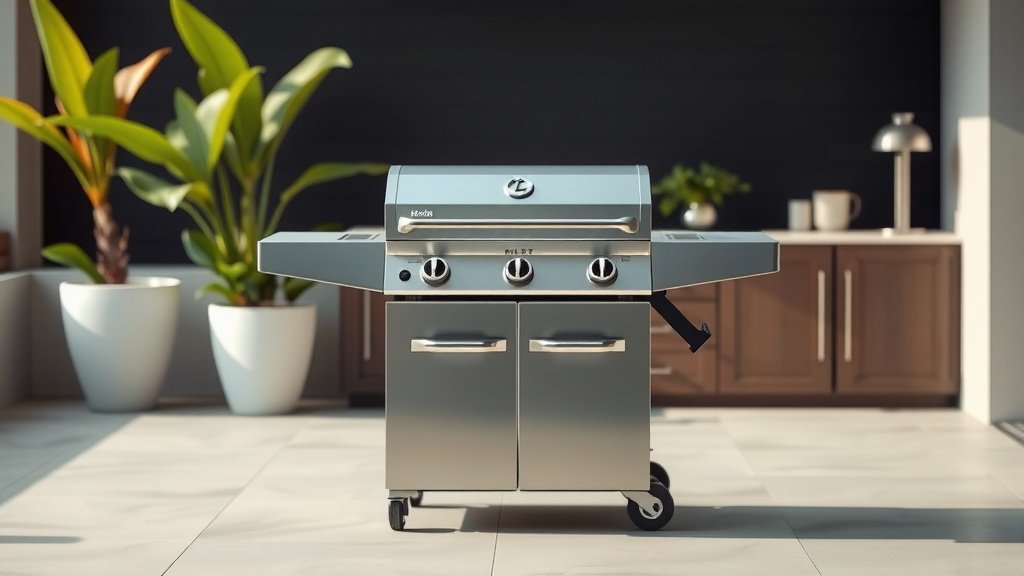
Your grill’s burners, grates, and lid all work together. Understanding how they interact helps you maintain consistent medium-high heat. Keep the lid closed as much as possible to trap heat and ensure even cooking.
Direct vs. Indirect Heat for Medium-High Cooking
When cooking at medium-high, you’re mostly using direct heat. This means food is right over the flame. But sometimes, especially for thicker cuts, you might start with a sear over direct heat and then move it to an indirect zone to finish gently. This technique prevents burning while ensuring the inside cooks evenly.
Here’s a quick overview of typical grill temperature zones:
| Temperature Zone | Typical Range (°F) | Best Uses |
|---|---|---|
| Low Heat | 225-275°F | Smoking, slow cooking, delicate items |
| Medium Heat | 325-375°F | Poultry, fish, thicker vegetables |
| Medium-High Heat | 400-450°F | Steaks, chops, burgers, searing |
| High Heat | 475-550°F+ | Quick searing, thin cuts, charring |
Foods Best Suited for Medium-High
What treasures shine on a medium-high grill? Think about your favorite cookout stars! This heat is ideal for:
- Steaks (ribeye, strip, sirloin)
- Pork chops
- Hamburgers
- Sausages
- Chicken breasts (boneless)
- Many vegetables like corn on the cob or bell peppers
It creates that beautiful, restaurant-quality crust you crave.
Mastering Temperature Control Like a Pro
Getting your grill to medium-high isn’t just about setting the knob. It involves preheating, adjusting burners, and monitoring. We’ve found that preheating for at least 10-15 minutes with the lid closed is essential for stable, even heat. Don’t rush this step!
Checking for Hot Spots with Bread
Want a simple trick to find your grill’s hot spots? Lay slices of white bread across your grates after preheating. The areas that toast fastest are your hot spots. This visual guide is incredibly helpful for positioning food (Weber Grilling Guide).
The Hand Test Method (Use with Caution!)
Before advanced thermometers, grillers used the hand test. Hold your hand about 5 inches above the grates. For medium-high, you should only be able to hold it there for 2-4 seconds before needing to pull it away. This is a rough guide, of course.
Using an Infrared Thermometer for Precision
For true accuracy, an infrared thermometer is your best friend. Point it directly at the grates to get an instant surface temperature reading. This tool takes the guesswork out of hitting that 400-450°F sweet spot.
Grill Cleaning and Maintenance Impact
Did you know a clean grill cooks better? Accumulated grease and food particles can cause uneven heating and flare-ups. Regular cleaning of your grates and burners helps ensure your grill performs optimally, making it easier to hit that medium-high target consistently.
Common Mistakes to Avoid at Medium-High Heat
We all make mistakes, especially on the grill! Here are a few to avoid when aiming for medium-high:
- Not preheating long enough: Leads to uneven cooking and sticking.
- Overcrowding the grill: Drops the temperature and steams food instead of searing.
- Flipping too often: Prevents a good crust from forming. Let the food cook!
- Ignoring your meat thermometer: Always check internal temperatures for safety (FDA).
- Forgetting to clean: Causes inconsistent heat and potential flare-ups.
Conclusion
Mastering medium-high heat on your gas grill unlocks a world of delicious possibilities. By aiming for 400-450°F, understanding your grill’s zones, and using the right tools, you’ll consistently achieve perfectly seared and cooked meals. Practice makes perfect, and soon you’ll be grilling like a true pitmaster, creating memorable dishes for everyone to enjoy.
How do I know my gas grill is at 400°F?
The most accurate way to know if your gas grill is at 400°F is by using a reliable grill thermometer, either a quality built-in thermometer (if calibrated) or an external probe thermometer placed near your food. An infrared thermometer can also measure the grate surface temperature directly.
Is 425°F considered medium-high or high heat?
A temperature of 425°F falls squarely within the medium-high heat range on a gas grill. High heat typically starts around 475°F and goes upwards. So, 425°F is perfect for achieving a good sear without excessive charring.
Can I grill chicken breasts at medium-high heat?
Yes, boneless, skinless chicken breasts grill very well at medium-high heat (400-450°F). This temperature helps them cook through quickly while developing a nice exterior. Always use a meat thermometer to ensure chicken reaches a safe internal temperature of 165°F (USDA).
What should I do if my grill gets too hot when aiming for medium-high?
If your grill gets too hot, try turning down one or more of the burners, especially the ones directly under your food. You can also open the lid for a minute or two to release some excess heat, though this will extend your preheating time slightly.
Why is preheating important for medium-high grilling?
Preheating is crucial because it allows the grill grates to absorb enough heat to create a proper sear, preventing food from sticking. It also helps stabilize the internal air temperature of the grill, ensuring more consistent and even cooking from start to finish.