
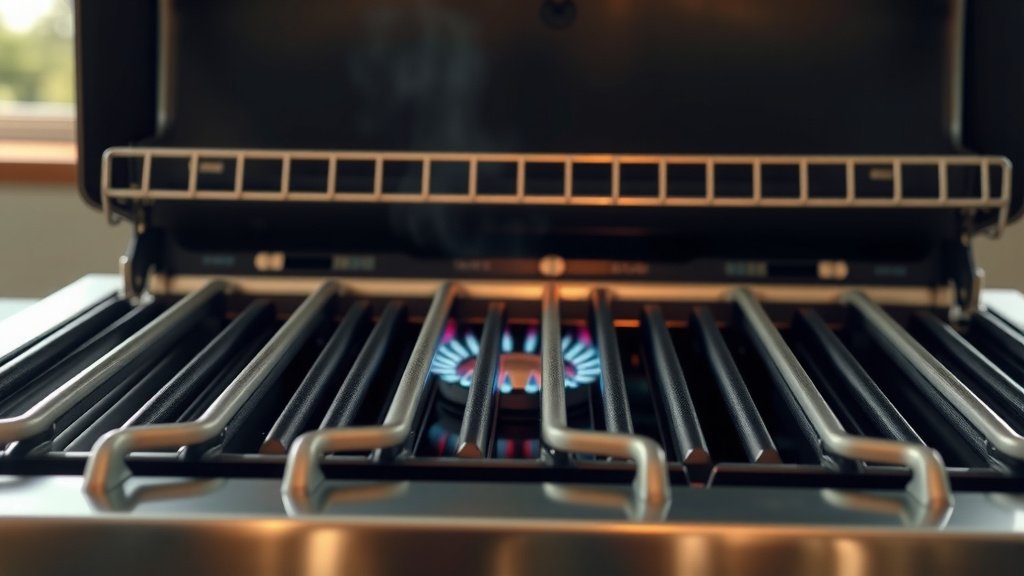
A medium high temperature on a gas grill typically falls within the range of 375°F to 450°F (190°C to 232°C).
This setting offers a powerful, consistent heat ideal for cooking many common foods without burning them too quickly.
- The medium high temperature setting on your gas grill is generally between 375°F and 450°F.
- You achieve this temperature by adjusting your burners, often to a setting just below full high.
- This heat level is perfect for searing, roasting, and getting a nice crisp on your food.
- It’s a versatile zone for cooking items like chicken, thicker fish fillets, and many vegetables.
- Always use a good grill thermometer to confirm your actual cooking temperature accurately.
What Is Medium High Temperature On A Gas Grill?
Medium high temperature on a gas grill is the heat sweet spot, usually between 375°F and 450°F (190°C to 232°C).
It’s hotter than medium but not as intense as high, giving you great cooking control for many dishes.
Understanding the Grill Temperature Spectrum
Think of your grill like an oven with different zones. High heat is for searing steaks fast. Medium heat is for slower, gentle cooking.
Medium high sits right in the middle, offering a balance of speed and thoroughness. It’s a very useful setting.
Why Medium High is the Go-To Zone
This temperature is popular because it cooks food quickly without drying it out. You can get a lovely crust without charring the inside.
It’s perfect for dishes that need a good sear but also require a bit more cooking time to finish through.
How Do You Set Your Gas Grill to Medium High?
Setting your grill involves a little art and science. Most grills don’t have exact temperature dials. You’ll use your burner knobs.
Start by turning all burners to high, then let the grill preheat. After that, adjust them down to find that ideal medium high zone.
The Burner Knob Dance
Many grillers find that setting burners to about three-quarters to two-thirds of the way to ‘high’ works well. It depends on your specific grill.
Some grills run hotter or cooler, so always test first to learn your grill’s quirks. You’ll get to know it quickly.
Don’t Forget to Preheat!
Preheating is super important. Always let your grill reach the desired temperature before you put any food on it.
This ensures even cooking and prevents food from sticking. Aim for at least 10-15 minutes of preheating time.
The Essential Tool: A Reliable Thermometer
You can guess temperatures by hand, but why risk it? An accurate grill thermometer is your best friend for precision cooking.
Many grills have built-in lid thermometers, but these can be inaccurate (Weber Grills research often shows this).
Why an External Thermometer Matters
A good external thermometer, like a probe thermometer, gives you the most accurate reading right at the grates.
This helps you avoid undercooking or overcooking. It’s a small investment for big grilling success.
What Foods Thrive at Medium High Temperature?
The beauty of medium high heat is its versatility. Many popular barbecue items cook perfectly in this range.
You’ll often find yourself using this setting for your everyday grilling needs. It’s a true workhorse temperature.
Chicken Pieces and Thighs
Chicken, especially bone-in pieces, loves medium high. It allows the skin to crisp up beautifully without burning the meat inside.
You get that desirable golden-brown finish and juicy, tender chicken every time (USDA guidelines recommend 165°F internal temperature).
Burgers and Sausages
For juicy burgers with a great sear, medium high is perfect. It cooks them through while creating a fantastic crust.
Sausages also cook well, getting that nice snap to the casing. Always use a meat thermometer for doneness.
Thicker Fish Fillets
Salmon, swordfish, and other robust fish fillets handle medium high heat wonderfully. It gives them a good sear and cooks them evenly.
Delicate fish might need lower heat, but for many, this temperature works great for a flaky, flavorful result.
Grilling Vegetables
Asparagus, bell peppers, zucchini, and corn on the cob all taste amazing when grilled at medium high. They get tender with a slight char.
The heat helps caramelize their natural sugars, adding a delicious smoky sweetness. Don’t overcrowd the grill.
Medium High vs. Other Grill Temperatures: A Quick Look
Each temperature zone has its purpose. Knowing when to use each helps you become a grilling master.
Here’s a simple guide to compare the main settings on your gas grill:
| Temperature Setting | Approximate Range (°F) | Best For |
|---|---|---|
| Low | 250°F – 300°F | Slow cooking, smoking, delicate fish |
| Medium | 300°F – 375°F | Most poultry, pork chops, indirect cooking |
| Medium High | 375°F – 450°F | Burgers, sausages, chicken pieces, thicker fish, veggies |
| High | 450°F – 600°F+ | Searing steaks, thin cuts, flash grilling |
Top Tips for Mastering Medium High Grilling
Even with the right temperature, a few extra steps can elevate your grilling game. These tips will help you succeed.
Clean Grates are Happy Grates
Always start with clean grates. Food sticks less, and you get better sear marks. It also prevents old food bits from burning.
A good wire brush after preheating works wonders. It’s a simple but vital step.
Don’t Fear the Zones!
Use direct and indirect heat. For foods needing a sear then slower cooking, start them over direct medium high heat. Then move them to a cooler, indirect zone.
This technique prevents burning and ensures even cooking, especially for thicker cuts of meat.
Keep the Lid Down (Mostly)
Resist the urge to constantly open the lid. Every time you lift it, heat escapes, and your cooking temperature drops.
Only open it when you need to flip or check internal temperature. Let the grill do its job without interruption, for consistent cooking results.
Your Medium High Grilling Checklist
Before you start cooking, run through this quick checklist. It will help ensure a smooth and successful grilling session every time.
- Grill is clean and ready.
- Fuel tank has enough gas.
- Grill has preheated to 375-450°F.
- You have your reliable thermometer.
- Food is prepped and ready to go.
- Grilling tools are handy.
Conclusion
Mastering medium high temperature on your gas grill truly opens up a world of possibilities for delicious outdoor cooking. It’s a versatile and effective heat setting.
By understanding this temperature range, using a good thermometer, and following some simple tips, you’ll consistently produce perfectly grilled meals. Enjoy the process and savor the incredible flavors!
FAQs About Medium High Temperature on a Gas Grill
Is 400°F considered medium high on a gas grill?
Yes, 400°F falls perfectly within the medium high range. Many grillers aim for this temperature when cooking foods like chicken, vegetables, or burgers to get a nice sear and even cooking.
What’s the difference between medium and medium high heat?
Medium heat is generally 300°F to 375°F, suitable for slower cooking and indirect methods. Medium high, from 375°F to 450°F, provides more intense heat for quicker cooking, searing, and crisping up foods.
How do I know my grill is at medium high without a thermometer?
Without a thermometer, you can use the hand test (carefully). Hold your hand about 5 inches above the grate. If you can only hold it there for 3-4 seconds, your grill is likely in the medium high range. Always use caution with this method.
Can I grill frozen food at medium high temperature?
It’s generally not recommended to grill frozen food, especially large pieces, at medium high directly. The outside might burn before the inside thaws and cooks. Thaw food completely first for best results and food safety (USDA guidelines).
What happens if I grill delicate foods at medium high heat?
Grilling delicate foods, like thin fish fillets or tender vegetables, at medium high heat can cause them to burn quickly on the outside. They might dry out, stick to the grates, or become overly charred before they are properly cooked through. Use lower heat settings for these items.
