What Temp Is Medium On Gas Grill?
For a medium doneness on a gas grill, you are aiming for an internal meat temperature of 135°F to 140°F, primarily after resting.
The grill’s surface temperature for achieving this medium doneness often falls within a range of 350°F to 450°F, depending on the meat’s thickness and type.
- Getting a medium doneness means your meat will have a warm pink center.
- The key is using an accurate instant-read thermometer for internal temperature.
- Your grill’s overall heat setting will need to be medium to medium-high.
- Always let your meat rest after grilling; this helps reach the final target temperature.
- Different cuts and types of meat may require slight adjustments to your grill technique.
What Temp Is Medium On Gas Grill?
Achieving a perfect medium on your gas grill means hitting an internal temperature of 135°F to 140°F. This is the sweet spot for many grill masters.
This temperature range ensures your meat, like a steak, has a beautiful pink interior and juicy texture. It’s not about the grill dial reading, but what’s happening inside the food.
Why Internal Temperature Is Your Best Friend
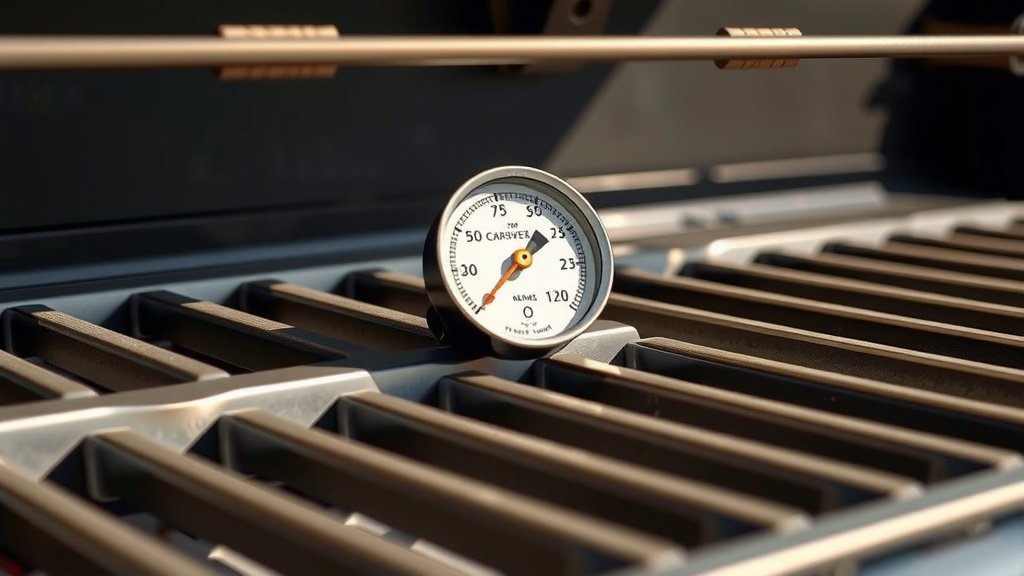
Forget guessing when grilling. Relying solely on the grill’s hood thermometer can be misleading. These often measure air temperature, not the heat on your grate.
An instant-read meat thermometer is your true guide. It tells you the precise internal temperature of your food, ensuring safety and the desired doneness every time.
Understanding Carryover Cooking
Did you know your food keeps cooking even after it leaves the grill? This is called carryover cooking.
It means your meat’s internal temperature will rise another 5-10 degrees Fahrenheit once you take it off the heat (USDA).
So, for a 140°F medium, you might pull it off the grill closer to 130-135°F. This little trick is crucial for juicy results.
Grill Surface Temperature vs. Internal Meat Temperature
The grill’s surface temperature is the heat hitting your food. For medium doneness, we often aim for a grate temperature between 350°F and 450°F.
This higher heat creates a great sear, while allowing the inside to cook to medium. Remember, this varies based on the thickness of your cut.
How to Measure Grill Surface Temperature
A simple way to check your grill’s grate temperature is with an infrared thermometer. Just point it at the grates.
Another classic method is the hand test: hold your hand about 5 inches above the grate. If you can hold it there for 4-5 seconds, it’s roughly medium heat.
Factors Influencing Medium Doneness
Many things can affect how quickly your meat cooks to medium. Thickness is a big one; thicker cuts take longer.
Starting temperature of your meat also matters. If it’s straight from the fridge, it will need more grill time.
Meat Thickness and Type
A 1-inch steak will reach medium faster than a 2-inch steak. Common sense, right? Always consider your specific cut.
Different meats, like pork chops or fish, also have slightly different ideal medium temperatures, though beef is often what comes to mind. We’ll explore those.
Setting Up Your Gas Grill for Success
Preparation makes all the difference. Preheating your grill correctly is the first step to achieving a good medium doneness.
You want a consistent, even heat across your cooking surface. This avoids hot spots that can overcook parts of your food.
Preheating Your Grill
Always preheat your gas grill. Turn all burners to high, close the lid, and let it heat for 10-15 minutes.
This burns off any old residue and ensures the grates are hot enough to create a good sear. Hot grates are key for flavor.
Creating Two-Zone Grilling
Many experts recommend setting up two heat zones. One side is hotter (direct heat) for searing, the other is cooler (indirect heat) for finishing.
For example, have two burners on medium-high and one on low, or even off. This allows you to control cooking speed much better.
Grilling Different Meats to Medium
While the internal temperature for beef medium is 135-140°F, other meats have their own guidelines. Safety is always a priority.
Many sources, like the USDA, provide clear food safety temperatures that are good to know, even if you prefer a lower doneness for beef.
| Meat Type | Doneness Level | Internal Temp (Pulled Off Grill) | Final Internal Temp (After Rest) |
|---|---|---|---|
| Beef Steaks (e.g., Ribeye, Sirloin) | Medium Rare | 125-130°F | 130-135°F |
| Beef Steaks | Medium | 130-135°F | 135-140°F |
| Beef Steaks | Medium Well | 140-145°F | 145-150°F |
| Pork Chops, Roasts | Medium | 135-140°F | 140-145°F (USDA recommended minimum for safety is 145°F) |
| Lamb Chops | Medium | 130-135°F | 135-140°F |
Remember, the “pulled off grill” temperature accounts for carryover cooking. Always verify with your meat thermometer.
Troubleshooting Common Medium Doneness Challenges
Grilling is a skill that improves with practice. Don’t worry if your first few attempts aren’t perfect.
Knowing what can go wrong helps you correct it next time. It’s all part of the grilling journey.
Meat Not Cooking Evenly
If some parts of your meat are done and others aren’t, your grill might have hot spots. Try turning your meat more frequently.
Also, use your two-zone setup. Move pieces to the cooler zone if they are cooking too fast. This allows for better temperature control.
Overcooking or Undercooking
This is where your instant-read thermometer truly shines. Without it, you are guessing.
If you’re consistently overcooking, pull the meat off a few degrees earlier next time. If undercooking, leave it on a bit longer. Learn your grill’s rhythm.
Safety First: A Quick Checklist
Grilling is fun, but always remember food safety. These tips ensure your grilled meals are delicious and safe.
The USDA provides guidelines for minimum safe cooking temperatures for various foods. Always refer to these for peace of mind.
- Wash your hands thoroughly before and after handling raw meat.
- Use a clean instant-read thermometer.
- Clean your grill grates before and after each use.
- Avoid cross-contamination: use separate platters for raw and cooked meat.
- Do not reuse marinades that raw meat was in, unless boiled.
- Ensure your propane tank is securely connected and checked for leaks.
Conclusion
Mastering medium doneness on your gas grill is within reach! It truly comes down to understanding temperatures, not just feeling it out.
An instant-read thermometer is your most valuable tool for hitting that sweet spot of 135°F to 140°F internal temperature.
Remember to factor in carryover cooking and set up your grill for success with preheating and distinct heat zones. With a little practice, you’ll be grilling perfect medium every time, enjoying wonderfully juicy and flavorful results.
What does medium look like in a steak?
A medium steak will have a warm, pink center with slight juiciness. It should not be raw in the middle, nor entirely gray. The texture will be firm but still tender when you cut into it.
How long does it take to grill a steak to medium on a gas grill?
The time varies greatly by steak thickness and grill temperature. A 1-inch thick steak might take 4-6 minutes per side on a medium-high grill (around 400-450°F). Always rely on your instant-read thermometer for accuracy.
Can I achieve medium doneness without a meat thermometer?
While experienced grillers might use the “touch test,” it’s generally much harder and less accurate without a thermometer. We found that an instant-read thermometer is the most reliable way to consistently hit your desired doneness and ensure food safety (Mayo Clinic).
Does the type of gas grill matter for achieving medium?
The type of gas grill matters less than how you use it. Any gas grill can achieve medium doneness if it can maintain a consistent temperature and you understand its heat zones. The key is temperature control and monitoring.
How do I prevent drying out meat when aiming for medium?
To prevent drying out, ensure you don’t overcook it past the target internal temperature. Also, resting the meat after grilling is crucial; this allows juices to redistribute, keeping the meat moist. Avoid cutting into it immediately after taking it off the grill.