
When cooking on a gas grill, achieving a medium doneness for most meats means reaching an internal temperature of 135-140°F.
To hit this target, your gas grill’s cooking grate temperature usually needs to be between 325-375°F, depending on the meat’s thickness and type.
- The sweet spot for medium meat doneness is an internal temperature of 135-140°F.
- Your grill’s ambient temperature should typically hover between 325-375°F for successful medium grilling.
- Always rely on a good meat thermometer; your grill’s hood thermometer is for ambient air, not internal meat temperature.
- Factors like meat thickness and outdoor weather significantly influence cooking times and required grill heat.
- Patience and accurate temperature checking are your best friends for perfectly cooked medium meat.
What Temperature Is Medium On A Gas Grill?
You’re aiming for a delicious balance, right? Not too rare, not too well-done. For most cuts of beef, lamb, and pork, the ideal internal temperature for a true medium doneness is 135-140°F.
To reach this internal target, your gas grill’s grates need to be hot enough to cook the meat through without drying it out. Many grilling experts say this means an ambient grill temperature, or cooking surface temperature, typically ranging from 325°F to 375°F.
Understanding Internal Meat Temperatures
Think of it like this: the number inside the meat is what truly matters. We all want that juicy, slightly pink center. This can only be achieved by knowing the meat’s actual internal temperature.
Ignoring internal temperatures is like driving without a speedometer – you might get there, but you might also get a ticket or run out of gas. For grilling, it means potentially overcooking or undercooking your meal.
Your Grill’s Thermometer vs. Meat Thermometer
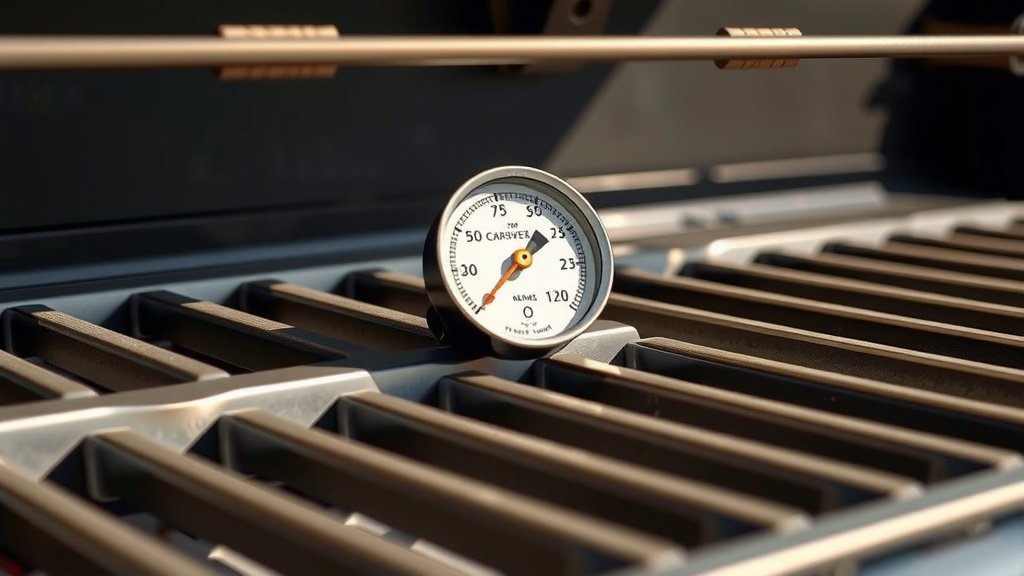
Ever notice the thermometer on your grill’s lid? That’s great for telling you the air temperature inside the grill, like the oven in your kitchen. But it doesn’t tell you how hot your steak is on the inside.
For precision, you simply must have a reliable instant-read meat thermometer. This tool is your secret weapon to poke into the thickest part of your meat and get an accurate reading, ensuring perfect doneness every time.
Setting Your Gas Grill for Medium Heat
Getting your gas grill ready for medium is straightforward. First, you’ll want to turn on all your burners to high and let the grill preheat for 10-15 minutes with the lid closed. This gets the grates screaming hot.
Once preheated, adjust your burners down to achieve that target ambient temperature of 325-375°F. You might turn some burners to medium-low or even off for indirect cooking, depending on your setup and what you’re grilling.
Factors Affecting Grill Temperature
Grilling isn’t always a perfectly controlled environment. The outside air temperature can play a big role; a cold, windy day means your grill works harder to stay hot. The type of gas grill you own also makes a difference.
Even how full your gas tank is can impact performance. We found that consistently checking your grill’s lid thermometer and adjusting burners as needed helps maintain that sweet spot for medium heat.
The Perfect Internal Temperature for Medium
Let’s talk specifics. Here’s a quick guide to internal temperatures for a true medium:
| Type of Meat | Desired Doneness | Target Internal Temp (F) | Resting Temp (F) |
|---|---|---|---|
| Beef Steaks/Roasts | Medium Rare | 130-135°F | 135-140°F |
| Beef Steaks/Roasts | Medium | 135-140°F | 140-145°F |
| Lamb Chops/Roasts | Medium | 135-140°F | 140-145°F |
| Pork Chops/Roasts | Medium | 140-145°F | 145-150°F (USDA recommends 145°F for safety) |
Remember, the “resting temp” is where it will land after you remove it from the heat due to carryover cooking. We will cover this soon.
Different Meats, Different Mediums?
While we often talk about “medium” for red meats and pork, it’s different for others. For instance, poultry like chicken and turkey should always be cooked to a safe internal temperature of 165°F (USDA).
Fish also doesn’t typically have a “medium” doneness. It’s usually cooked until it flakes easily with a fork, which is around 145°F. Always adjust your expectations and techniques based on the type of protein you are grilling.
Grilling for Medium: A Quick Guide
Ready to grill that perfect medium steak? Follow these simple steps:
- Preheat your grill to that 325-375°F range, burners on high first, then adjust.
- Prepare your meat by patting it dry and seasoning it generously.
- Sear each side over direct heat for a few minutes to get a nice crust.
- Move to indirect heat if needed to finish cooking slowly to your target internal temp.
- Check internal temperature frequently with an instant-read thermometer.
- Remove from grill 5 degrees before your target temp for carryover cooking.
- Rest the meat for 5-10 minutes before slicing.
The “Feel” Test
Some seasoned grill masters swear by the “feel” test. You can gently press the meat with your finger; a medium steak should feel firm but still have some give. Think of the fleshy part of your palm below your thumb. Press it gently – that’s roughly rare. Touch your thumb to your middle finger and press again – that’s a good approximation for medium.
However, this is more of an art than a science. Many experts say it’s a useful secondary check, but it should never replace the accuracy of a digital meat thermometer. Your thermometer is your most reliable friend here.
Rest Your Meat for Juicy Results
This step is often overlooked, but it’s critically important. When you pull your meat off the grill, it continues to cook for a few minutes due to residual heat, a process called carryover cooking.
More importantly, resting allows the juices, which have been pushed to the center by the heat, to redistribute throughout the meat. This ensures every bite is tender and full of flavor. Give smaller cuts 5-10 minutes, and larger roasts 15-20 minutes.
Common Mistakes When Grilling to Medium
Don’t worry, we all make mistakes. One common error is not properly preheating the grill. Starting on a cold grill means uneven cooking and a lack of that delicious sear.
Another pitfall is constantly opening the grill lid. Every time you lift it, you lose heat, extending cooking times and making temperature control harder. And, of course, skipping the meat thermometer means you’re just guessing.
Why Accuracy Matters for Doneness
Accuracy isn’t just about showing off your grilling skills; it’s about flavor and safety. An undercooked piece of meat can be unsafe, while an overcooked one will be dry and tough, losing all that lovely juiciness.
Achieving that perfect medium ensures you get the best texture and taste your meat has to offer. Research often connects precise temperature control with optimal culinary results and food safety standards (USDA).
Troubleshooting Your Grill’s Temperature
Is your grill running too hot or too cold, even after adjustments? It might need a little TLC. Check your propane tank levels if you use gas. Also, ensure your grill’s burners are clean and clear of debris, as clogged ports can cause uneven heating.
Sometimes, the lid thermometer itself can be off. You can test its accuracy with a simple boiling water test: if it doesn’t read 212°F (at sea level) in boiling water, it might be time for a replacement. Always verify with your trusty meat thermometer, though.
Grill Maintenance for Consistent Temperatures
Regular cleaning is not just about hygiene; it’s about performance. Grease and food particles can block vents and burners, leading to inconsistent temperatures. We found that a quick scrape of the grates after each use, and a deeper clean every few months, keeps your grill running like a dream.
Check hoses for leaks and make sure connections are secure. A well-maintained grill is a predictable grill, making it easier for you to hit that perfect medium temperature every time you cook.
Conclusion
Hitting that perfect medium temperature on your gas grill is totally achievable, and frankly, it’s what separates good grilling from great grilling. You’ve learned that the magic number for medium internal doneness is 135-140°F, and your grill’s ambient heat should be around 325-375°F.
Remember, your meat thermometer is your best friend, and patience is key. With proper preheating, temperature control, and that all-important resting period, you’ll be serving up beautifully cooked, juicy medium meats that will impress everyone. So, fire up that grill, because you’ve got this!
What if I prefer my meat medium-rare instead of medium?
If you prefer medium-rare, you’ll aim for a slightly lower internal temperature, typically between 130-135°F. This will give you a cooler, redder center than medium. Just remove the meat from the grill a few degrees sooner and let it rest to reach the final temperature.
Does the thickness of the meat affect how I grill to medium?
Absolutely! Thicker cuts of meat take longer to cook to medium doneness, even at the same grill temperature. For thicker items, you might start with a good sear over direct heat, then move them to indirect heat to finish cooking more gently, ensuring the outside doesn’t burn before the inside reaches medium.
How do I know my gas grill’s ambient temperature is accurate?
While your grill’s built-in thermometer is a guide, it can sometimes be inaccurate. To get a more precise reading, you can purchase an oven thermometer that clips to the grill grate. This gives you a better sense of the actual cooking surface temperature where your food sits, helping you maintain that 325-375°F range more accurately.
Is it possible to achieve medium doneness on a charcoal grill?
Yes, it’s definitely possible! The principles are similar. You’d still aim for the 135-140°F internal temperature. For grate heat, you’d arrange your coals for direct and indirect zones. This allows you to sear over the hot coals and then move your meat to the cooler zone to finish cooking to medium, using your meat thermometer for accuracy.
How does humidity or altitude affect grilling to medium?
Both humidity and altitude can subtly affect your grilling. High humidity can sometimes make food cook a little slower by reducing evaporation, while higher altitudes mean water boils at a lower temperature, which can impact cooking times slightly, especially for things like braises. For grilling to medium, these effects are usually minimal but may require a few extra minutes of cooking or slight temperature adjustments to hit your target internal temperature.
