
For most home gas grills, you’ll need a standard 20-pound propane tank. This is the most common size and works for the vast majority of grilling needs. It’s easily refillable and widely available at local stores. You can grill for many hours on a single 20-pound tank.
While a 20-pound tank is standard, the size you need can depend on your grilling habits. If you grill very frequently or for large crowds, you might consider a larger tank. Think about how often you plan to use your grill and for how many people. Understanding your usage helps ensure you don’t run out of fuel mid-cook.
- The standard size for most gas grills is a 20-pound propane tank.
- This size is convenient for most backyard chefs.
- Larger tanks exist if you grill very often or for big gatherings.
- Consider your grilling frequency and the number of people you usually cook for.
Let’s dive into the different tank sizes and help you pick the perfect one for your grilling adventures. We’ll cover what makes each size right for different situations. Let’s dive into the different tank sizes and help you pick the perfect one for your grilling adventures.
Choosing the Right Propane Tank Size for Your Grill
You’ve got your grill, you’re ready to fire it up, but then you see it: that cylinder. What size propane tank is the right fit for your backyard barbecues? For most folks, the answer is simple and straightforward. Let’s break it down so you can get back to grilling.
Understanding Standard Propane Tank Sizes and Their Uses
The Ubiquitous 20-Pound Propane Tank
When you think of a propane tank for a gas grill, chances are you’re picturing the 20-pounder. This is the standard size you’ll see most often. It’s about the size of a small fire extinguisher. These tanks are also known as “5-gallon” tanks, though that’s a liquid volume measurement, not the actual tank size. They hold roughly 4.7 gallons of propane.
Why is this the go-to? They are perfectly balanced for most residential gas grills. You can grill for hours on one of these. A typical 20-pound tank can power a medium-sized grill for about 10-12 hours. This is usually enough for several weekend cookouts or a large party. You can easily find these tanks at hardware stores, gas stations, and propane retailers. Swapping an empty one for a full one is also a breeze.
Larger Propane Tank Options
While the 20-pound tank is king, other sizes are available. These are less common for standard backyard grills but have their place. You might see 30-pound and 40-pound tanks. These are taller and slimmer than the 20-pound tank. They hold more propane, meaning you can grill for longer periods between refills.
A 30-pound tank holds about 7 gallons of propane. A 40-pound tank holds about 9.4 gallons. These larger tanks are useful for people who grill very frequently or for exceptionally large gatherings. If you’re hosting a block party every other weekend or have a grill that consumes a lot of fuel, a larger tank might save you trips to the propane dealer. However, they are heavier and can be more cumbersome to handle and transport.
Factors to Consider for Your Propane Tank Needs
How Often Do You Grill?
This is a big one. If you only grill a few times a month, especially during warmer seasons, a 20-pound tank will likely serve you well. You might even have a tank last an entire grilling season. But if you’re someone who fires up the grill every week, or even multiple times a week, your propane consumption will be much higher.
Let’s say you grill for about 2 hours each time, twice a week. That’s 4 hours of grilling per week. If a 20-pound tank gives you 10-12 hours of grilling time, you’ll need to refill it every 2-3 weeks. This might be fine for you. But if you grill more, you could go through a tank in just a week or two. In that case, a larger tank might reduce the hassle of frequent refills. Research from grilling enthusiasts suggests that high-frequency users can benefit from larger tanks (National Barbecue Association).
How Many People Are You Typically Cooking For?
The size of your cookouts matters. Grilling for your immediate family of four is very different from grilling for a party of twenty. Larger grills, especially those with multiple burners and a higher BTU (British Thermal Unit) output, tend to use propane more quickly. Higher heat settings also increase consumption.
If you often cook for a crowd, your grill will likely be on for longer periods and at higher temperatures. This means more propane being burned. A 20-pound tank might run out mid-cook if you’re not careful. Many experts recommend having a backup tank ready for large events, regardless of your primary tank size. This ensures you never have to tell your guests their burgers are on hold because you ran out of fuel (Grill Master’s Guild).
The Type and Size of Your Gas Grill
Not all gas grills are created equal. A small, two-burner portable grill will use much less propane than a large, four or five-burner built-in grill. Grills with higher BTU ratings are designed to generate more heat, which naturally means they consume fuel faster. Check your grill’s manual or manufacturer’s website for its estimated propane consumption. This information can help you make a more informed decision.
For example, a smaller portable grill might get 15-20 hours from a 20-pound tank. A larger, more powerful grill might only get 8-10 hours. If your grill is a real propane guzzler, consider how that aligns with your grilling frequency. Some high-end grills are designed for continuous use and might even come with fittings for larger, stationary tanks, though these are rare for typical home setups.
Calculating Your Propane Needs: A Simple Guide
Let’s try to estimate your usage. Grab a notebook and a pen. Think about your typical grilling sessions.
Estimate Your Grill’s Burn Time
First, figure out how long your grill typically runs during a cooking session. Let’s say you usually grill for about 1.5 hours per session. Now, consider how often you grill in a month. If you grill, say, 6 times a month, that’s 1.5 hours x 6 sessions = 9 hours of grilling time per month. A 20-pound tank provides around 10-12 hours of burn time. In this scenario, one 20-pound tank would last you roughly one month. That sounds pretty manageable, doesn’t it?
When to Consider a Larger Tank or a Second Tank
What if your numbers are higher? Imagine you grill for 2 hours per session and do it 8 times a month. That’s 16 hours of grilling time. A 20-pound tank won’t quite cut it, as it only offers about 10-12 hours. You’d need to refill your tank about once a month. This might be acceptable, but it’s close. If you grill even more, or for longer periods, a larger tank might be worth the investment.
A 30-pound tank offers about 15-17 hours of burn time. If you use 16 hours per month, this tank would last you roughly a month. A 40-pound tank offers about 19-20 hours, so it would last you over a month. Alternatively, and often more practically, you can simply buy a second 20-pound tank. This way, when one is empty, you can immediately swap it out and have more propane on hand. It’s often less expensive than buying a larger, specialized tank and is much easier to transport.
Tank Safety and Handling Tips
Checking Your Tank’s Condition
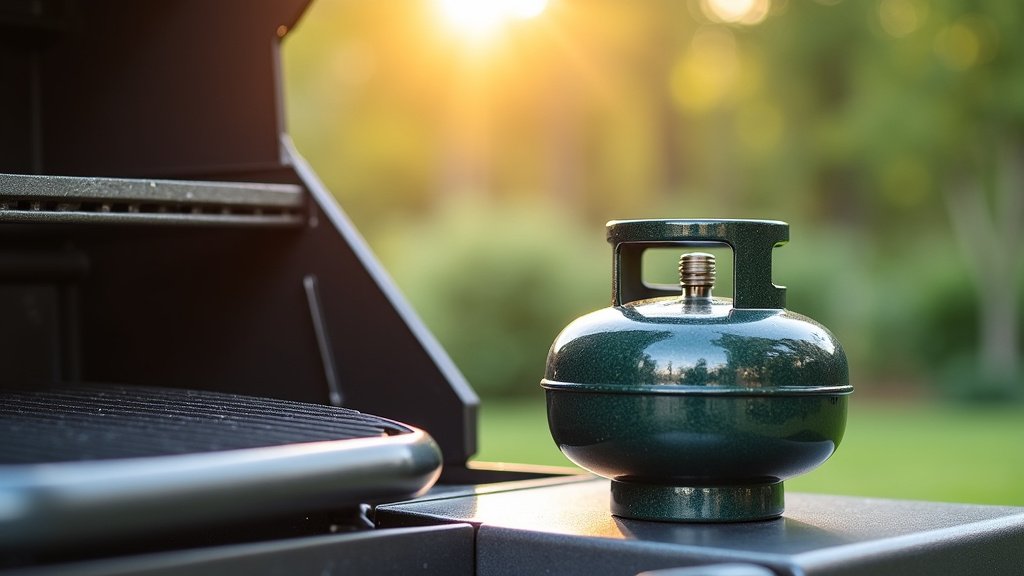
Before you fill up or swap your tank, take a quick look. Ensure there are no significant dents, rust spots, or damage to the valve. Tanks are designed to be robust, but a damaged tank can be dangerous. Most places that fill or exchange tanks will reject tanks that don’t meet safety standards.
Also, check the expiration date. Propane tanks have a lifespan, typically 10 to 12 years from the date of manufacture. You can find this date stamped on the tank collar. If your tank is expired, you’ll need to have it properly disposed of and purchase a new one. Safety first is always the best grilling motto.
Proper Storage and Transportation
Always store and transport propane tanks upright. This prevents any potential leaks. Never store them indoors, in a garage, or in your car for extended periods. Propane is flammable, and storage areas need to be well-ventilated. Keep them away from heat sources, open flames, and direct sunlight. Outdoors, in a shaded, stable location, is ideal. When transporting them in a vehicle, secure them so they can’t tip over and crack a window to ensure ventilation (Consumer Product Safety Commission).
Quick Checklist for Choosing Your Propane Tank
Here’s a quick rundown to help you decide:
- Are you a casual griller (a few times a month)? Stick with the 20-pound tank.
- Do you grill for large gatherings often? Consider a second 20-pound tank or a larger one.
- Does your grill have a high BTU rating or multiple burners? This means higher fuel use.
- How much time do you spend grilling each month? Calculate your usage.
- Always check your tank for damage and expiration dates before use.
- Store and transport tanks upright in well-ventilated areas.
Choosing the right propane tank size is about matching your needs to the fuel source. For most home cooks, the trusty 20-pound tank is the perfect fit, offering a great balance of capacity, convenience, and availability. By considering how often you grill, how many mouths you’re feeding, and the specifics of your grill, you can ensure you’re always ready for that next delicious cookout without running on empty.
Conclusion
You’ve got the grilling gear, and now you’re ready to tackle propane tank choices. For most backyard chefs, the standard 20-pound propane tank remains the champion. It offers a fantastic balance for typical weekend cookouts and family dinners. Just remember to consider your grilling frequency and the number of people you usually serve. If you find yourself running out often or cooking for huge crowds, a second 20-pound tank is often the easiest solution. Take a moment to check your tank’s condition and expiration date before your next barbecue for safe and enjoyable grilling.
Frequently Asked Questions
How long does a 20-pound propane tank last on a gas grill?
A standard 20-pound propane tank typically provides about 10-12 hours of grilling time. This can vary based on your grill’s size, burner settings, and how long you cook for each session. For most home use, this is enough for several meals.
Can I use a larger propane tank like a 30-pound or 40-pound one?
Yes, you can use larger tanks like 30-pound or 40-pound propane tanks. These offer more fuel capacity for very frequent grilling or large parties. However, they are heavier and can be more difficult to transport and handle than the standard 20-pound tank.
What does the BTU rating of my grill have to do with propane tank size?
A higher BTU rating means your grill generates more heat and will consume propane faster. If your grill has a high BTU output or multiple burners, you’ll likely go through propane more quickly. This might push you towards a larger tank or a spare 20-pound tank.
Is it better to get a larger tank or a second 20-pound tank?
For many people, getting a second 20-pound tank is more practical. You can easily swap them when one runs empty, and they are simpler to store and transport. Larger tanks are great if you have dedicated space and rarely move them, but a spare 20-pounder offers great flexibility.
How do I know if my propane tank is expired or unsafe?
Propane tanks have an expiration date stamped on their collar, usually 10-12 years from the manufacture date. Always inspect your tank for significant dents, rust, or valve damage. Most retailers will not refill or exchange tanks that are expired or appear unsafe.
