How Long Does a Propane Tank Last?
On this page (6 sections)
A propane tank usually lasts between 10 to 12 years if properly maintained, but this can vary a lot based on its size and how often you use it. You’ll want to keep an eye on its expiration date, as this is a key factor in how long a propane tank lasts safely.
You might be wondering if your small grill tank has the same lifespan as a large residential tank, right? We found that tank size and usage frequency directly impact how long your propane supply will fuel your adventures. Understanding these factors helps you plan refills and replacements.
- The average lifespan is 10-12 years.
- Tank size heavily influences how long propane lasts.
- Usage frequency determines how quickly propane gets used up.
- Always check the tank’s expiration or requalification date.
Let’s dive into all the details, so you know exactly what to expect from your propane tanks.
Understanding Your Propane Tank’s Lifespan
Your propane tank’s life isn’t just about how long the gas lasts. It’s also about the physical tank’s safety and integrity. Think of it like your car; it might have gas, but if the engine is failing, it’s not safe to drive. Propane tanks have similar safety checks and age limits.
The average lifespan of a propane tank is about 10 to 12 years. This is a general rule, though. Many factors can shorten or extend this period for your specific tank. Let’s break down what truly impacts how long your propane tank stays safe and functional.
Key Factors Influencing Tank Durability
So, what makes one tank last longer than another? It often comes down to a few core elements. We found that maintenance, exposure to the elements, and original manufacturing quality play huge roles. It’s like comparing a car that’s been garaged and serviced regularly to one left outside without care.
Tank Type and Material
Did you know not all propane tanks are created equal? Most common tanks are made from steel or aluminum. Steel tanks, especially those used for grills or RVs, are often coated to prevent rust. Larger, residential tanks are also usually steel but are built to handle greater pressure and last longer (National Fire Protection Association).
Aluminum tanks are lighter and resist rust better. However, they are less common for everyday use because they are more expensive. The material directly affects how the tank handles stress and time.
Exposure to Weather and Environment
Where you keep your tank really matters. A tank stored indoors, or even just in the shade, will likely last longer than one left out in the baking sun or pouring rain. Extreme temperatures can stress the metal. Constant dampness can lead to rust and corrosion, especially on steel tanks.
Think about coastal areas, too. The salty air can accelerate corrosion faster than in dry, inland regions. Protecting your tank from direct exposure helps a lot.
Usage Frequency and Handling
How often you use your tank also plays a part. A tank that’s frequently moved, dropped, or handled roughly will likely show wear and tear faster. Even if it’s full, physical damage can compromise its integrity. We recommend treating your tanks with care, even the small ones.
Tanks that are constantly being filled and emptied also undergo pressure changes. While they are designed for this, repeated high-pressure cycles can contribute to aging over many years. But don’t worry, this isn’t a concern for typical home use.
Understanding Propane Tank Expiration Dates
Unlike a carton of milk, propane tanks don’t have a “use by” date in the traditional sense. Instead, they have a requalification date. This is a critical safety measure. You can’t just keep using a tank forever, no matter its physical condition.
The U.S. Department of Transportation (DOT) sets rules for these dates. For smaller tanks (under 100 pounds), they typically need to be inspected and requalified every 5 to 10 years. This inspection checks for damage, rust, and overall safety. If it passes, a new date is stamped on the tank.
How to Find Your Tank’s Date Stamp
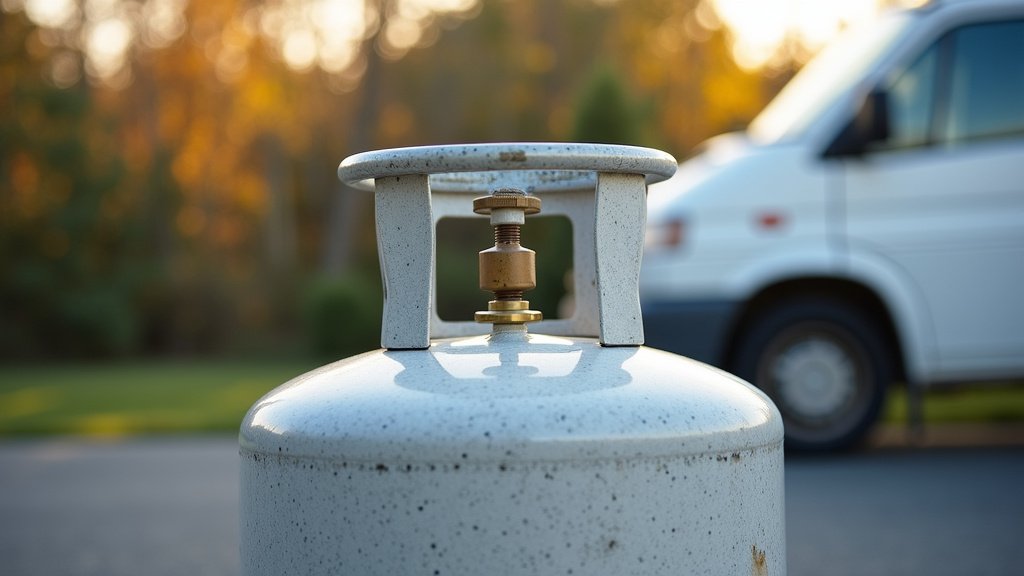
Finding this date is usually quite simple. Look near the collar or handle of your tank. You’ll often see a series of numbers and letters. It will usually look something like “MM YY” or “MM DD YY”. For example, “08 23” means August 2023.
This date is when the tank was manufactured or last requalified. For a new tank, this is its birthdate. For a tank that’s been in service, it’s the last time it passed inspection. If you can’t find it, or it’s unreadable, it’s best to assume the tank needs attention.
What Happens When a Tank ‘Expires’?
When your tank’s requalification date passes, it doesn’t mean the tank instantly becomes dangerous. It means it’s no longer certified for filling. Propane suppliers are legally prohibited from refilling an expired tank (DOT regulations).
So, you won’t be able to get it refilled. This is for everyone’s safety. The tank needs to undergo a visual inspection by a certified professional. If it passes, it gets a new stamp and can be used for another five or ten years, depending on the inspection type.
When to Replace Your Propane Tank
Knowing when to replace your tank is crucial for safety. It’s not just about the date stamp. Sometimes, a tank might need replacing even if its requalification date hasn’t passed. We often find that visible damage is a clear sign. Regular tank inspection is a good practice.
Signs of a Damaged or Unsafe Tank
Keep an eye out for these potential issues:
- Visible Rust: Especially deep, pitted rust that has eaten into the metal. Surface rust can sometimes be brushed off, but heavy rust weakens the tank.
- Dents or Bulges: Any significant physical deformation means the tank’s structural integrity might be compromised. This is a serious concern.
- Leaking: A hissing sound, the smell of rotten eggs (even if you don’t see propane), or a frosty patch can indicate a leak. Get away and call for help immediately.
- Broken or Damaged Valve: If the valve is not turning smoothly, is bent, or shows signs of wear, it’s a hazard.
- Missing or Unreadable Plate: If you can’t read the safety information or the requalification date, the tank is uncertified.
If you notice any of these signs, do not try to refill or use the tank. Safely move it to an open, well-ventilated area away from any ignition sources and contact a professional.
Requalification vs. Replacement
You have two main options for an “expired” tank: requalification or replacement. Requalification is generally cheaper if the tank is in good shape. A certified inspector will perform a thorough visual check and, sometimes, a pressure test.
If the tank passes, it gets a new sticker or stamp. If it fails due to significant damage or rust, then replacement is your only option. For those smaller grill tanks, it’s often more convenient and sometimes even cheaper just to exchange it for a new one at a retail store, rather than seeking requalification.
Here’s a quick comparison:
| Option | Details | Best For |
|---|---|---|
| Requalification | Certified visual inspection, new date stamped. | Larger, expensive tanks (100+ lb), tanks in good condition. |
| Replacement/Exchange | Trading your old tank for a new or re-certified one. | Smaller tanks (20 lb), tanks with visible damage, convenience. |
We often find that for your standard 20-pound grill tank, an exchange program is the easiest and most cost-effective path once it’s nearing its end-of-life or fails inspection.
Extending Your Propane Tank’s Life
Want to get the most out of your propane tank? A little effort can go a long way. Proper care can help your tank stay safe and operational for as long as possible. Think of these as good habits for your tank.
Maintenance Tips for Longevity
Here’s a small checklist of things you can do:
- Store Properly: Keep your tank upright on a stable surface.
- Protect from Elements: Use a tank cover or store it in a shaded, ventilated area away from direct sun and rain.
- Clean Gently: Wipe down your tank regularly to remove dirt and debris.
- Inspect Routinely: Visually check for rust, dents, or other damage a few times a year, especially before refilling.
- Handle with Care: Avoid dropping or rolling your tank. Transport it securely to prevent damage.
These simple actions can prevent many common issues that shorten a tank’s life. A little attention helps ensure your tank is always ready when you need it.
Safe Storage Practices
Safety around propane tanks cannot be overstated. Always store tanks outdoors in a well-ventilated area. Never bring a propane tank, especially a grill tank, indoors or into a garage or shed. Propane is heavier than air, so if there’s a leak, it can pool and create a dangerous situation.
Keep your tanks away from any ignition sources, like pilot lights, electrical equipment, or open flames. Store them on a non-combustible surface. You’ll want to ensure they are also away from exit routes, so if there’s an issue, access isn’t blocked. Proper storage is foundational to safety (Propane Education & Research Council).
Conclusion
Understanding your propane tank’s lifespan helps you stay safe and prepared. Remember, a typical tank lasts 10-12 years, but factors like maintenance and weather exposure can change this. Always prioritize safety by checking the requalification date and inspecting for damage.
By following simple storage and care tips, you can maximize your tank’s operational life. When in doubt, a professional requalification or a convenient exchange for smaller tanks is your safest bet. Keep your propane supply reliable and safe for all your needs.
Frequently Asked Questions
Can a propane tank explode?
Propane tanks are designed with safety features to prevent explosions. While extremely rare, explosions are typically caused by severe external fires or impacts that compromise the tank’s integrity, not by regular use or expiration. Always ensure tanks are stored and handled correctly.
Is it safe to store a propane tank in the garage?
No, it is not safe to store a propane tank inside your garage, shed, or any enclosed space. Propane is heavier than air, so a leak could cause gas to collect at floor level, creating a fire or explosion hazard. Always store tanks outdoors in a well-ventilated area.
How do I dispose of an old or expired propane tank?
Do not throw old or expired propane tanks in the trash. You can take them to a propane supplier, a certified requalification facility, or a local hazardous waste collection site. Many retailers offering tank exchanges will also accept your old tank.
What does the “OPD” valve mean on my propane tank?
OPD stands for Overfill Prevention Device. It is a safety feature on newer propane tanks that prevents overfilling. This valve automatically stops the flow of propane once the tank reaches 80% capacity, reducing the risk of dangerous pressure buildup and leaks.
Will a rusty propane tank still be refilled?
It depends on the rust. Surface rust might be acceptable, but if the rust is deep, pitted, or has damaged the tank’s metal, it will likely be deemed unsafe for refill. Propane suppliers will refuse to fill tanks that appear structurally compromised, even if the requalification date is valid.