What Size BBQ Grill Do I Need?
The right size BBQ grill for you largely depends on how many people you typically cook for and your grilling style.
To determine what size BBQ grill you need, consider the primary cooking area measured in square inches, aiming for about 70-100 square inches per person you regularly serve. If you prefer gas, see this guide to choosing a gas grill size.
Here’s a quick look at what you need to know about grill sizing:
- Your guest count is the biggest factor for grill size.
- Primary cooking area (square inches) tells you how much food fits.
- Think about what you cook, not just how many burgers.
- Consider your budget and the space where your grill will live.
- Bigger isn’t always better; efficiency matters too.
What Size BBQ Grill Do I Need?
Choosing your ideal grill size comes down to a few simple questions about your lifestyle. You want a grill that fits your needs perfectly, not one that is too small or too large.
Counting Your Guests: The Golden Rule
The first step in finding the perfect grill is thinking about your typical guest list. Are you cooking for just yourself, a small family, or big weekend gatherings?
Many grill experts suggest estimating how many people you will feed most often. This number will guide you more than anything else (National Barbecue Association).
The “Grill Grate” Measurement
When we talk about grill size, we are looking at the primary cooking area. This is the main surface where your food cooks.
You will see this number given in square inches. It helps you visualize how much food can actually fit at one time.
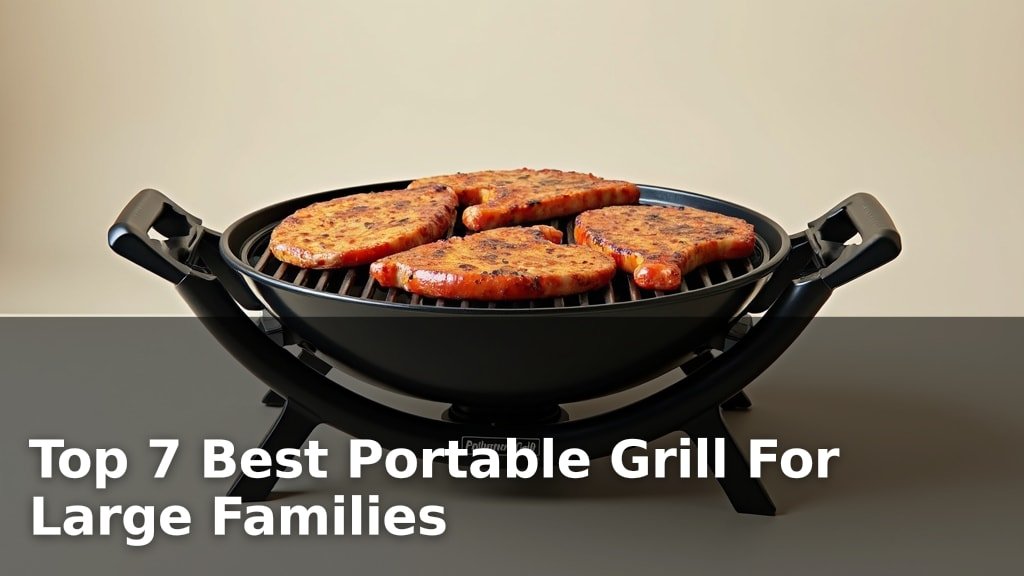
Small Grills: Perfect for Intimate Meals
If you grill for one or two people, a small grill is likely your best bet. These are efficient and do not take up much space.
You might find these in the 200-350 square inch range. They are great for a couple of steaks or a few chicken breasts.
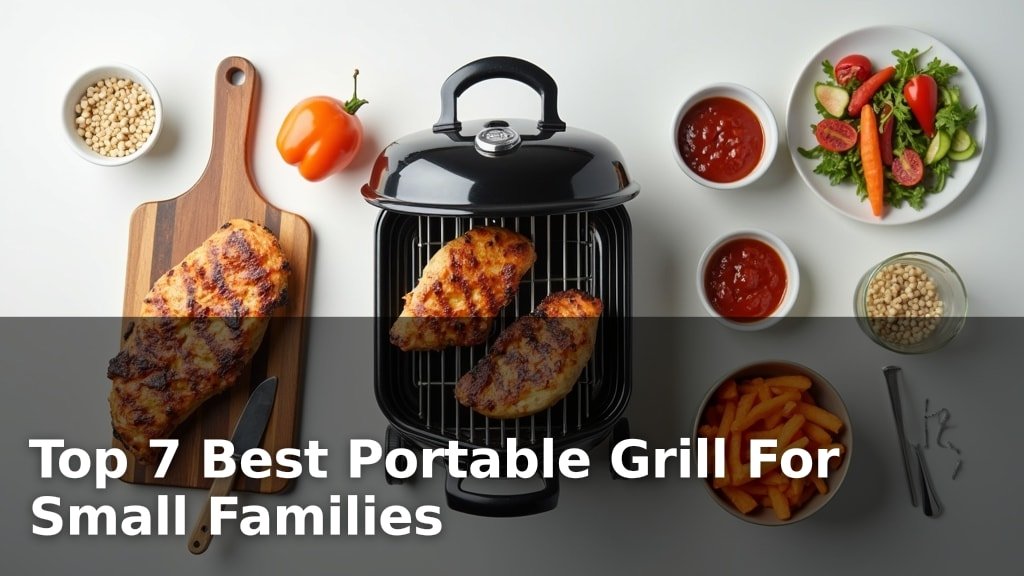
Medium Grills: The Family Favorite
For small families or occasional get-togethers, a medium-sized grill works well. It offers more versatility for varied meals.
These grills often have 350-500 square inches of primary cooking space. They can handle a mix of burgers and some vegetables easily.
Large Grills: For the Party Host
Do you frequently host backyard barbecues for larger groups? A large grill will make your life much easier.
Grills in the 500-700 square inch range are ideal for cooking for 8-10 people. You can cook full meals without juggling food around.
Extra-Large Grills: The Outdoor Kitchen Dream
If you are feeding a crowd regularly or cooking multiple dishes at once, consider an extra-large grill. For food service, learn whether you need a commercial food truck grill. These are serious cooking machines.
Anything above 700 square inches is often considered extra-large. They are perfect for big parties or elaborate outdoor cooking projects.
Considering Your Grilling Habits
Think about what you actually grill. Do you stick to simple burgers and hot dogs, or do you love to slow-smoke briskets?
Your cooking style impacts the space you will need. Smoking requires more indirect space than direct searing.
Beyond Burgers: What Else Will You Cook?
Imagine cooking a whole chicken, a rack of ribs, and some corn on the cob all at once. This needs significant surface area.
If you plan to cook different items simultaneously, you will need more room than just for quick-sear items. The space helps manage different cooking zones.
| Number of People | Recommended Primary Grilling Area | Example Items You Can Cook |
|---|---|---|
| 1-2 people | 200-350 sq. inches | 2 steaks, 4 burgers, 2 chicken breasts |
| 3-4 people | 350-500 sq. inches | 6-8 burgers, 4-6 chicken pieces, small roast |
| 5-8 people | 500-700 sq. inches | 12-16 burgers, whole chicken, full rack of ribs |
| 8+ people | 700+ sq. inches | Multiple racks of ribs, large turkey, diverse spread |
Grill Type Matters for Size
The type of grill you choose also plays a role in usable space. Gas grills offer consistent heat across the grates.
Charcoal grills might have hot spots and cooler zones. Pellet grills often cook with indirect heat, which can change how you perceive usable area. See whether pellet grills need electricity when comparing grill types.
Key Dimensions to Look At
Beyond the primary cooking surface, other measurements matter. These extra spaces add to your grilling convenience and capability.
Primary Cooking Area
This is the main grilling surface. It is where you will cook most of your food directly over the heat source.
Focus on this number first when comparing different models.
Warming Rack Area
Many grills include a warming rack above the main grates. This is perfect for keeping food warm or slow-cooking vegetables.
It adds to the overall capacity of your grill, though it is not for direct high-heat cooking.
Total Cooking Area
The total cooking area combines the primary cooking surface and the warming rack. This gives you a complete picture of available space.
While useful, remember that not all of this area is suitable for direct grilling at high temperatures.
Side Burners and Prep Space
Some grills feature side burners for sauces or sides. Others have ample side shelves for prep work.
These extras do not count towards grilling space but are vital for a smooth cooking experience.
Budget and Space Considerations
Your budget will always be a factor. Generally, larger grills come with a higher price tag.
Think about how much you are willing to spend versus the features and size you truly need.
Your Outdoor Space: Measure Twice
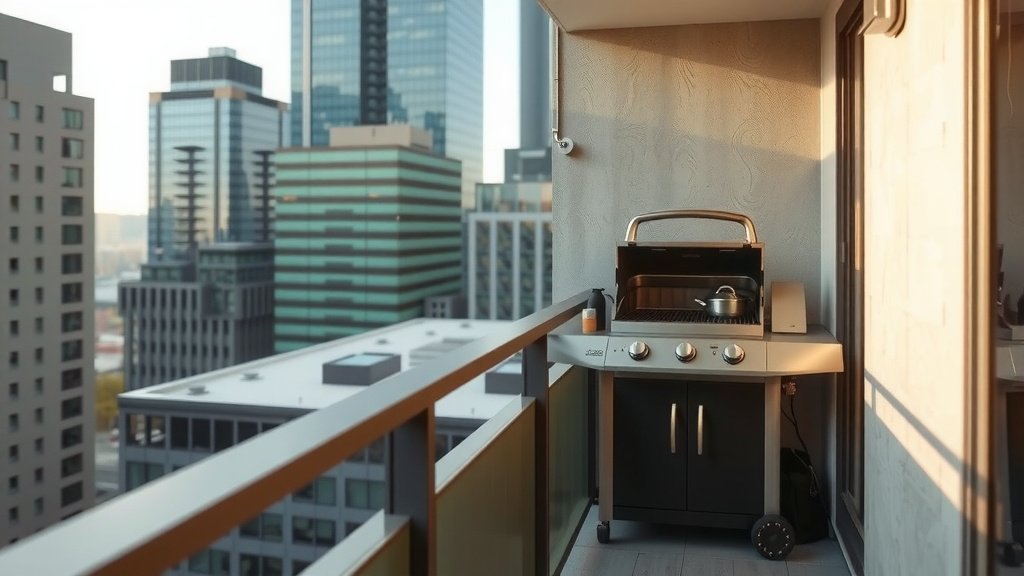
Before buying, measure the area where your grill will live. A huge grill is not practical on a small balcony.
Consider door clearances, storage, and safe distances from walls or other items (NFPA).
A Quick Checklist for Choosing Your Grill Size
Use these points to help you narrow down your choices quickly and efficiently.
- How many people do you cook for most often?
- What types of food do you plan to grill regularly?
- What is your budget for a new grill?
- How much available space do you have on your patio or deck?
- Do you need extra features like side burners or warming racks?
- How important is fuel type (gas, charcoal, pellet) to your size choice?
Conclusion
Choosing the right grill size feels simpler once you break it down. Your ideal grill is the one that comfortably feeds your usual crowd and fits your cooking style.
Do not just go for the biggest or smallest; aim for the grill that genuinely matches your life. With the right size, your outdoor cooking will be more enjoyable and stress-free.
What is a good size grill for a family of 4?
For a family of 4, a medium-sized grill with 350-500 square inches of primary cooking area is usually ideal. This allows you to cook a variety of items like burgers, chicken, or even a small roast, with some extra room.
How much grill space do I need per person?
A general guideline is to allow about 70-100 square inches of primary grilling space per person. This provides enough room for individual portions and a bit of flexibility for different food types.
Should I consider future needs when buying a grill?
Yes, thinking about future needs can be smart. If you plan to expand your entertaining or try more complex recipes, a slightly larger grill than your immediate needs might be a wise investment. However, do not overbuy for rare occasions.
Does the shape of the grill grate affect its capacity?
While the total square inches are key, a rectangular grill grate often offers more usable space for arranging food than a round one of the same advertised area. Rectangles maximize edge-to-edge cooking efficiency for most items.
Are portable grills measured differently for size?
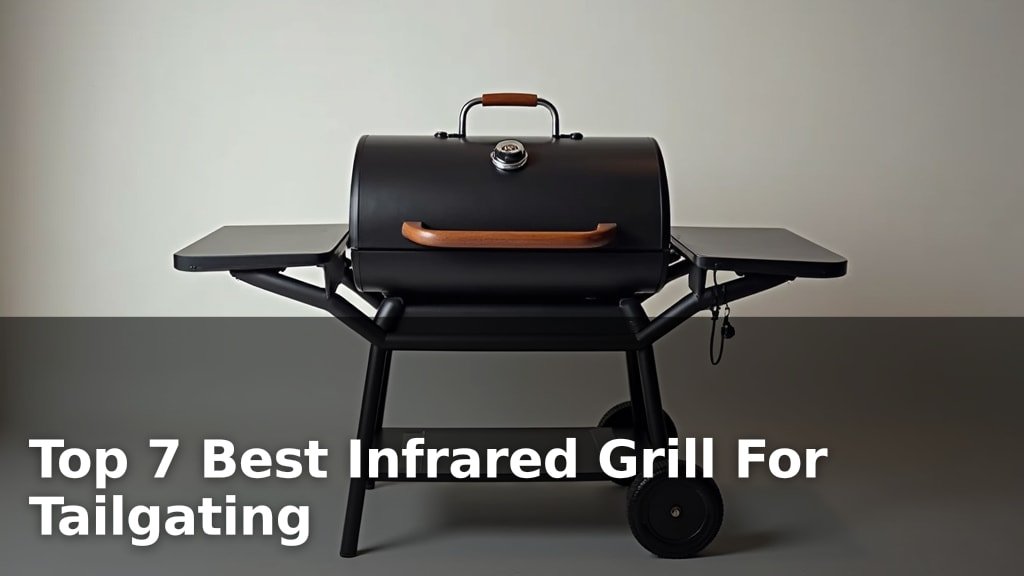
Portable grills are measured the same way, using primary cooking area in square inches. However, their total size will be much smaller, typically falling into the “small grill” category, designed for mobility and compact cooking for 1-4 people.