
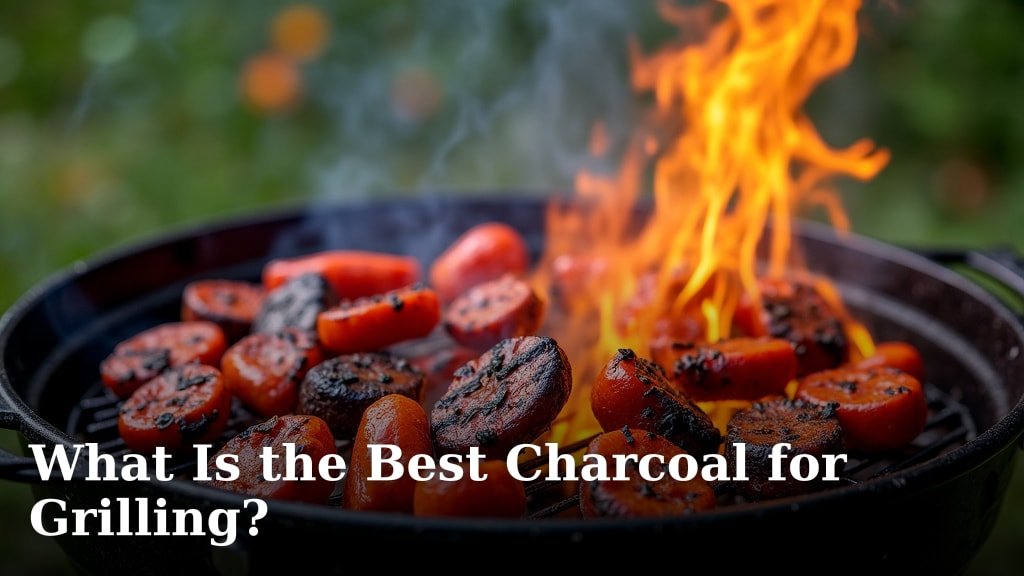
The best charcoal for grilling truly depends on what you’re cooking and your personal preference, but many grill masters agree that natural lump charcoal offers the best flavor and heat control. It’s made from pure wood and burns hotter and cleaner than briquettes. If you’re looking for a consistent, long burn, high-quality briquettes are a solid choice too.
Choosing the right charcoal can seriously upgrade your barbecue game. You want fuel that delivers great taste, consistent heat, and a clean burn, right? We found that understanding the differences between lump charcoal and briquettes is key to finding your perfect grilling partner.
- Lump charcoal burns hotter and faster.
- Briquettes offer consistent, longer-lasting heat.
- Avoid charcoals with chemical additives.
- Consider flavor profiles from different wood types.
- Your grilling style guides your best choice.
Ready to fire up the grill with confidence? Let’s dive into the details so you can pick the best charcoal for your next cookout.
Choosing the Right Charcoal for Your Grill
Picking the best charcoal for your grilling adventure really comes down to what you’re cooking and how you like to cook it. Are you searing steaks at high heat, or slowly smoking ribs for hours? Your choice of charcoal plays a big role in the outcome.
We’ve found that understanding the basic types of charcoal helps you make the most informed decision. It’s not just about getting something to burn; it’s about getting the right kind of burn for your culinary goals.
Natural Lump Charcoal: The Purist’s Choice
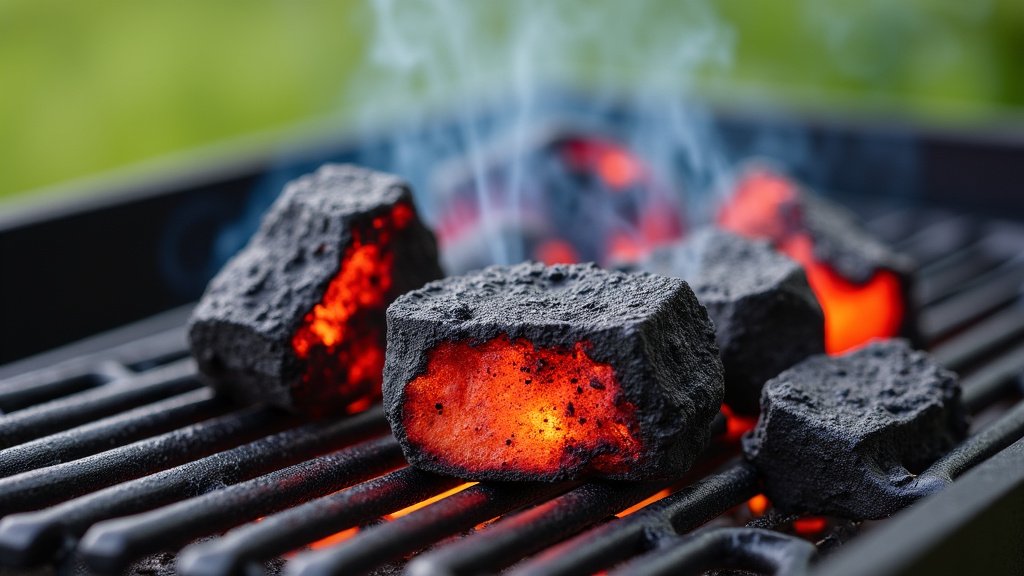
Natural lump charcoal is often seen as the gold standard by many grill enthusiasts. It’s essentially just charred wood, without any added ingredients. Think of it as wood that’s been burned in a low-oxygen environment until it becomes pure carbon.
Because it’s pure wood, it burns hot and clean. You get a fantastic smoky flavor that really enhances your food. It lights up quickly too, which is a big plus when you’re hungry!
Pros of Lump Charcoal
- No additives: You’re burning pure wood, so there are no fillers or chemicals. This means a cleaner taste for your food.
- Higher heat: Lump charcoal can reach very high temperatures, making it perfect for searing meats and getting that beautiful crust.
- Quick lighting: It catches fire easily and gets to temperature faster than briquettes.
- Responsive to airflow: You can adjust the grill vents to control the temperature quite effectively with lump charcoal.
- Natural wood flavor: Depending on the wood used, it imparts a lovely smoky flavor.
Cons of Lump Charcoal
- Inconsistent size: Lump charcoal pieces vary in size and shape. You might get some small shards and some very large chunks, which can make it tricky to arrange for even heat.
- Burns faster: While it burns hot, it also burns out quicker than briquettes. This means you might need to add more charcoal during longer cooks.
- More expensive: Generally, lump charcoal costs more per bag than briquettes.
- Ash production: It tends to produce more ash compared to some briquettes.
When you choose lump charcoal, you’re embracing a more traditional, hands-on grilling experience. It’s about working with the fire and enjoying the authentic smoky taste.
Charcoal Briquettes: Consistency You Can Count On
Charcoal briquettes are a different beast altogether. They’re made from a mix of charcoal fines (small pieces), sawdust, and other binders, pressed into uniform shapes. This consistency is their superpower.
If you’re looking for predictable heat and a longer burn, briquettes are probably your best friend. They’re like the dependable workhorse of the grilling world.
Pros of Charcoal Briquettes
- Consistent burn: Each briquette is the same size, so they burn evenly and predictably. This makes temperature control easier, especially for longer cooks.
- Longer burn time: Briquettes burn for a longer duration than lump charcoal, which is great for low-and-slow smoking or extended grilling sessions.
- Steady temperature: They maintain a more consistent temperature throughout your cook, requiring fewer adjustments.
- Readily available and affordable: You can find briquettes almost anywhere, and they’re generally less expensive.
Cons of Charcoal Briquettes
- Lower heat: Briquettes don’t typically reach the super-high temperatures that lump charcoal can, which might not be ideal for extreme searing.
- Longer to light: They take more time to light and reach cooking temperature.
- Potential additives: Some briquettes contain binders and fillers that can produce a chemical smell when first lighting. Look for “natural” or “hardwood” briquettes to avoid this.
- Less natural flavor: Because of the binders, some people feel briquettes impart less natural smoke flavor.
For everyday grilling or when you need a reliable, set-it-and-forget-it heat source, briquettes are an excellent choice. We’ve found they’re particularly good for indirect cooking methods.
Specialty Charcoals and What They Offer
Beyond the two main types, you’ll sometimes see other charcoal options on the market. These can offer unique advantages for specific grilling needs.
Hardwood Briquettes
These are a fantastic hybrid option. Hardwood briquettes are made primarily from compressed hardwood charcoal fines, often with natural binders like cornstarch. They aim to combine the consistent burn of briquettes with the cleaner, more natural flavor of lump charcoal.
- Best of both worlds: Offers good heat, consistent burn, and a cleaner flavor than standard briquettes.
- Less ash: Often produces less ash than regular briquettes.
Instant-Light Briquettes
These briquettes come pre-soaked with a lighting fluid. They are designed to light very quickly without the need for lighter fluid or a chimney starter.
- Convenience: Super easy and fast to light.
- Chemical taste: Many grillers avoid these due to the chemical smell and potential for a fuel taste in your food. We recommend using a chimney starter with regular charcoal instead.
Understanding How Charcoal Affects Flavor
Did you know the type of wood used to make lump charcoal can subtly change the flavor of your food? Just like smoking wood chips, different charcoal woods offer different notes.
For example, charcoal made from oak or hickory can provide a strong, bold smoky flavor that pairs well with beef or pork. Lighter woods like fruitwoods might offer a sweeter, more delicate smoke for poultry or fish.
With briquettes, the flavor profile is generally more neutral, especially if they contain fillers. This makes them a good canvas for adding wood chips or chunks for specific smoke flavors.
Comparing Charcoal Types: A Quick Overview
To help you visualize the differences, here’s a quick comparison of the main types we’ve discussed:
| Feature | Natural Lump Charcoal | Standard Briquettes | Hardwood Briquettes |
|---|---|---|---|
| Composition | Pure charred wood | Charcoal fines + binders | Hardwood fines + natural binders |
| Heat Output | Very High | Medium-High | High |
| Burn Time | Shorter | Longer | Longer |
| Consistency | Inconsistent pieces | Uniform blocks | Uniform blocks |
| Lighting Time | Fast | Slower | Medium |
| Flavor | Natural wood smoke | Neutral, can have chemical notes | Cleaner, mild smoke |
| Ash Produced | Moderate-High | Low-Moderate | Low |
| Cost | Higher | Lower | Medium-High |
This table gives you a general idea, but remember that brands can vary. Always check the ingredients list if you’re concerned about additives.
Factors to Consider When Making Your Choice
So, how do you decide which one is truly “best” for you? It’s about matching the charcoal to your specific grilling needs and preferences. Think about these points:
- What are you grilling? Quick-cooking steaks love the high heat of lump charcoal. Slow-cooked ribs or brisket might prefer the consistent, long burn of briquettes.
- How long will you be cooking? For short cooks, lump charcoal is fine. For anything over an hour, briquettes or hardwood briquettes might be less hassle.
- Do you want maximum flavor or maximum consistency? Lump charcoal generally wins on flavor; briquettes win on consistency.
- How much effort do you want to put in? Lump charcoal requires a bit more monitoring. Briquettes are more “set and forget.”
- What’s your budget? Briquettes are usually more budget-friendly.
We often recommend having both on hand if you grill frequently. Use lump for quick, hot cooks and briquettes for those longer, more relaxed sessions.
A Word on Additives and Healthy Grilling
When you’re choosing charcoal, always pay attention to the ingredients. Some standard briquettes contain fillers like coal dust, limestone, and even lighter fluid accelerators. While these can help with burning, they can also impart off-flavors and aren’t ideal for your health or the environment.
We strongly recommend opting for natural lump charcoal or hardwood briquettes that list only wood or natural binders as ingredients. Your food will taste better, and you’ll avoid unwanted chemicals in your smoke. Many health organizations, like the American Cancer Society, advise minimizing exposure to smoke from chemical-laden fuels.
Your Charcoal Checklist for Success
Before you fire up the grill, run through this quick checklist to ensure you’ve picked the perfect charcoal for your cook:
- Is it natural lump charcoal or briquettes?
- Does it have any unwanted chemical additives?
- Is the heat output right for what I’m cooking?
- Will it burn long enough for my recipe?
- Have I considered the flavor impact on my food?
- Do I have enough for the entire cook?
By keeping these points in mind, you’re well on your way to becoming a charcoal grilling master. Happy grilling!
Conclusion
Choosing the best charcoal boils down to your grilling style and what’s on the menu. We’ve seen that natural lump charcoal excels for high-heat searing and clean, pure flavor. For longer cooks and consistent, predictable heat, quality briquettes are your steadfast companion. Avoid chemical additives whenever possible to ensure the best taste and a healthier grilling experience.
By understanding these differences, you’re ready to select the perfect fuel. Experiment with both types to discover what truly elevates your backyard barbecues. Now, go fire up that grill with confidence!
Frequently Asked Questions
Is it okay to mix lump charcoal and briquettes?
Yes, you can absolutely mix them! Combining lump charcoal and briquettes can give you the best of both worlds: the quick, high heat of lump with the sustained burn time of briquettes. Just be aware that they will ash out at different rates.
How can I make my charcoal burn hotter?
To make your charcoal burn hotter, ensure you have excellent airflow to the coals. Open your grill’s vents fully, and avoid overcrowding the charcoal basket. Using a chimney starter to get all coals fully lit before adding them to the grill also helps achieve maximum heat.
Do different brands of charcoal make a difference?
Yes, different brands can make a significant difference. We’ve found that premium brands often use higher quality wood for lump charcoal, resulting in a cleaner burn and better flavor. For briquettes, reputable brands tend to use fewer chemical binders, leading to a more consistent and pleasant cook.
How do I light charcoal without lighter fluid?
The best way to light charcoal without lighter fluid is by using a chimney starter. Simply fill the chimney with charcoal, place some crumpled newspaper or a fire starter cube underneath, and light it. The chimney design creates a powerful draft that gets the coals roaring quickly and safely.
Can I reuse leftover charcoal from a previous grill?
You can definitely reuse leftover charcoal, especially lump charcoal. If you closed your grill vents after cooking, any unburnt pieces can be saved. Just shake off the ash and add them to your next cook with some fresh charcoal for optimal performance.
