
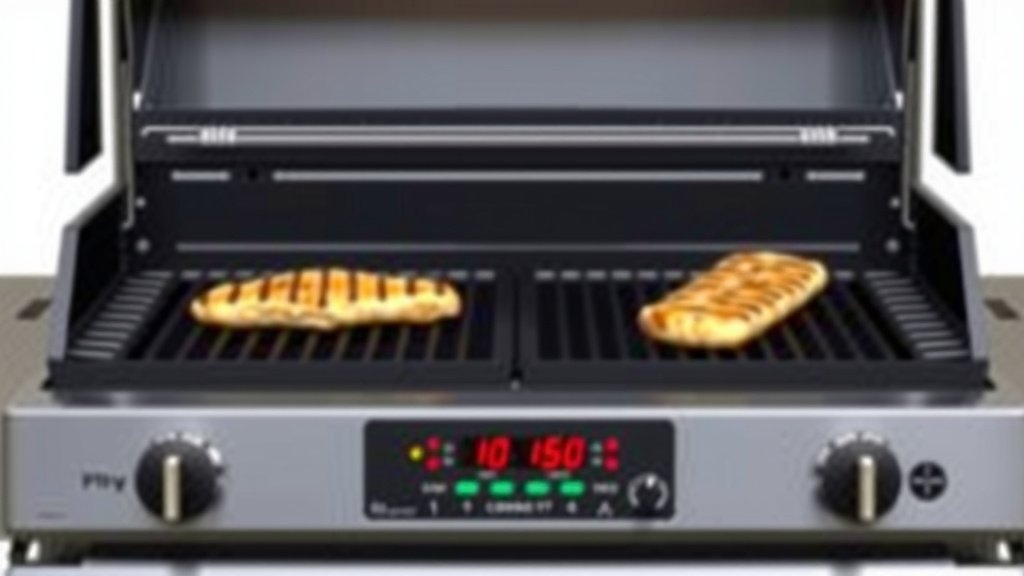
Indirect grilling on a gas grill is a cooking technique where food is placed on the side of the grill with no direct flame beneath it, allowing it to cook slowly and evenly with convection heat. Think of it like using your grill as an outdoor oven, perfect for larger or more delicate items.
This method prevents burning, reduces flare-ups, and ensures your food cooks through without getting charred on the outside, creating tender, juicy results every time.
- Indirect grilling uses circulated heat, like an oven, for gentle cooking.
- You turn off burners directly under the food while others stay on.
- This method prevents burning and flare-ups, ideal for larger cuts.
- It’s perfect for whole chickens, roasts, ribs, or delicate fish.
- You’ll achieve more tender, evenly cooked food with this technique.
What Is Indirect Grilling On A Gas Grill?
Indirect grilling on a gas grill means you cook your food away from the direct flame. It’s a method that uses circulating hot air to cook food slowly and thoroughly, much like an oven does.
Instead of direct heat, you create distinct temperature zones across your grill grates to manage how your food cooks.
Why Would You Use Indirect Grilling?
You might wonder why you would choose indirect grilling over direct heat. The main reason is control. For larger cuts of meat, like a whole chicken or a beef roast, direct heat can burn the outside before the inside is cooked.
Indirect heat provides a gentle, consistent temperature. We found that it minimizes flare-ups, which means less charring and a more evenly cooked meal (Weber Grilling Guide).
How Does Indirect Grilling Work?
It’s simpler than you might think! Imagine your grill has different rooms, each with its own temperature. To set up for indirect grilling, you essentially turn off the burners directly beneath where your food will sit.
You then light the burners on the sides, or around the food, allowing the heat to rise, circulate, and cook the food evenly.
Setting Up Your Gas Grill for Indirect Heat
Getting your grill ready for indirect cooking is straightforward. First, you’ll want to preheat your entire grill to your desired temperature, typically between 300°F and 375°F.
Once preheated, turn off the burner or burners directly under where you plan to place your food. Keep the adjacent burners on to maintain the heat.
The Science Behind Indirect Heat
The magic of indirect grilling lies in convection. When you close the lid, the hot air produced by the lit burners circulates throughout the grill chamber. This circulating heat cooks your food gently from all sides.
This method ensures a consistent internal temperature for your food, preventing hot spots and uneven cooking, we found (Food Network Kitchen).
What Foods Are Best for Indirect Grilling?
Indirect grilling truly shines with specific types of food. If you’re cooking anything that takes more than 20-25 minutes, it’s a prime candidate.
It’s especially useful for:
- Whole chickens or turkeys
- Large roasts (pork shoulder, beef roasts)
- Racks of ribs
- Thicker cuts of fish that might flake apart over direct heat
- Baking items like pizzas or bread on the grill
Comparing Direct vs. Indirect Grilling
Understanding the difference between these two methods can really improve your grilling skills. Both have their place in the grilling world, but they serve different purposes.
Here’s a quick comparison to help you decide:
| Feature | Direct Grilling | Indirect Grilling |
|---|---|---|
| Heat Source | Directly under food | Adjacent to food, circulated |
| Cooking Speed | Fast, high heat | Slow, low-medium heat |
| Best For | Steaks, burgers, hot dogs, thin veggies | Roasts, whole poultry, ribs, delicate items |
| Results | Sear, char marks, quick cook | Evenly cooked, tender, no char |
Maintaining Temperature During Indirect Grilling
Once you’ve set up your indirect zone, keeping a steady temperature is key. Always keep your grill lid closed as much as possible. Every time you lift the lid, precious heat escapes, increasing your cooking time.
Many experts say using a reliable grill thermometer, and even an internal meat thermometer, helps monitor temperatures accurately without constant peeking (AmazingRibs.com).
Common Mistakes to Avoid
Even seasoned grillers can make mistakes. The most common error in indirect grilling is opening the lid too frequently. Think of it like baking a cake – you wouldn’t keep opening the oven door, would you?
Another slip-up is not allowing enough time for your grill to properly preheat before adjusting your burners. This can lead to longer cook times and less consistent results.
Flavor Boosts for Indirect Grilling
Just because you’re cooking indirectly doesn’t mean you have to sacrifice flavor. You can still add fantastic smoky notes to your food!
Try placing a foil pouch filled with wood chips (like hickory or applewood) over one of your active burners. This will create a gentle, smoky flavor without overpowering your meal.
Checklist for Successful Indirect Grilling
To ensure your next indirect grilling session is a triumph, here’s a quick checklist:
- Preheat your grill thoroughly to the target temperature.
- Turn off the burners directly under your food.
- Place your food in the “off” zone.
- Keep the grill lid closed to maintain consistent heat.
- Use a reliable thermometer to monitor food’s internal temperature.
- Have extra fuel (propane) on hand, especially for long cooks.
Cleaning Up After Indirect Grilling
Cleanup after indirect grilling is often easier than direct grilling. Since there are fewer flare-ups, you’ll likely have less burnt-on residue.
Once your grill has cooled, simply brush the grates to remove any food particles. A quick wipe-down of the interior can also help maintain your grill’s longevity.
Conclusion
Indirect grilling on a gas grill is a versatile and incredibly useful technique for expanding your grilling repertoire. It transforms your everyday grill into a capable outdoor oven, allowing you to tackle larger cuts of meat and more delicate foods with confidence.
By understanding how to set up your heat zones and maintain consistent temperatures, you can achieve wonderfully tender, evenly cooked meals that might have seemed out of reach before. So, go ahead, give indirect grilling a try and discover a new world of delicious possibilities!
How long does it take to indirect grill a whole chicken?
Typically, a whole chicken weighing around 3-4 pounds will take about 1.5 to 2 hours to indirect grill on a gas grill at a temperature between 325-350°F. Always cook until the internal temperature reaches 165°F in the thickest part of the thigh.
Can I add smoke flavor when indirect grilling on a gas grill?
Absolutely! To add smoke flavor, you can place a foil packet filled with wood chips (soaked for about 30 minutes) directly over one of your active burners. The chips will smolder and release smoke, infusing your food with a delicious smoky taste.
What’s the ideal temperature for indirect grilling?
The ideal temperature for most indirect grilling tasks usually ranges from 300°F to 375°F. This range provides a slow, even cook without drying out the food, making it perfect for items that need longer cooking times.
Do I need a drip pan for indirect grilling?
Yes, using a drip pan is highly recommended for indirect grilling. Place it directly under the food in the “off” zone. This pan catches drippings, prevents flare-ups, and makes cleanup much easier. You can even add liquid to the pan for extra moisture and flavor.
Is indirect grilling just like baking in an oven?
While indirect grilling shares similarities with oven baking due to its reliance on circulating hot air, it’s not identical. Grilling adds a unique smoky flavor and charring potential (if finished with direct heat) that an indoor oven cannot replicate. It offers a distinct outdoor cooking experience.
