What Is Lump Charcoal Made Of?
Lump charcoal is made from wood that has been heated with very little oxygen. The process removes much of the water and volatile material, leaving carbon-rich chunks that burn as grill fuel.
On this page (9 sections)
- How is lump charcoal made from wood?
- What do charcoal labels tell buyers?
- Is lump charcoal different from charcoal briquettes?
- What should you look for in lump charcoal?
- Which lump charcoal suits long cooks?
- Can quick-light charcoal be used for grilling?
- How does a charcoal basket work with lump charcoal?
- Is lump charcoal good for a kamado grill?
- What is lump charcoal made of, in simple terms?
Lump charcoal is made from wood heated with very little oxygen, a process called carbonization. The heat removes moisture and much of the wood's volatile material, leaving lightweight, carbon-rich chunks that can burn in a grill, smoker, kamado, or charcoal cooker.
The pieces keep the shape of the original wood more closely than briquettes do. That is why a bag of lump charcoal can contain a mix of small pieces, large chunks, bark, and irregular shapes.
How is lump charcoal made from wood?
Lump charcoal starts as wood, then becomes char through controlled heating. Manufacturers heat the wood without enough oxygen for normal flames to consume it completely.
Fresh wood contains water, gases, oils, and other compounds. As the temperature rises, these materials leave the wood as vapor or gas.
The remaining structure is mostly carbon, with some mineral ash and other residual material.
The process is different from simply burning a log in open air. Open burning turns much of the wood into heat, smoke, and ash.
Controlled carbonization keeps more of the solid carbon in the finished fuel.
After cooling, the charred wood is sorted and packed. The final bag may contain pieces of different sizes because the wood breaks during processing, handling, and transport.
What does lump charcoal contain?
Lump charcoal mainly contains carbonized wood, along with small amounts of mineral ash and residual compounds. Its exact composition depends on the wood species, carbonization method, moisture level, and whether anything was added afterward.
A charcoal package may identify the wood source or use a general term such as hardwood. A named species gives you more information about the material, while a broad label tells you less about the fuel's origin.
The word “natural” also needs context. It may describe charcoal made without fillers, binders, or chemical additives, but you should still read the complete ingredient wording and use directions.
What do charcoal labels tell buyers?
Charcoal labels are most useful for checking the wood source, additives, chunk form, and intended use. They help you separate plain lump charcoal from briquettes, quick-light products, and accessories that are sold in the same category.
Look for these details:
- Wood type: This may name a hardwood species or use a broad term such as natural hardwood.
- Additives: Wording such as no chemicals, fillers, or additives indicates the brand's stated formulation.
- Form: Chunks, pieces, or lump charcoal describe irregular carbonized wood rather than uniform pressed briquettes.
- Bag size: A larger bag gives you more fuel, but chunk size and density still affect how long it lasts.
- Intended use: Some charcoal is made for cooking, while incense charcoal and other quick-light products have different instructions.
- Storage information: A resealable or moisture-resistant package can help protect charcoal between cooks.
Labels do not tell you everything about how a fuel will behave in your grill. Airflow, vent settings, weather, grill design, and the size of the pieces all affect ignition and burn time.
For a broader explanation of charcoal types, see the BBQ Fuels and Starters: The Complete Buying Guide.
Is lump charcoal different from charcoal briquettes?
Lump charcoal is irregular carbonized wood, while briquettes are usually shaped from processed charcoal material. Briquettes often have a more consistent size and shape, while lump charcoal varies from small fragments to large chunks.
For a familiar brand option, see Kingsford charcoal briquettes.
That difference changes how the fuel behaves. Uniform briquettes can form a more even layer, while lump charcoal may light quickly and create stronger hot spots if pieces are arranged unevenly.
Lump charcoal can also take up less space for the same weight because its density varies by wood type and chunk size. Small pieces may burn faster, while dense large pieces may hold heat longer.
The right choice depends on your cooking method. Compare the practical differences in lump charcoal vs briquettes for smoking.
What should you look for in lump charcoal?
Choose lump charcoal by checking its wood description, additive wording, chunk size, and fit with your cooker. A kamado user may want dense pieces that support long cooks, while a quick grilling session may be more forgiving of mixed sizes.
Large chunks can help maintain airflow and reduce the need to refuel, but they may need more space to settle into a stable fire. Smaller pieces can light quickly, but they may burn through sooner and fall into gaps in the fire grate.
Avoid judging charcoal only by the word “natural.” Check whether the package identifies plain carbonized wood, and make sure the product is intended for cooking if you plan to grill food.
Our guide to the best natural charcoal briquettes can help if you prefer a more uniform fuel shape.
Which lump charcoal suits long cooks?
Dense hardwood lump charcoal is the better fit for long cooks when you need larger pieces and steady airflow. Jealous Devil Chunx XL Lump Charcoal is made from South American quebracho blanco hardwood and is described as containing no chemicals, fillers, or additives.
The 35-pound bag contains extra-large chunks. Jealous Devil says the charcoal can reach over 1,100°F, burn for more than 4 hours in open air, and support more than 20 hours in low-oxygen smoking conditions.
Those burn times depend on airflow, fuel arrangement, cooker design, and cooking conditions. The resealable bag and carry handle are useful for storing and moving the charcoal between outdoor cooking sessions.
Can quick-light charcoal be used for grilling?
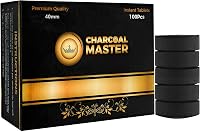
Quick-light charcoal should be used only when its instructions and formulation suit your intended purpose. CHARCOAL MASTER Coal Instant Light is a 100-count set of 40 mm quick-light charcoal tablets made from fruit tree wood.
The tablets are designed mainly for incense burning and are described as natural, odorless, and flavorless. The package also describes them as suitable for grill starter use, but their tablet form differs from standard cooking lump charcoal.
Each tablet is described as burning for up to 45 minutes. The individual rolls are sealed to help protect the charcoal from humidity during storage.
Do not treat incense charcoal as a replacement for cooking charcoal without checking the instructions. For food, use fuel clearly intended for grilling or smoking, and keep quick-light products away from food until you know they are suitable.
How does a charcoal basket work with lump charcoal?
A charcoal basket holds fuel in a defined area so air can move through the fire more evenly. Compare charcoal baskets for drum smokers for a compatible fuel area.
It does not change what lump charcoal is made of, but it can help organize charcoal inside a compatible offset smoker.
The foedo 12" Stainless Charcoal Basket for Oklahoma is made from stainless steel and measures 12 x 12 x 7.5 inches. Its rectangular design includes side handles, and the basket is intended for Oklahoma Joe offset smokers.
The basket can hold charcoal in the smoker's fuel area, or the cooking grate can sit directly over it for grilling. Measure your smoker before buying because the listed dimensions do not guarantee a fit in every firebox.
Follow the assembly direction to leave screws adjustable until the basket is aligned. Tighten them after adjustment, then let the basket cool fully before handling it.
Is lump charcoal good for a kamado grill?
Lump charcoal is commonly used in kamado grills because the cooker controls heat through restricted airflow. The important choice is a fuel size and density that match the firebox and the length of your cook.
Large chunks can support longer burns, while small pieces may fill gaps and restrict airflow if they collect near the fire grate. Remove excessive dust and arrange the pieces so air can reach the fire from below.
A kamado also benefits from careful vent control. Opening the vents widely can raise the temperature quickly, while small adjustments may take time to show on the thermometer.
See Can You Use Lump Charcoal in a Kamado Grill? for setup and fuel-selection guidance. You can also compare the best lump charcoal for kamado grills if your cooker needs dense pieces for longer sessions.
What is lump charcoal made of, in simple terms?
Lump charcoal is carbonized wood, not raw firewood and not necessarily a uniform manufactured block. The wood is heated with limited oxygen, then cooled, sorted, and packed for use as fuel.
Choose plain hardwood lump charcoal when you want irregular wood pieces and direct control over the fire. Choose briquettes when consistent shape and predictable stacking matter more, and choose a charcoal basket when your smoker needs a contained fuel area.
For a kettle grill, compare the best lump charcoal for Weber kettle grills. For a broader starting point, review Best Lump Charcoal and match the fuel to your grill, cook length, and storage space.
Frequently asked questions
What is lump charcoal made of?
Lump charcoal is made from wood heated in a low-oxygen environment. The heat removes moisture and many volatile compounds, leaving carbon-rich pieces of charred wood.
The final fuel may vary by wood type, chunk size, ash level, and any binders or additives stated on the package.
Is lump charcoal natural?
Lump charcoal can be described as natural when it contains charred wood without added binders, fillers, or chemical additives. Read the ingredient and product wording carefully because natural claims can differ.
Fire starters, quick-light treatments, and other additions may change how a charcoal product burns.
Does lump charcoal contain chemicals?
Pure lump charcoal is made from carbonized wood, but smoke and combustion gases are still produced when it burns. Some products may include additives or quick-light treatments, so check the package before cooking.
Use charcoal outdoors in a suitable grill, and follow the grill and fuel safety instructions.
What wood is used to make lump charcoal?
Lump charcoal can be made from many hardwoods, including species named on the package. The wood type affects chunk density, burn behavior, and smoke character.
Some brands identify a specific hardwood, while others use broader terms such as natural hardwood charcoal.